Best Museums in Seattle for 2026
Fourteen collections worth your umbrella, sorted by what kind of Saturday you're actually in the mood for.
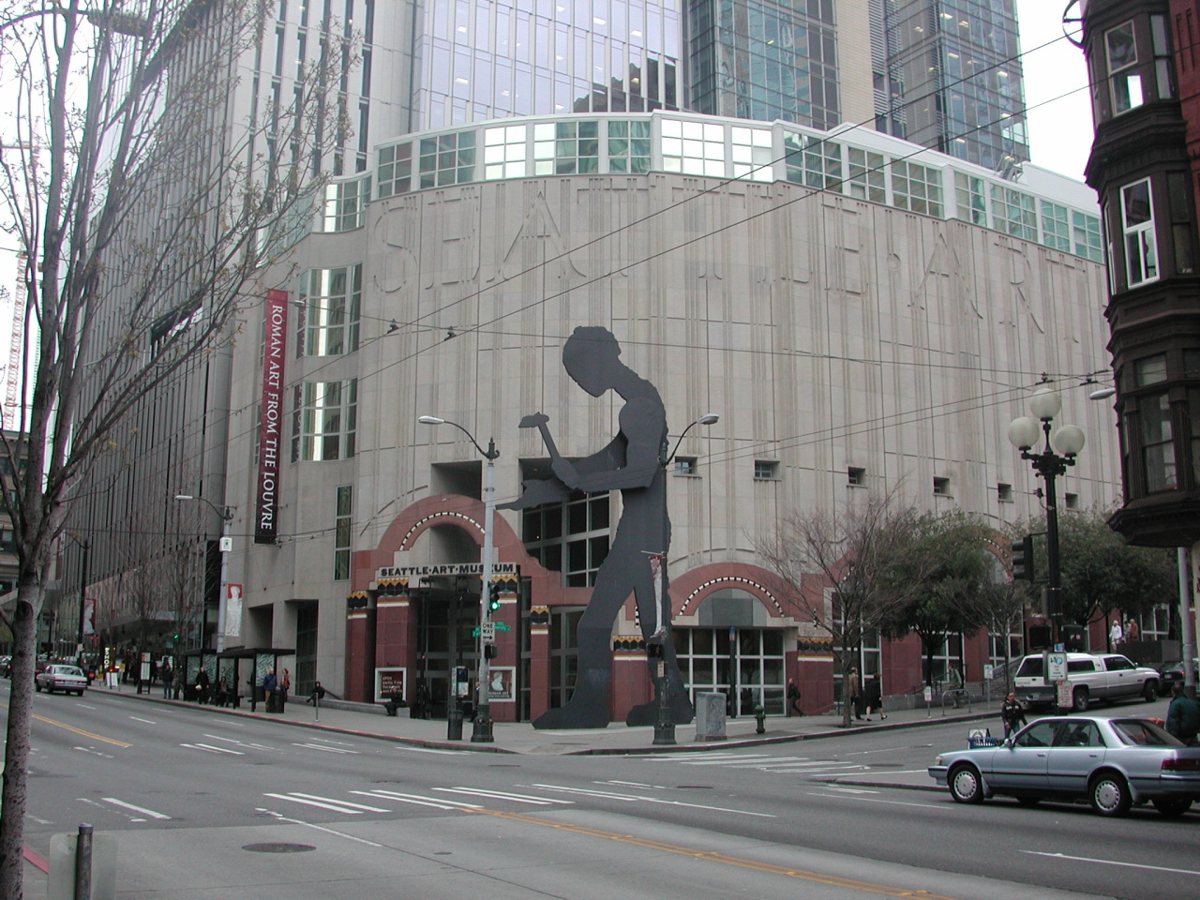

Ten minutes before closing on a Tuesday, the Olympic Sculpture Park side of the Seattle Art Museum empties out enough that you can hear your own footsteps on the gravel path, and the guard by the Calder stops pretending not to watch the ferries cross behind it. That's usually when I decide a museum trip actually worked, and it's why any honest list of the best museums in Seattle has to include a dozen different kinds of quiet, not just one marquee building downtown. Not when I've read every wall label, but when the building gives me a few minutes I wasn't expecting, with Bainbridge Island going gray-blue in the distance and nobody rushing me toward the exit. Ask ten locals for their favorite and you'll get ten different answers depending on whether they're taking their nephew, their out-of-town in-laws, or themselves on a day they needed to get out of their own head. The guide that follows tries to answer for all of them, museum by museum, neighborhood by neighborhood, without pretending any one of them is the whole story.
What follows isn't a ranked list so much as a map of a genuinely deep bench. Seattle supports a serious encyclopedic art museum, an ambitious natural history museum, and an aviation collection among the largest anywhere, plus half a dozen smaller institutions that punch well above their square footage, and it does all of this while staying stubbornly unpretentious about it. Nobody here is going to lecture you for skipping the gift shop or for spending forty-five minutes in one room and calling it a day. That's a fine way to see a museum in this city. Here's where to start, organized the way an actual Saturday tends to unfold: by neighborhood cluster, with the specific reason each one earns the trip.
The big art anchors: best museums in Seattle for a proper afternoon
Seattle Art Museum (SAM), downtown
SAM is the one to start with if you're only doing one, mostly because it refuses to specialize in any single era or region and somehow makes that a strength rather than a muddle. The downtown building on First Avenue holds African art, Northwest Coast Native art, American and European painting, and rotating major exhibitions that draw people up from Portland and down from Vancouver, B.C. The permanent collection galleries are the ones locals actually return to. The Northwest Coast material in particular is not treated as a side note the way it is in a lot of encyclopedic museums, and the curators have clearly put real thought into how it's presented alongside contemporary Indigenous artists rather than sealed off as historical artifact. Come on a weekday morning if you can, since school groups tend to arrive after lunch and the galleries thin out again by midafternoon. My insider tip: don't stop at the museum doors. Walk the nine downhill blocks to the Olympic Sculpture Park, SAM's free outdoor annex overlooking Elliott Bay, where Richard Serra's rusted steel plates and Alexander Calder's orange stabile sit against container ships and, on a clear day, the Olympic Mountains. It's downtown, an easy walk from Pike Place Market if you want to bookend the afternoon with something to eat.
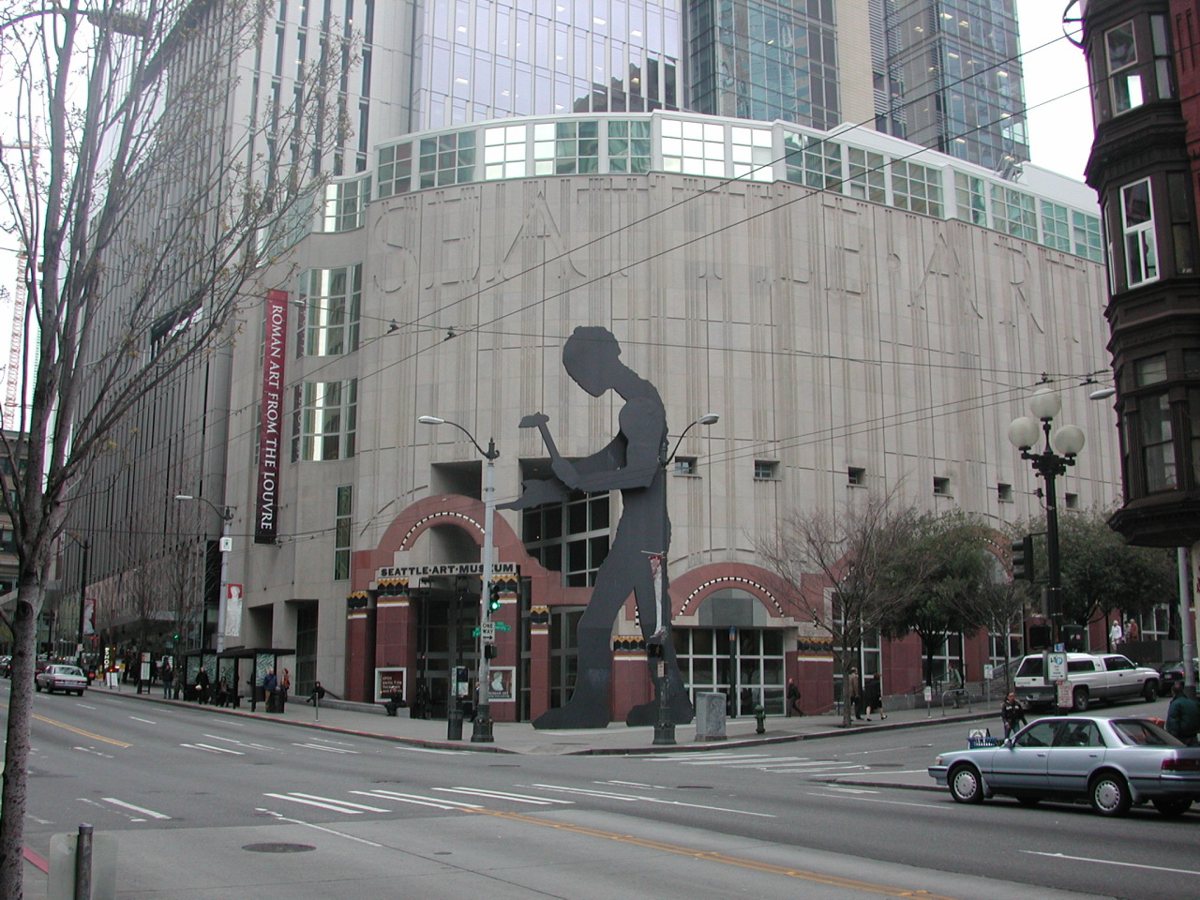
Seattle Asian Art Museum, Volunteer Park
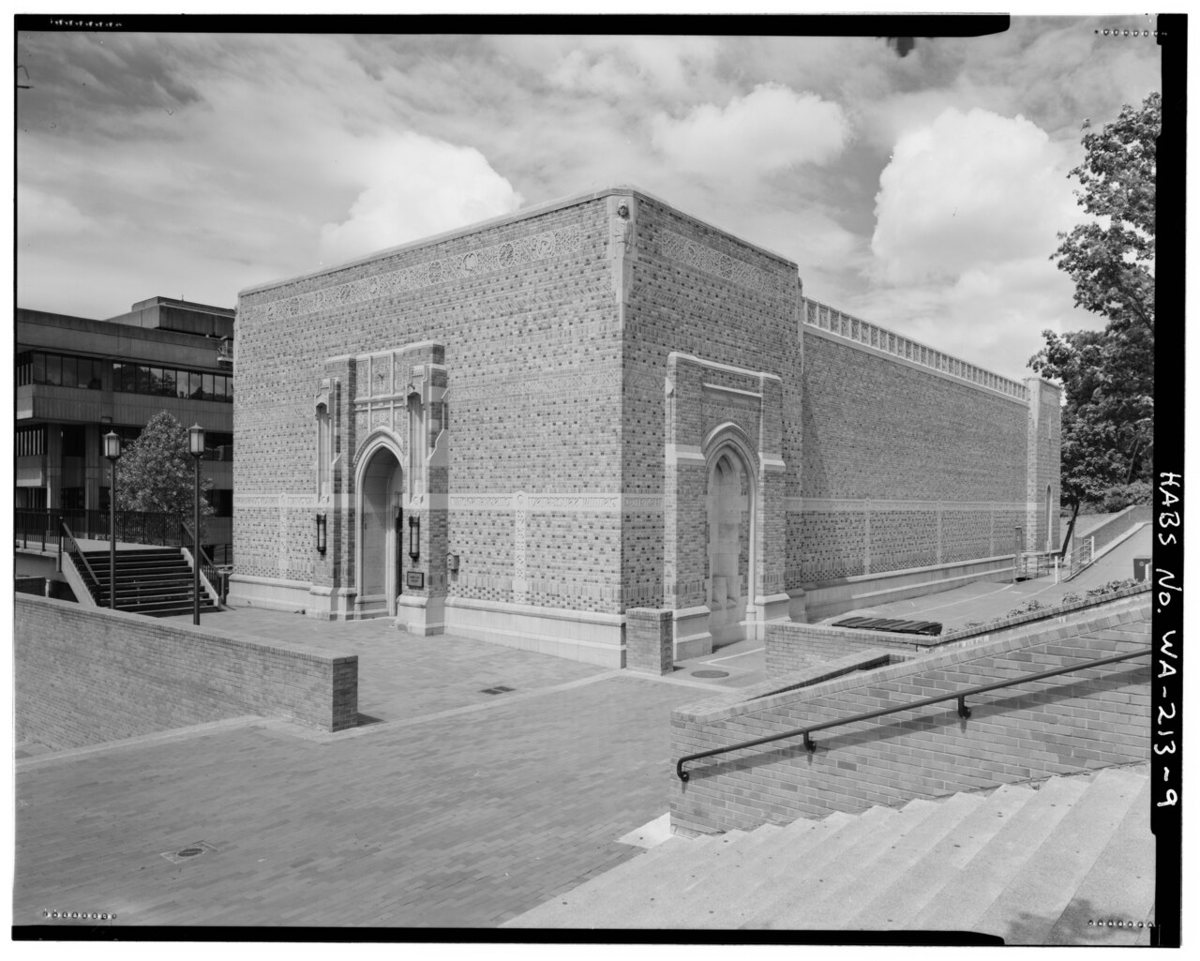
SAM's Capitol Hill sibling lives inside a 1933 Art Deco building that was Seattle's original art museum, restored a few years back with the kind of careful renovation that kept its terrazzo floors and ornamental ceilings intact while quietly adding real climate control for the collection underneath. The galleries are smaller and easier to take in without museum fatigue setting in halfway through, which makes this the one I send people to when they claim they don't usually like museums. The collection spans Chinese, Japanese, Korean, and South and Southeast Asian art across several thousand years, and the building's front lawn faces the park's reservoir and rose garden. After, walk up the old brick water tower a few hundred feet away for a full rooftop view of the skyline and the water beyond it, and it's free and almost nobody bothers. You're in Capitol Hill, the arts hub of the city, so pair it with a coffee stop or a record shop browse on your way in or out.
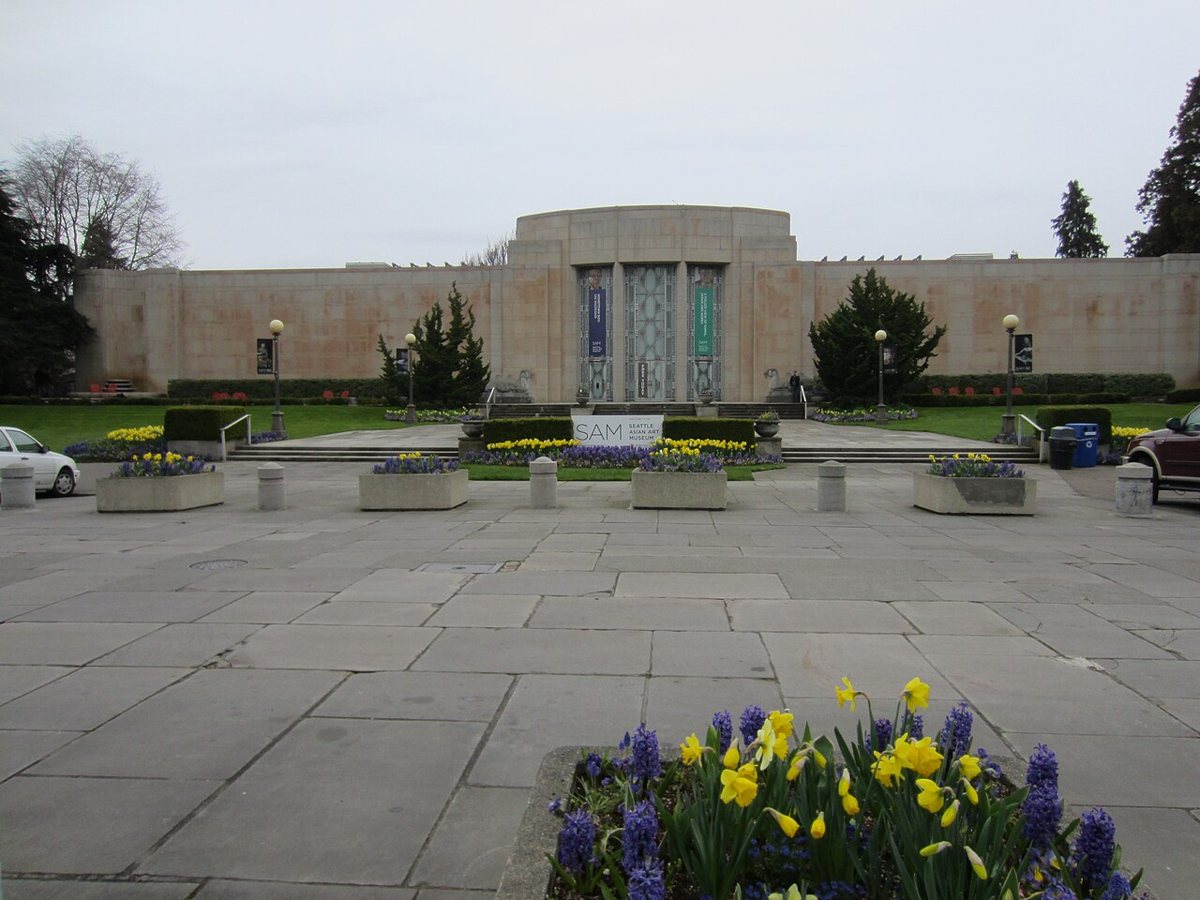

Frye Art Museum, First Hill
The Frye is the museum locals feel oddly protective of, partly because it's stayed free to enter for its entire history and partly because it does not chase trends the way a lot of contemporary institutions feel pressure to. The core collection is late 19th- and early 20th-century representational painting, heavy on German and Munich School work that founders Charles and Emma Frye collected themselves out of a personal, unfashionable devotion to it, but the temporary shows lean surprisingly contemporary and occasionally political in ways that catch people off guard. It's a small building on First Hill, easy to pair with a walk through the neighborhood's older apartment blocks and hospital-district quiet, and it rarely has a line even on a weekend. Weekdays are best if you want the main galleries close to yourself.

Henry Art Gallery, University of Washington
The Henry is the University of Washington's museum and the most consistently experimental of the bunch. It treats contemporary art, sound installation, and photography as its actual center of gravity rather than an occasional detour from a more traditional collection. James Turrell's Skyspace, a chamber with a ceiling that opens to the sky and shifts the light and color of the room at dawn and dusk, is reason enough to make the trip, and it's free to sit in during open hours if you catch it at the right time of day. The rest of campus is worth the walk too, especially if you time it around the UW quad's cherry blossoms in the right season, when half the city shows up just for the trees. The University District surrounds it, so budget time afterward for the neighborhood's used bookstores and unfussy, cheap places to eat.
Seattle's big swings: pop culture, science, flight
Museum of Pop Culture (MoPOP), Seattle Center
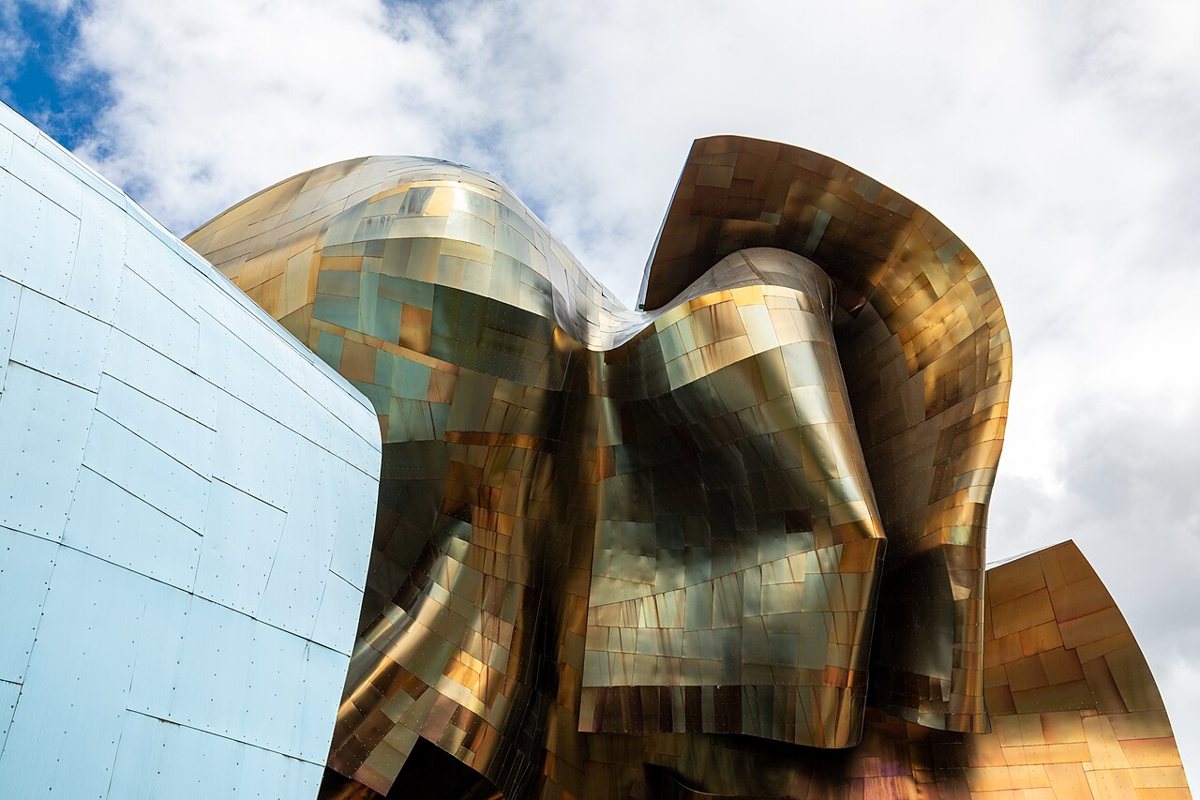
Frank Gehry's crumpled-metal building at Seattle Center still looks like nothing else on the skyline two decades on, and the museum inside earns the strangeness of the architecture. MoPOP started as a Jimi Hendrix and grunge-era shrine, and there's still a real Nirvana and Hendrix presence in the permanent collection — and has since expanded into horror, science fiction, video games, and touring exhibits built around whatever pop-culture moment is having a run that season. It's the museum I'd actually bring a teenager to without having to negotiate. The building sits inside Seattle Center, so you can fold in the Space Needle and Pacific Science Center on the same visit if you've got the stamina for a full day of it. My tip: the guitar gallery upstairs, with instruments actually played by Hendrix, gets skipped by people rushing straight to the sci-fi wing — don't skip it.

Chihuly Garden and Glass, Seattle Center
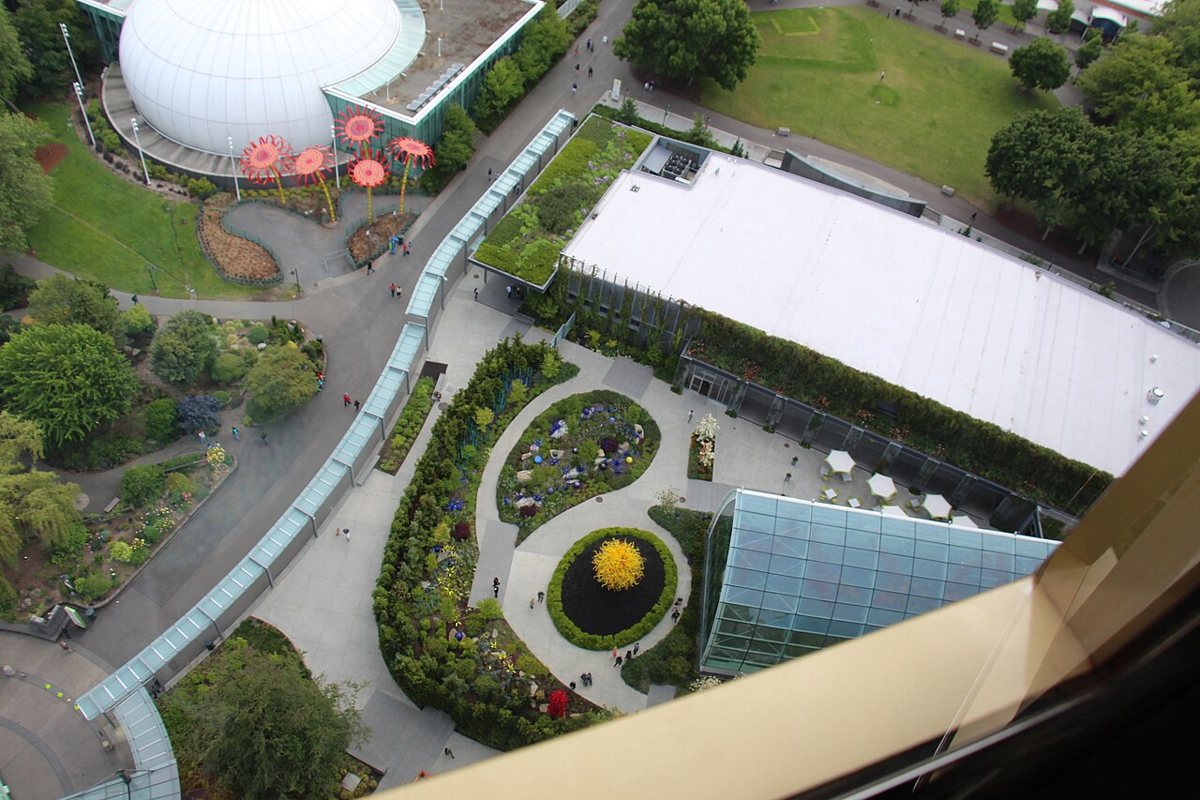
Dale Chihuly is a Tacoma-born glass artist whose work turns up all over this region, in hotel lobbies and hospital atriums alike, and this is the concentrated version: an indoor exhibition hall of his large-scale blown-glass installations connected to a glasshouse conservatory and an outdoor garden built specifically to hold even more of it. It photographs absurdly well, which is part of why people roll their eyes at it and also, honestly, part of why it's worth going. The glasshouse centerpiece, a suspended sculpture in reds and ambers hanging over the room, looks different depending on the light outside, so an overcast afternoon works in its favor rather than against it, the way most things in this city do. It sits right next to the Space Needle at Seattle Center, an easy add-on to a MoPOP or Pacific Science Center day.

Pacific Science Center, Seattle Center
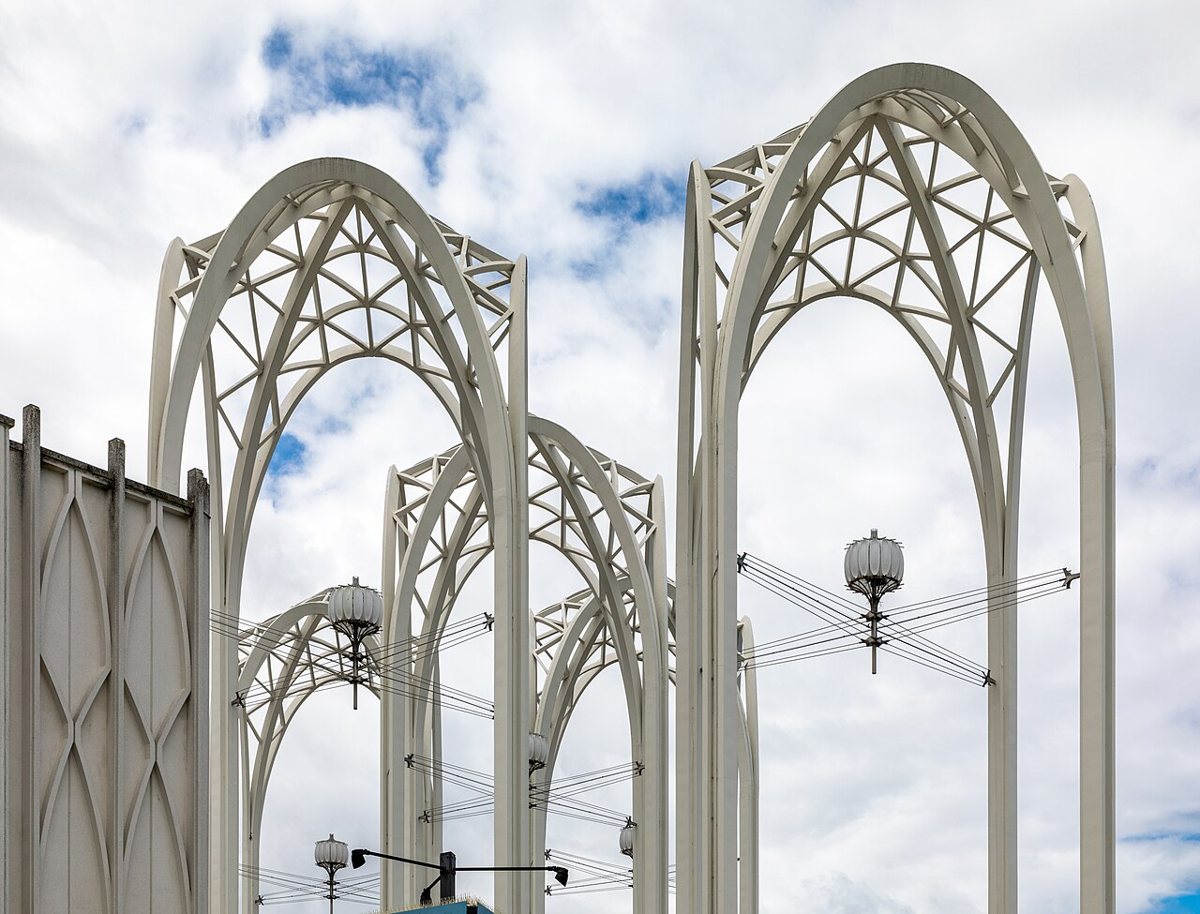
Pacific Science Center is the hands-on one, built for kids but genuinely engaging for adults who still like pressing buttons and watching things react in real time. It's got a planetarium, an IMAX theater, a butterfly house, and rotating traveling exhibitions layered on top of the permanent hands-on physics and biology exhibits that have entertained generations of Seattle field trips. The building itself, with its white arches and reflecting pools, was built for the 1962 World's Fair and is worth a look from the outside even if you're not going in. It's one of the few remaining pieces of that era's optimism about the future still standing intact. If you're managing a group with a wide range of ages, this is the one that keeps everybody occupied at once without anyone getting bored. It's inside Seattle Center, so pair it with the Space Needle or MoPOP for a full day out.

Museum of Flight, Boeing Field
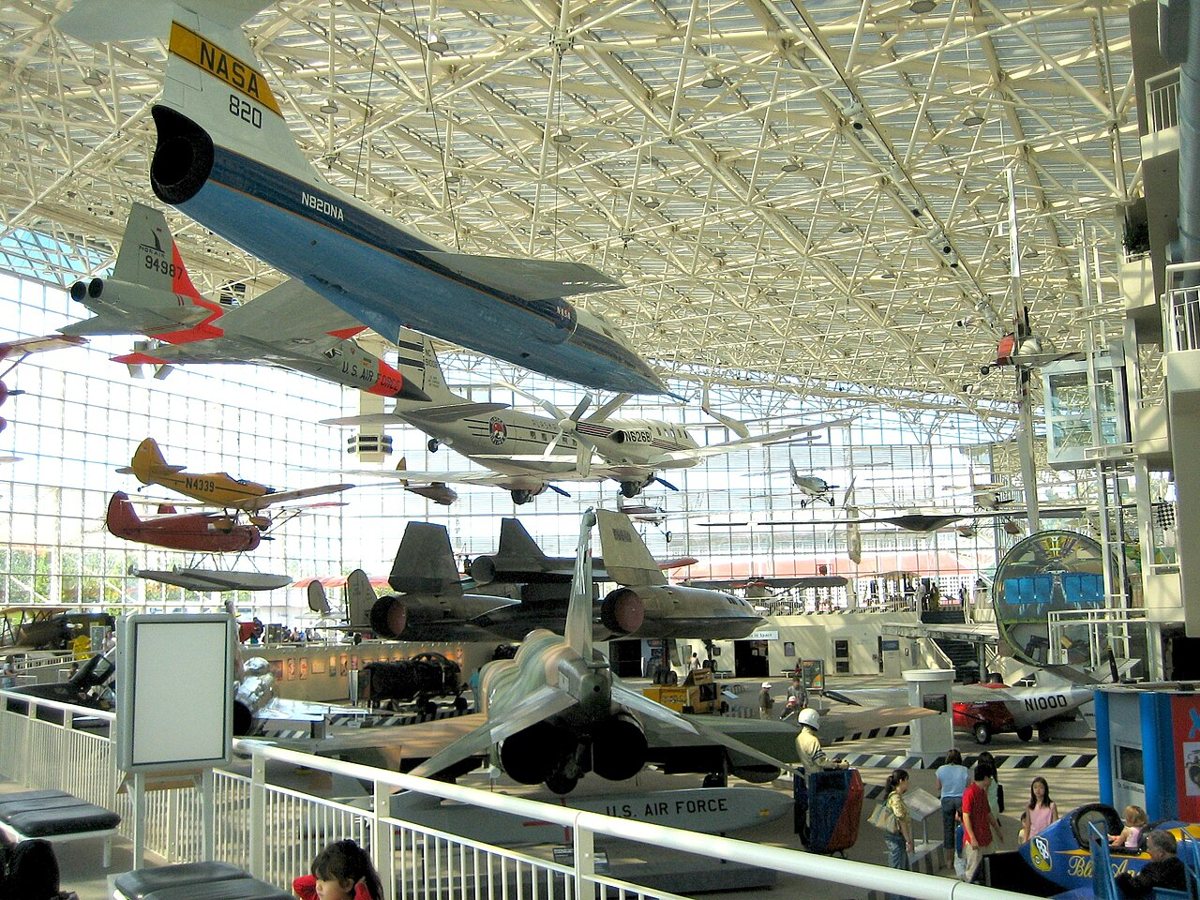
It surprises the people who assume it's just a Boeing gift shop with some old planes attached. The Museum of Flight, south of downtown near Boeing Field, holds one of the largest air and space collections in the country, including a Concorde you can walk through, an original Air Force One, and the full-size Space Shuttle Trainer that NASA astronauts trained in before their missions. It takes a genuinely full afternoon to do properly, more if you're the type who reads every placard on early aviation history and the Pacific Northwest's role in it. It's a bit of a drive or a light rail ride from downtown, not walkable from much else nearby, so plan it as its own trip rather than an afterthought tacked onto something else. Aviation nerds should budget the whole day; everyone else can still do it justice in two or three hours.

History and culture, told by the people who lived it
Museum of History & Industry (MOHAI), South Lake Union
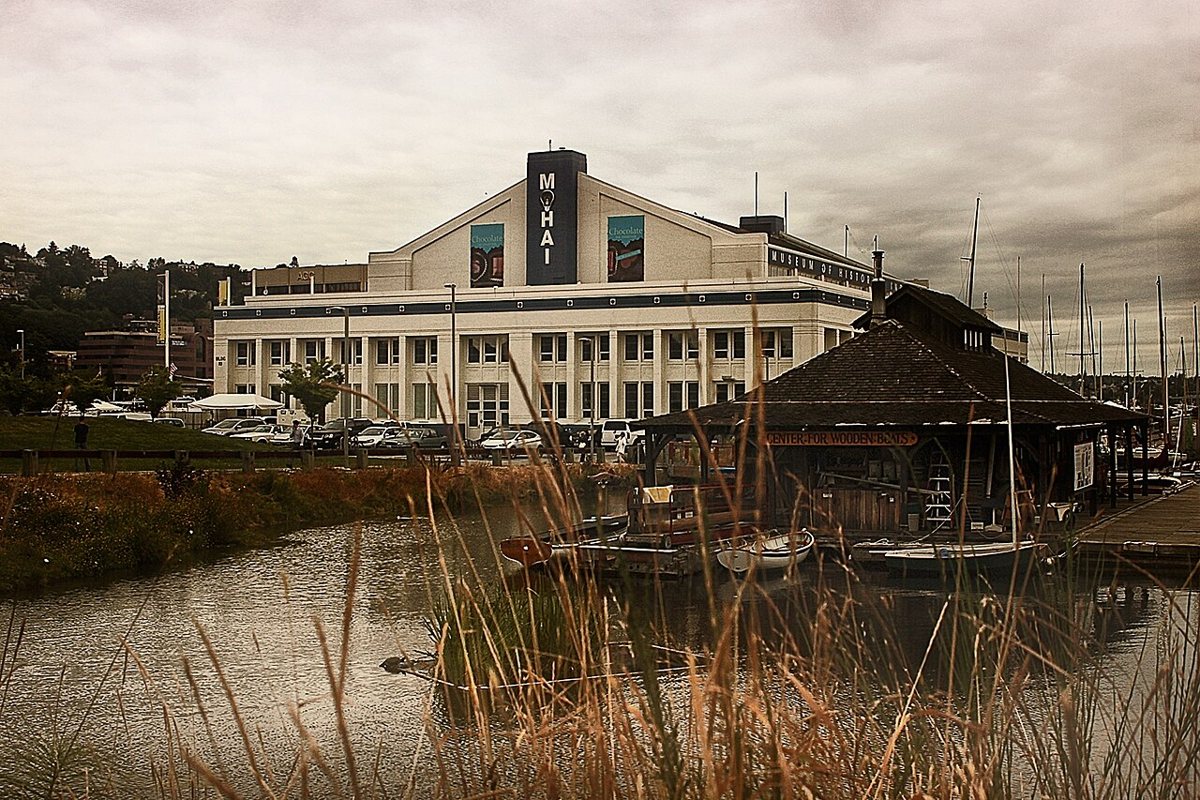
MOHAI moved into the old Naval Reserve Armory building on the shore of Lake Union a while back, and the building itself, all brick and open steel trusses, suits the collection better than its old Montlake home ever quite did. The permanent exhibits trace Seattle from its Duwamish and Coast Salish origins through the Klondike Gold Rush, the timber economy, Boeing's rise, and the more recent tech boom, and they don't flinch from the uglier parts of that story, including a history of displacement that's still an open wound in plenty of neighborhoods around this city. It's the museum I recommend to anyone who wants to understand why Seattle looks and feels the way it does now rather than the postcard version. It sits right on South Lake Union, so you're a short walk from the Amazon campus towers if you want to see that particular contrast up close and draw your own conclusions. Check the current admission schedule before you go, since it varies by day of the week.

Wing Luke Museum, Chinatown-International District
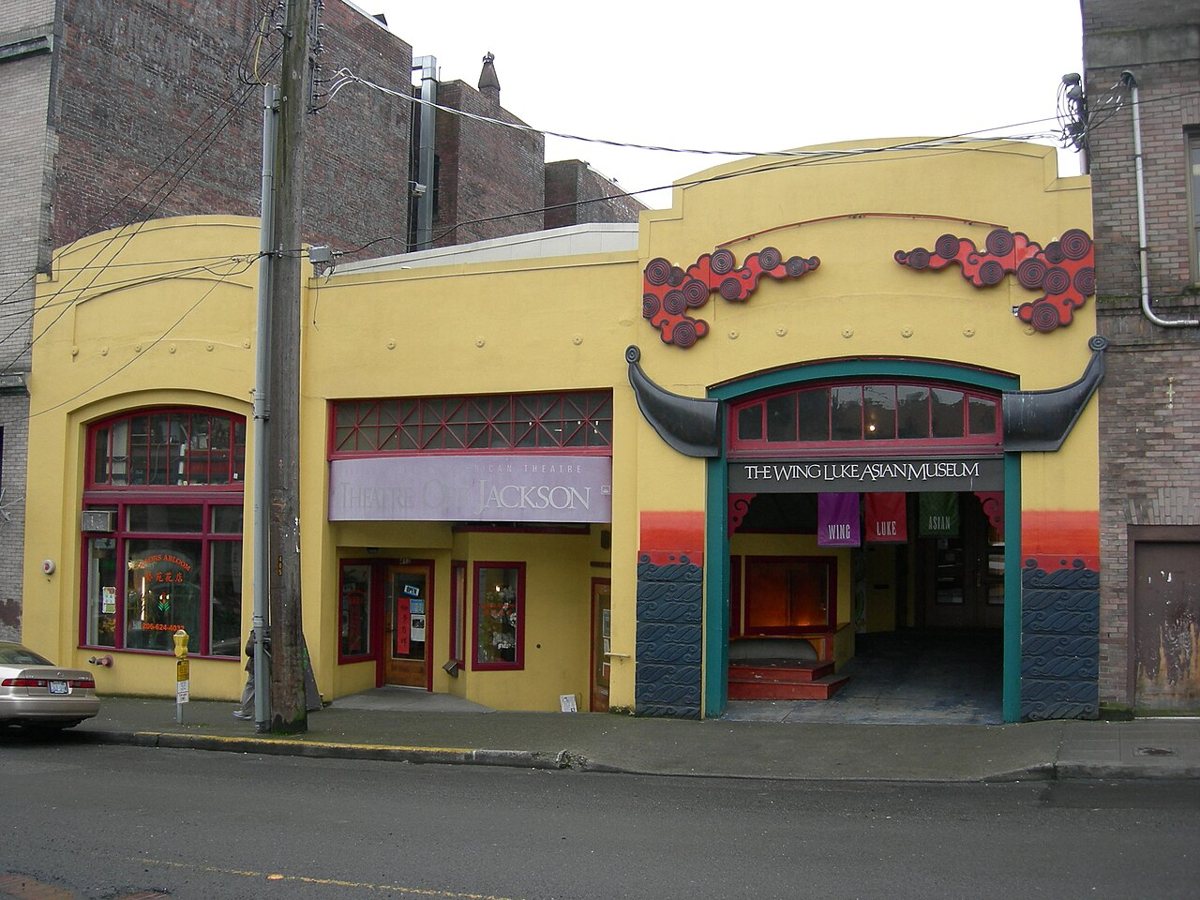
The Wing Luke is the only museum in the country built through a community-driven curatorial process specifically documenting the Asian Pacific American experience, and it operates out of a beautifully restored historic hotel building in the Chinatown-International District that itself carries stories embedded in its walls, in the preserved immigrant residential hotel rooms upstairs that were left largely untouched during the restoration. Exhibits cover Japanese American incarceration during World War II, plus Filipino and Chinese immigration history, and contemporary Asian American art and identity, often through oral histories collected directly from families with roots in the neighborhood. Tours of the preserved hotel rooms are worth booking ahead rather than hoping to walk into one on a whim. Afterward, the neighborhood around it has some of the best and least fussy food in the city, so don't rush straight back to your car.

Burke Museum of Natural History and Culture, University of Washington
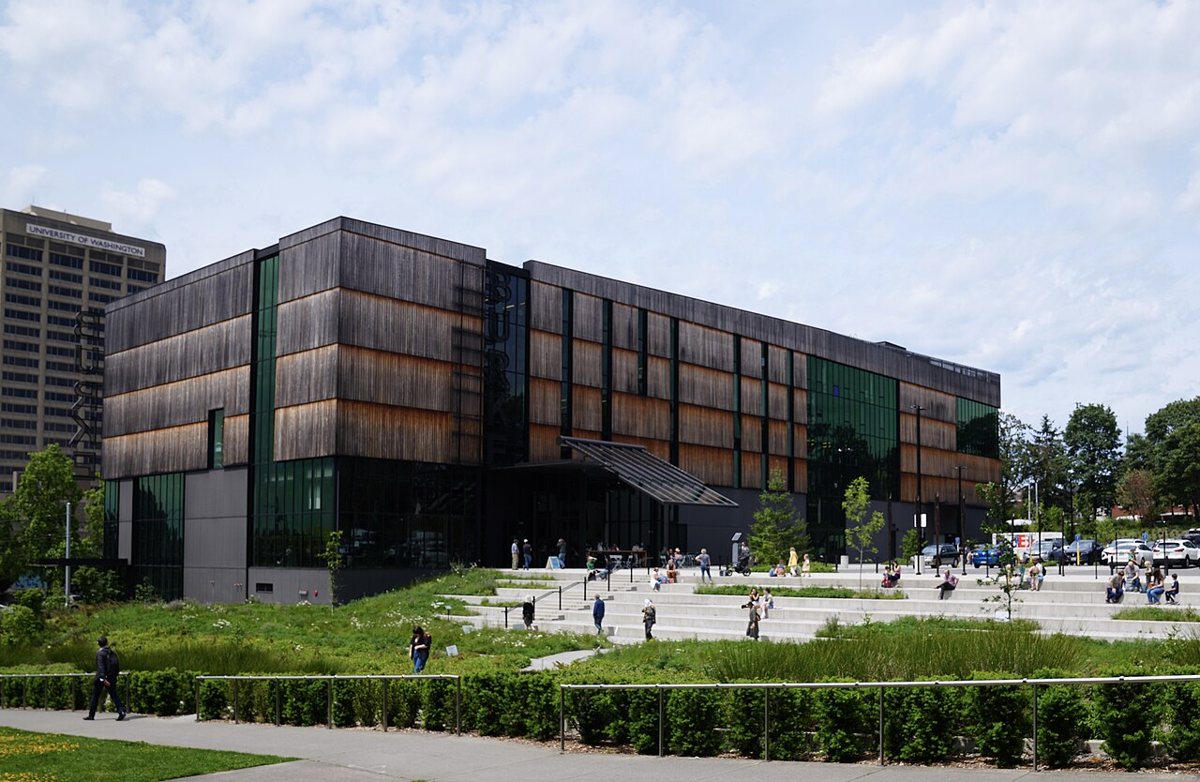
The Burke is Washington's natural history and culture museum, relocated into a newer building on the UW campus with genuinely striking design. Glass walls let you watch fossil preparators and conservators work on real specimens as visitors pass by in the hallway, which is a far better hook for a restless kid than any static diorama. Dinosaur fossils, a strong Pacific Northwest Native art and culture collection, and rotating natural science exhibits fill out the rest of it, and the building was designed from the start to make that behind-the-scenes work visible rather than hidden. It's an easy pairing with the Henry Art Gallery since both sit on the same campus a short walk apart. Go on a weekday afternoon and you'll likely catch the fossil lab in active use rather than empty behind the glass.

National Nordic Museum, Ballard
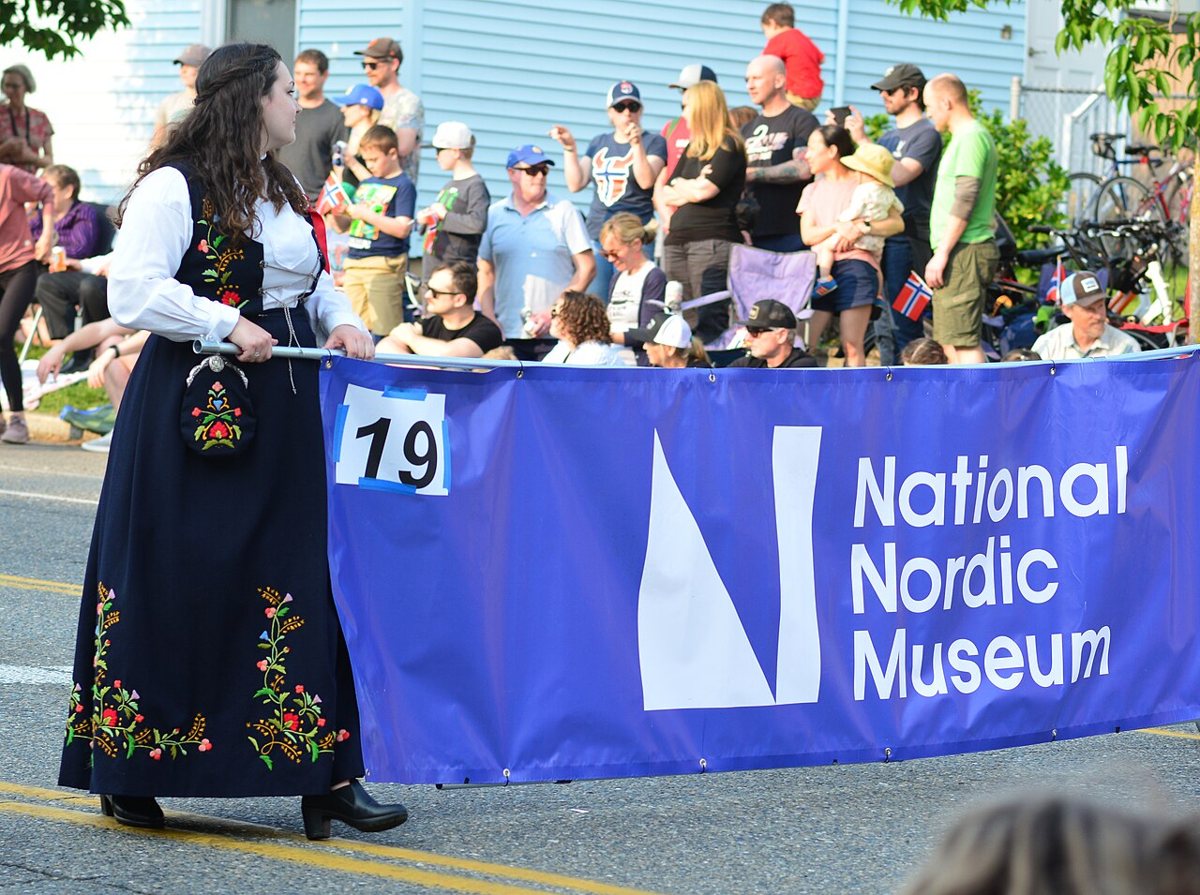
Ballard was a Scandinavian fishing and shipbuilding neighborhood long before it became a brewery district, and the National Nordic Museum is the institution that keeps that history from getting flattened into lutefisk jokes and gift-shop trolls. The building itself, opened in its current location a few years back, is deliberately shaped to suggest a fjord cutting through the block, and the galleries trace immigration from Denmark, Finland, Iceland, Norway, and Sweden alongside contemporary Nordic art, plus design and film. It's the only museum in the United States dedicated to all five Nordic countries together under one roof. After, walk down to the Ballard Locks to watch boats and salmon move between fresh and salt water, or duck into one of the old Nordic bakeries and shops still holding on in the neighborhood, which rounds out a full day out nicely without needing a car in between stops.

Small and specific: the ones locals actually love
Center for Wooden Boats, South Lake Union
It's a living, working museum on the shore of Lake Union where the boats are meant to be sailed, not just looked at from behind a rope line. It's a floating collection of historic small wooden craft, and the organization actually rents rowboats and sailboats by the hour and runs free public rides on Sundays when weather and volunteers permit. It's the least stuffy entry on this list by a wide margin, and it's a genuinely good antidote to a day of quiet galleries if what you actually want is to be outside on the water instead of indoors under fluorescent light. It sits right on South Lake Union, an easy walk from MOHAI, so the two make a natural pair for one afternoon rather than two separate trips.
Klondike Gold Rush National Historical Park museum, Pioneer Square
Most visitors don't know Seattle has a unit of the National Park Service tucked into a storefront in Pioneer Square, but the Klondike Gold Rush museum tells a story that built the city's early fortune: Seattle as the outfitting and departure point for prospectors heading north to the Yukon in 1897 and 1898, back when this was still a raw, ambitious port town rather than a tech hub. It's small, free to enter, and staffed by rangers who clearly enjoy the material and will talk your ear off about it if you let them. Pioneer Square itself, with its brick architecture and underground tour operators, rewards a slow walk before or after. This one's easy to underrate because it's not flashy, but it's one of the more specific and least crowded stops on this whole list, and I still send people there first when they ask what they're missing.
Getting around, timing it right, and what's actually free
Most of these cluster into a few walkable pockets, which makes planning easier than the city's sprawl might suggest at first glance. Seattle Center holds MoPOP, Chihuly Garden and Glass, and Pacific Science Center within a few minutes of each other, so that's a natural single-day loop, ideally reached by the monorail from downtown rather than fighting for parking in that neighborhood. Downtown and Capitol Hill hold SAM, the Olympic Sculpture Park, and the Seattle Asian Art Museum, connected by a pleasant enough walk or a short bus ride up Broadway if your knees would rather skip the hill. The University of Washington campus holds the Henry and the Burke together, a five-minute walk apart. South Lake Union groups MOHAI with the Center for Wooden Boats along the same stretch of shoreline. Ballard, Pioneer Square, and the Chinatown-International District each stand more on their own geographically and are worth a dedicated visit rather than a rushed add-on squeezed between two other stops.
- Many of the art-focused museums, including SAM and the Seattle Asian Art Museum, run a free or reduced-admission evening on the first Thursday of the month, a long-standing regional tradition worth checking before you plan a full-price visit.
- Several museums offer discounted or free entry for Washington state residents on certain days, and most build in periodic free days of some kind, so check each museum's current schedule directly rather than assuming it carries over from last year.
- Rain is not a reason to reschedule here — locals treat a drizzly Tuesday as prime museum weather precisely because it's quieter than the summer crush, when every gallery fills with visitors trying to outrun the one sunny week.
- If you're doing more than two or three museums in a visit, look at a Seattle CityPASS or similar bundled ticket, which usually covers several of the Seattle Center attractions plus one or two others and can save real money.
- Parking downtown and at Seattle Center gets expensive and scarce fast on weekends; the monorail, light rail, and RapidRide bus lines cover almost everything on this list without needing a car at all.
- Budget more time than you think for the Museum of Flight and the Burke, both of which reward slow wandering, and less time than you'd expect for the Klondike Gold Rush storefront, which is compact by design.
What actually distinguishes this city's museums isn't scale, since Seattle will never out-Smithsonian the Smithsonian and, to its credit, doesn't really try to. It's that almost every one of these institutions is telling a story specific to this corner of the country: Nordic fishing families in Ballard, a gold rush that filled Pioneer Square's hotels and financed half of downtown, a Boeing engineer's spare instincts turned into one of the country's great aviation collections, a community in the Chinatown-International District that built its own museum rather than waiting for someone else to tell its history for it. Visit enough of them in the same season and you start to understand Seattle less as a tech-money punchline and more as what it actually is underneath that: a wet, green place, quietly stubborn, that has always made and kept its own things and never stopped arguing with itself about what to do with its growth. That's worth an afternoon indoors, rain or not, and it's worth doing more than once.