Spring Things to Do in Seattle for 2026
A local food-and-culture editor's exhaustive, unglamorous guide to the six weeks when Seattle stops apologizing for winter and starts showing off.
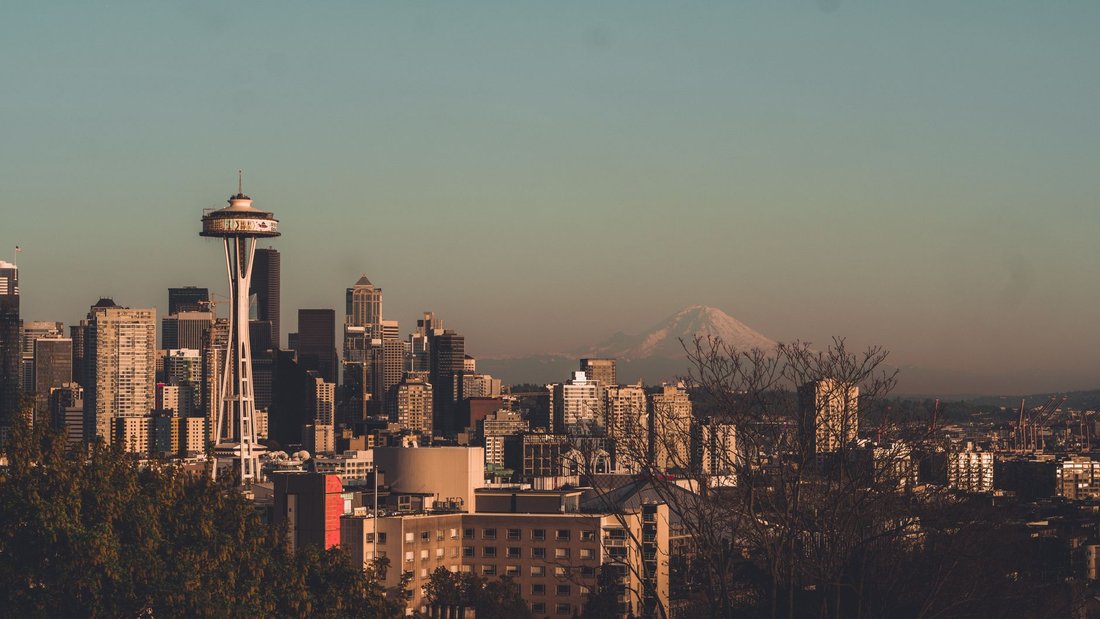
On the first genuinely warm Saturday of the year, usually landing anywhere from late March to the third week of April because Seattle doesn't consult a calendar, Green Lake fills with people who have clearly been waiting. Strollers, folding chairs, somebody grilling out of the back of a hatchback, teenagers in shorts a solid twenty degrees before shorts are advisable. That's the tell that spring things to do in Seattle stop being theoretical and start being urgent. The cherry trees at the University of Washington are about to go off, the mountain starts showing up on the horizon more mornings than not, and for about six weeks the whole city acts a little giddy on daylight it hasn't seen since October. I've covered this town for eighteen years and the shift still catches me off guard every time.
What follows isn't a highlight reel. It's the actual list, organized the way a person living here would move through the season: the bloom first, then the parks, the beaches nobody actually swims at, the neighborhoods worth wandering on a clear afternoon, and the two things that only happen this time of year and are worth planning around.
Spring things to do in Seattle start with the trees
Seattle's spring doesn't announce itself with warmth so much as with color. Before the temperature does anything convincing, the magnolias and cherry trees start committing to it, and the city's gardens turn into the most reliable spring things to do in Seattle regardless of what the sky is doing that particular Tuesday.
University of Washington Quad
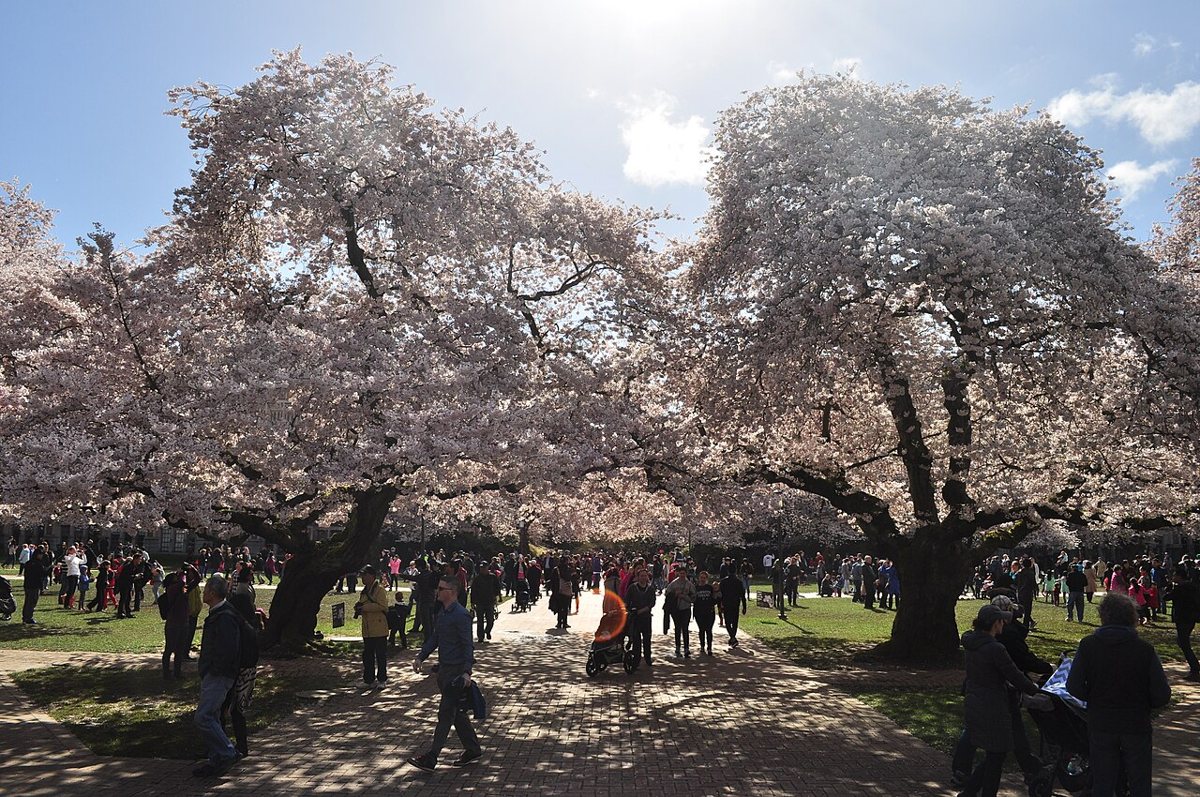
The Quad is the one everybody already has in their head, even people who've never set foot in Seattle: a rectangle of lawn ringed by roughly thirty Yoshino cherry trees that erupt into a dense pink canopy for a couple of weeks each spring. Peak bloom is typically late March into early April, but it moves every year depending on how the winter went, so check current bloom updates before crossing town for it. There is nothing to do here but walk the paths, sit on the grass, and let the petals fall on you. Show up before nine on a weekday if you want that to feel like anything, because by early Saturday afternoon the Quad is a wall of tripods and prom-style photo shoots, and the trees stop being trees and start being a backdrop. It's in the University District, an easy stop if you're already grabbing a serious espresso first a few blocks over on the Ave.

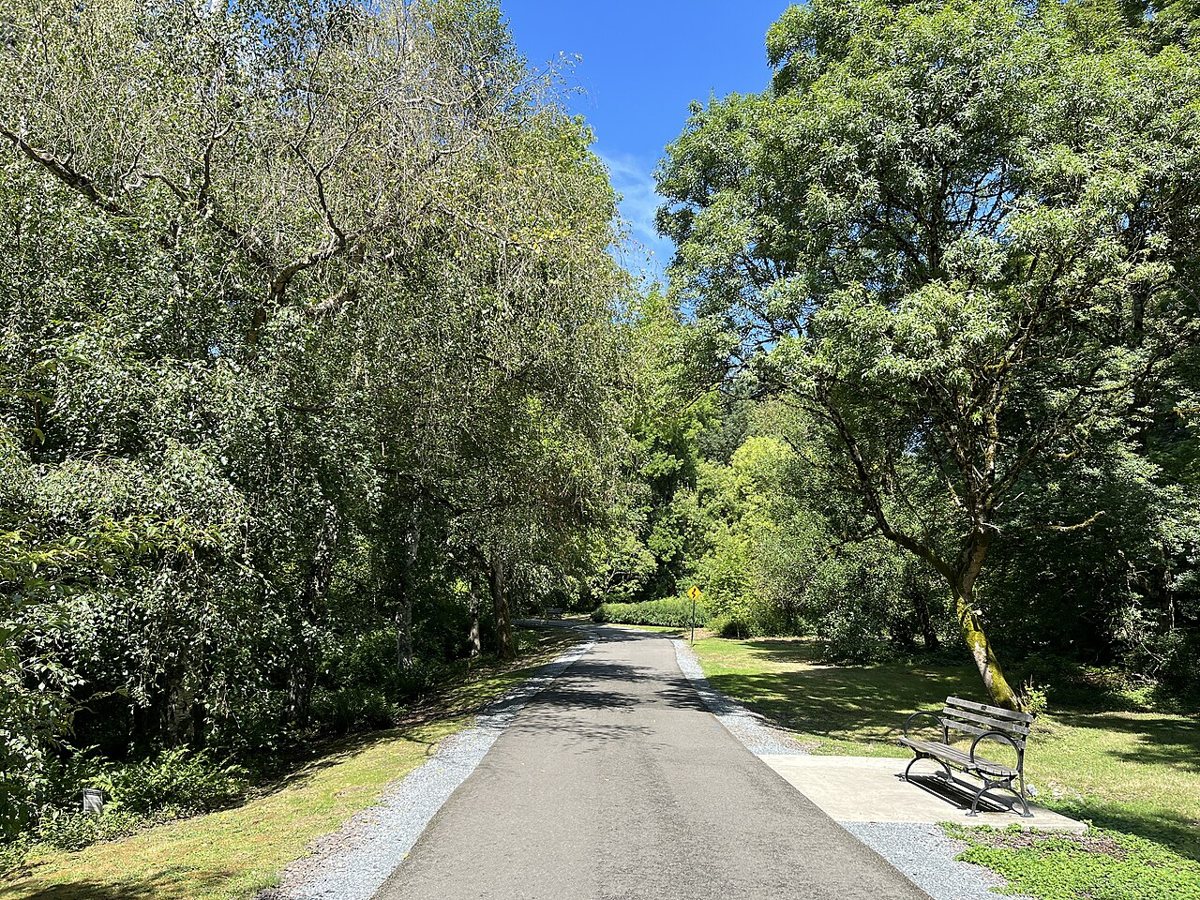
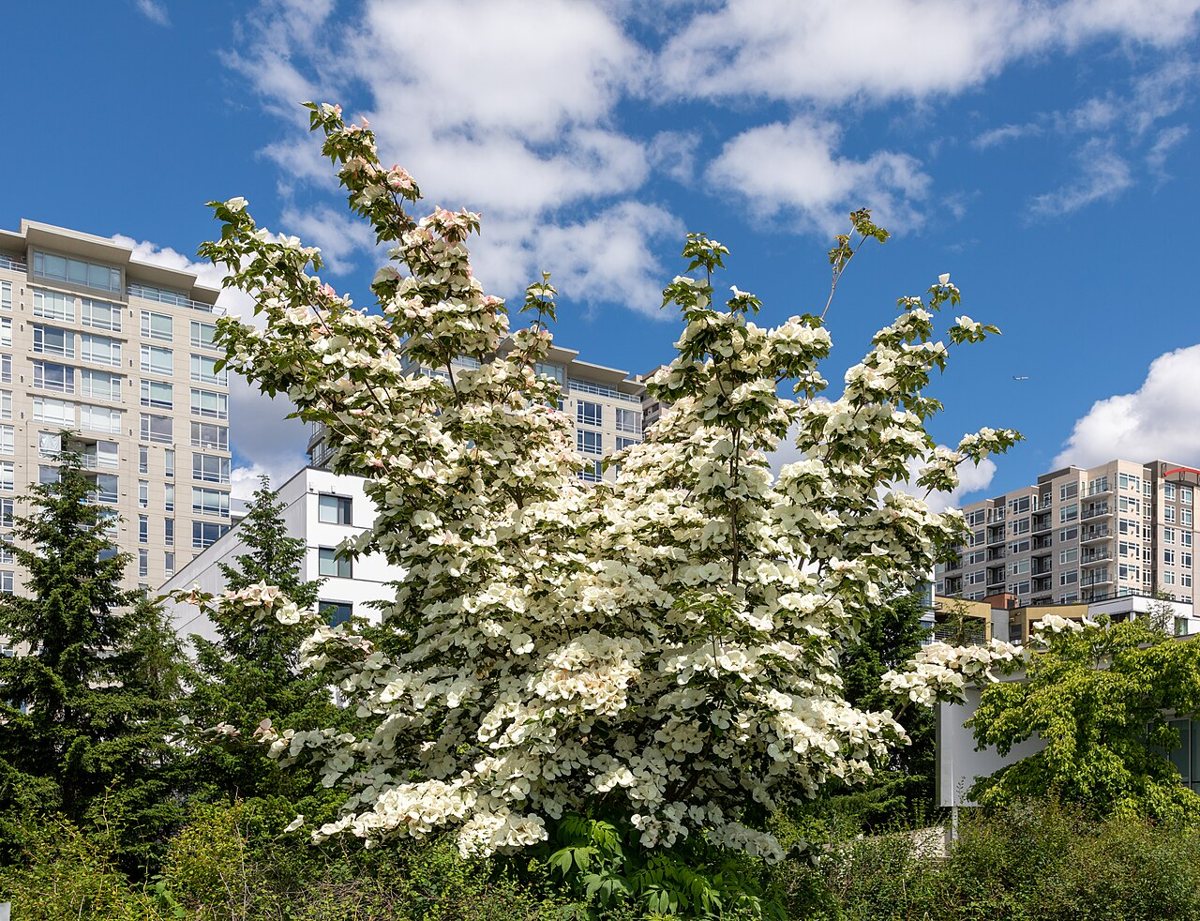
Washington Park Arboretum is the version of that same idea stretched across 230 acres along Lake Washington, jointly run by the university and the city, and it never feels crowded the way the Quad does. The signature walk is Azalea Way, a wide grass path lined with magnolias, rhododendrons, and dogwoods that bloom in overlapping waves from March into May, so you get a longer window here than almost anywhere else in the city. Take a book, or take nothing, and walk it end to end. Worth knowing: the magnolias tend to peak before the cherry trees do, so a trip here in early March bridges the gap before the Quad gets going. It's free and dog-friendly on leash, over in the Madison Valley and Montlake area, close enough to Capitol Hill to pair with lunch.

Seattle Japanese Garden
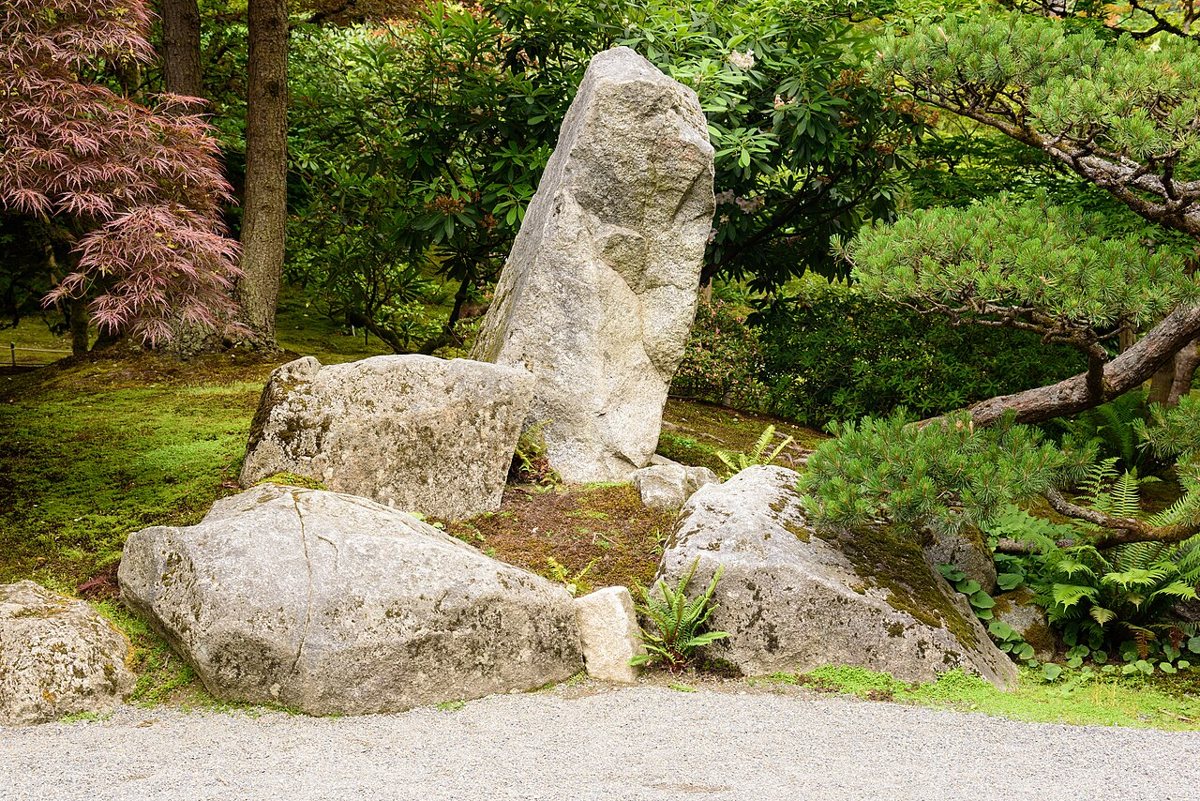
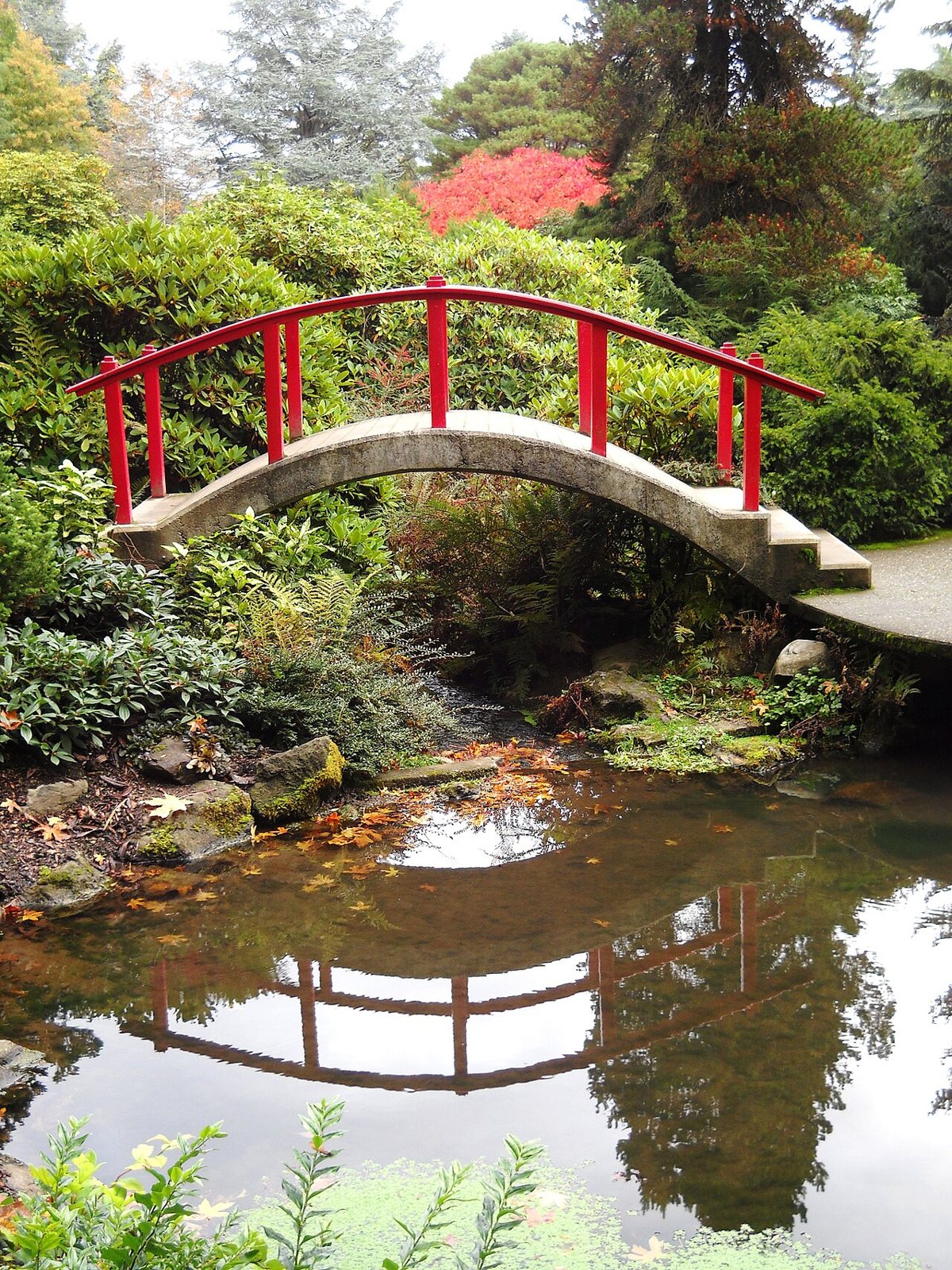
Set inside the southern end of the Arboretum, the Japanese Garden is a separate, gated, formal garden with koi ponds and a teahouse, stone lanterns set into the moss, and a level of maintenance that shows in every clipped hedge. Unlike most of the Arboretum, this one does charge admission, and it's worth it in spring for the flowering cherries against maples leafing out in fresh green, with irises starting along the water's edge. This is the one place on this list that asks you to slow down, and it punishes you for not doing it. Sit at the pond's edge for ten minutes before moving on. Seasonal hours shift through the year, so check the current schedule first, and aim for a weekday morning if you can. It's a short walk from the rest of the Arboretum, so most people combine the two.

Kubota Garden, down in Rainier Beach, gets a fraction of the visitors either of those spots does, which is exactly the point. Fujitaro Kubota, a Japanese immigrant landscaper, started building it in the late 1920s on logged-off land, and the city eventually bought and preserved it. It's twenty free acres of ponds and waterfalls cut into a terraced hillside, wilder and less manicured than the Japanese Garden, with its own bloom of azaleas and Japanese maples leafing out. The loop trail takes about an hour at a wander. It's a genuine trek from downtown, out in south Seattle, but it's the one locals mention when they want to sound like they know something.

Once the mountain starts showing up, get outside
Locals have a specific way of saying a clear day arrived: the mountain is out. Mount Rainier is visible from a surprising number of vantage points around the city on clear days, and in spring, as storm systems finally start losing, those days multiply. This is when the parks fill back up.
Green Lake
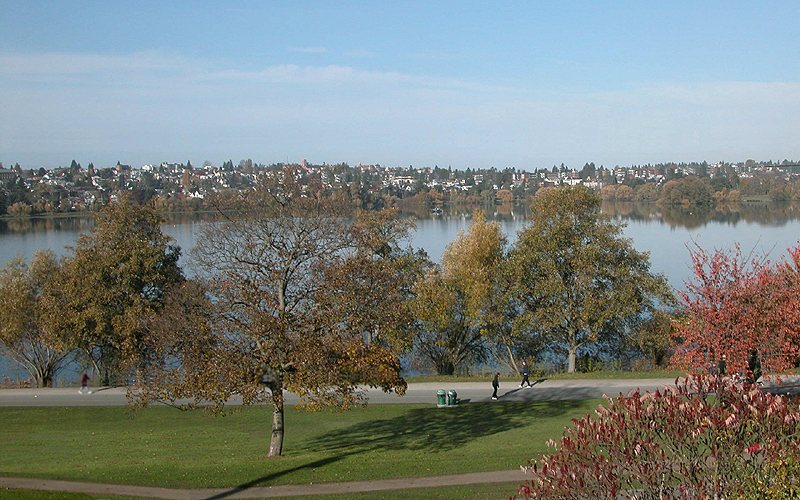
Green Lake is the city's barometer. A 2.8-mile paved loop circles the lake through north Seattle, and on the first warm weekends it's shoulder to shoulder with runners and cyclists, rowers pulling out from the boathouse, and families staking out the east side lawns for a picnic. Walk or bike the loop, rent a paddleboard or canoe from the small boathouse on the east shore, or just claim a patch of grass and stay there. One piece of etiquette matters more than people expect: walkers stick to the inner path, wheels take the outer one, and locals get genuinely irritated when visitors don't sort themselves out. Before ten on a Saturday is the only window with real elbow room. It sits right between the Green Lake and Wallingford neighborhoods.

Gas Works Park
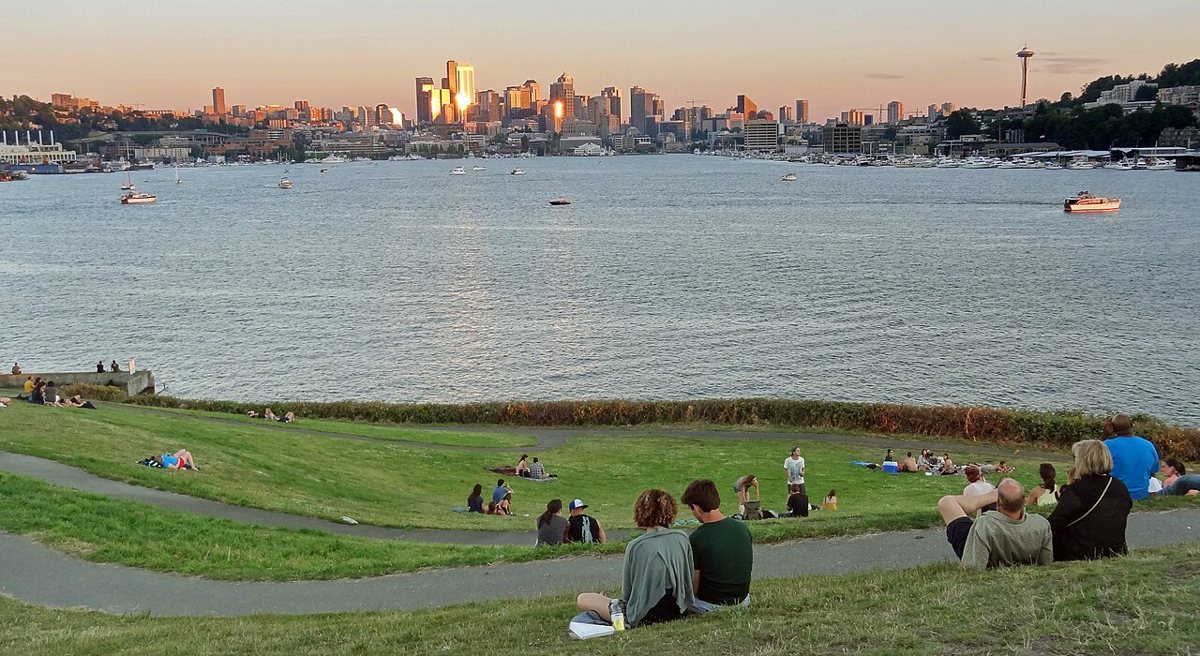
Gas Works is a former coal gasification plant on the north shore of Lake Union, decommissioned decades ago and turned into a park with the rusted industrial towers left standing as sculpture rather than torn down. It sounds like it shouldn't work and it completely does. The best reason to come is the view: from the grassy kite-flying hill, you get downtown Seattle across the water with the towers in the foreground, which is one of the more distinctive skyline shots in the city and a favorite for sunset. Climb the hill, watch the boat traffic, and if you brought a kite, this is where it belongs. Come at golden hour rather than midday. The light does more work and the crowds thin out. It's in Wallingford, an easy add-on to a Green Lake trip.

Discovery Park
Discovery Park is the largest park in the city, 534 acres on a former Army post at the tip of Magnolia, and it's the closest thing Seattle has to real wilderness without leaving the city limits. The loop trail runs through second-growth forest and open meadow before dropping down bluffs to a beach and a working lighthouse, a round trip of roughly three miles. By April the meadow sections fill in with wildflowers and the forest canopy turns fully green again. This is as close as you get to a proper trail walk without actually leaving Seattle, and it's worth treating it that way: wear real shoes, bring water, and check a tide table if you want time on the beach, since the tide can eat the sand fast. It's in Magnolia, a bit removed from downtown, which is part of why it stays quiet even on nice days.

Beach weather, technically
Puget Sound doesn't warm up in spring, not really, but that has never stopped anyone from treating the first sunny sixty-five-degree afternoon as beach weather. It's less about swimming and more about being near water with your shoes off.
Golden Gardens Park
Golden Gardens sits at the north end of Ballard, a genuine sand beach with driftwood logs, a small boat harbor, and a clear shot across the Sound to the Olympic Mountains, which makes it one of the better sunset spots in the city. There are designated fire rings, and yes, people use them, though fires are only allowed in the marked rings and the rules on when and whether they're open shift with the season and air quality, so check the current park rules before you haul firewood down there. Walk the beach, claim a log, watch the ferries cross toward Bainbridge. Pack a layer no matter how warm the afternoon felt. Wind off the water drops the temperature fast once the sun starts going down, and every spring somebody learns that the hard way in a t-shirt. It's a short drive or bus ride from the rest of Ballard.
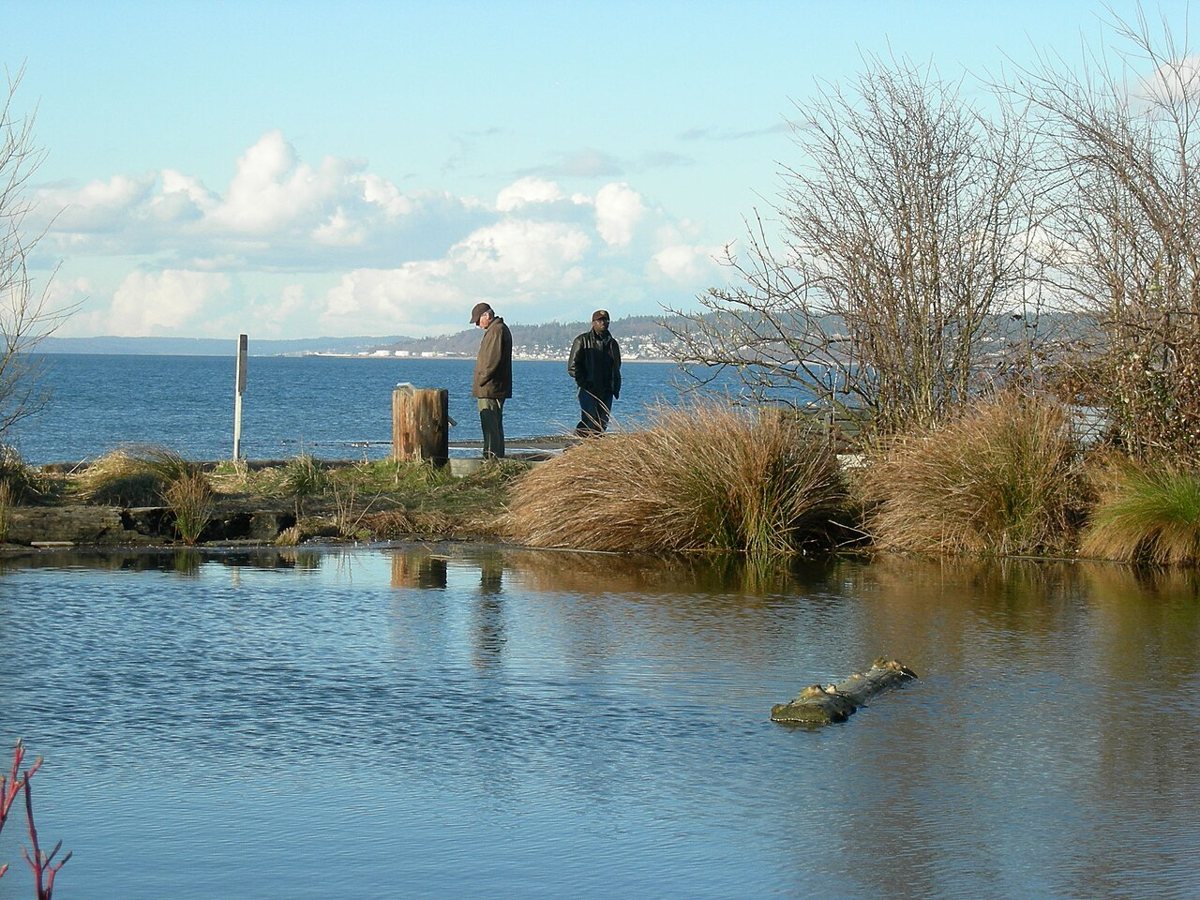

Alki Beach, across the water in West Seattle, is the more social version of the same idea, a long paved promenade that locals treat as a running joke about how the neighborhood is trying to be Southern California, palm trees and all. It draws walkers and cyclists, volleyball games that run until the light goes, and a steady stream of people eating fish and chips along the strip. The Alki Point Lighthouse sits at the far end if you walk the whole thing. Parking gets genuinely difficult on sunny weekends, so if you can, take the water taxi over from downtown instead of driving. It's the defining spring hangout for West Seattle.
Wandering the neighborhoods
Some of the best spring things to do in Seattle aren't destinations so much as excuses to walk a neighborhood while the weather cooperates.
Pike Place Market
Locals mostly stopped buying fish at Pike Place Market somewhere around adolescence, but that doesn't mean the market isn't worth visiting, especially in spring, when the flower stalls fill in with tulip and peony bunches trucked down from Skagit Valley growers and the farm tables start restocking after a thin winter. Underneath the tourist layer, it's still a working farmers market, and that's the version worth seeing. Come early on a weekday, walk the flower row first, then duck into the lower levels for the smaller shops most people never find. The market rewards patience and a willingness to get lost below street level, where the crowds thin out fast and the rents are low enough that odd little businesses survive. It's downtown, on the edge of the waterfront.
Fremont Sunday Market
Fremont's open-air market sets up under and around the Aurora Bridge, a sprawl of produce stands and vintage clothing racks, craft vendors, junk that is almost antique, and a solid run of food carts. It captures the neighborhood's self-declared status as the center of the universe better than almost anything else there, and it's an easy pairing with the troll sculpture under the bridge and the neighborhood's small shops and breweries. Arrive hungry. The food cart row is the best part of the market by a wide margin, better than most of the merchandise. It runs on Sundays and it's largely outdoors, so a clear spring day is what you want.
Volunteer Park Conservatory
Capitol Hill's Victorian glasshouse has been running since 1912, five connected rooms of palms, ferns, cacti, and seasonal displays under old glass, and it costs very little to walk through. Its real value in spring is as insurance. On the weeks when the sky refuses to commit and the outdoor bloom hasn't started, the Conservatory is warm, humid, and full of things flowering on their own schedule regardless of what Seattle is doing outside. Admission is modest and hours are seasonal, so check before you go. Pair it with the rest of Volunteer Park, where the water tower's spiral staircase gives you a free view over the Hill and the Sound from the top.
Olympic Sculpture Park
The Seattle Art Museum's outdoor park sits on a reclaimed industrial site on the downtown waterfront, a zigzag of paths dropping from Western Avenue down to the water past large-scale works you can walk right up to. It's free, it's always open during daylight, and it's the easiest thing on this list to fit into an hour you didn't plan for. Spring is the moment it works best, when the plantings come back in and the Olympics across the Sound are actually visible on a clear evening instead of hiding behind weather. Walk down through it toward the beach at the bottom rather than starting from the water, so the view opens up in front of you as you go.

Ballard Locks
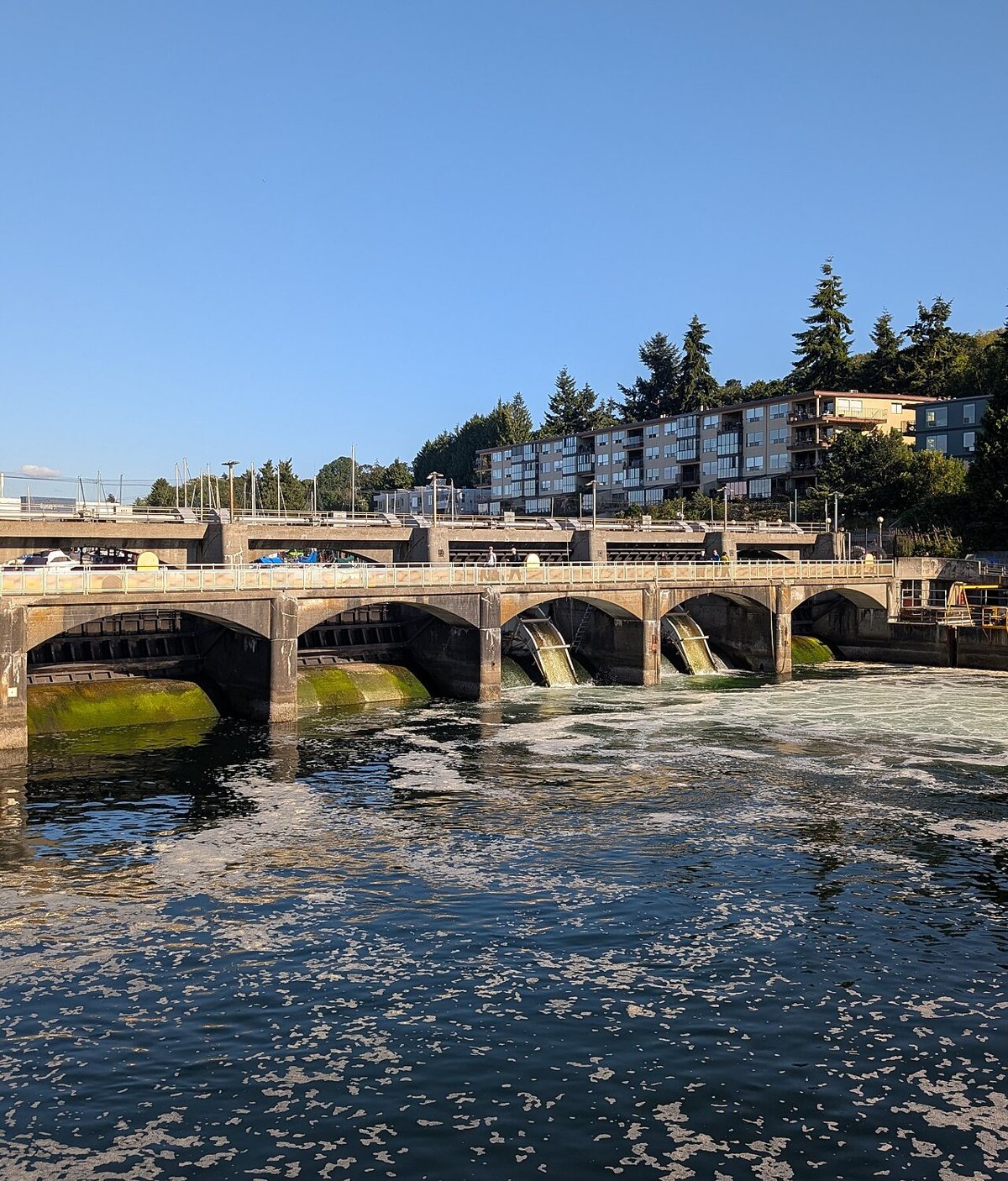
The Hiram M. Chittenden Locks connect Lake Union and Lake Washington to Puget Sound, and watching boats rise and lower through the chambers is one of those free, slightly mesmerizing things Seattle offers that visitors never expect. The season adds two layers here. Migratory birds start moving through the adjoining botanical garden as it blooms out, and the fish ladder's underwater viewing windows show more activity as the salmon runs ramp up later on. Stand at the rail and watch a full lockage happen, start to finish, then walk over to the fish ladder windows. Weekday afternoons get steady boat traffic without the weekend crush. It's in Ballard, walkable from the neighborhood's main strip.

Baseball is back, and so is the drive north
Two things happen every spring that are worth building a day around rather than stumbling into.
T-Mobile Park
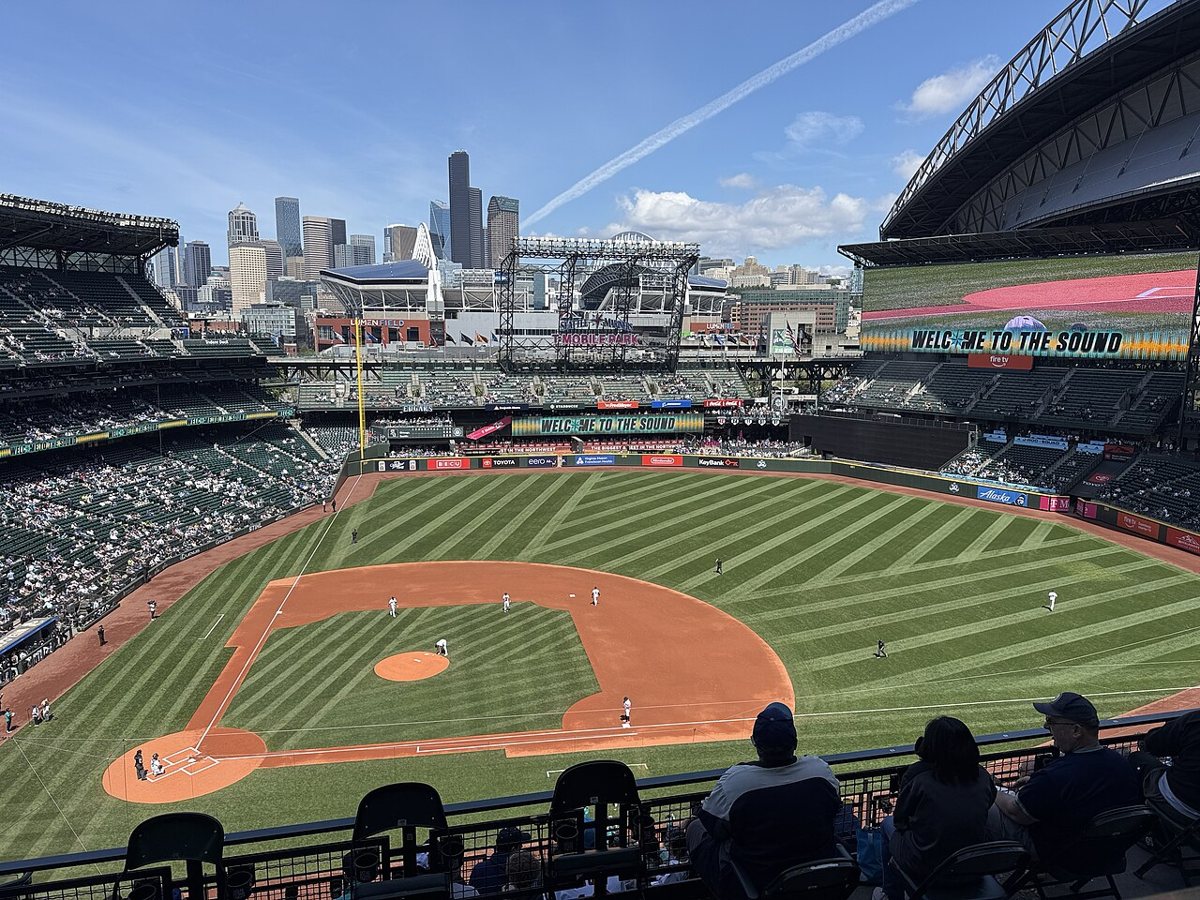
The Mariners' home opener falls in spring most years, and even for people who don't follow baseball closely the rest of the season, opening week has a genuine charge to it. The retractable roof means a game happens rain or shine, which matters more than fans from other cities might expect. Catch an early homestand game and don't rule out the upper deck, which still gets a solid view of the field, and of Rainier past the outfield when the mountain cooperates. Check the current schedule before planning around it, since dates and matchups shift year to year. It's in SoDo, an easy light rail ride from downtown.

Skagit Valley Tulip Festival
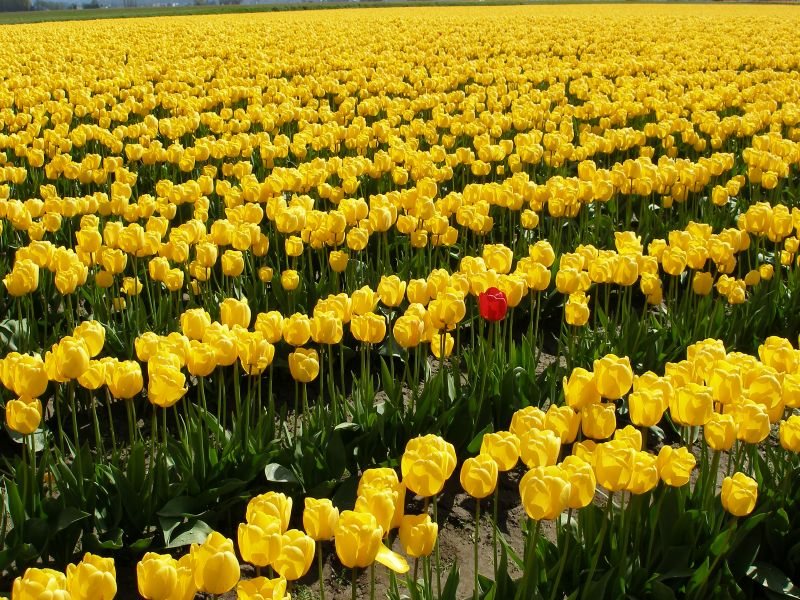
About an hour north of the city, the fields around Mount Vernon turn into rows of tulips and daffodils each spring, spread across several working farms whose fields peak at different times, which is part of why bloom status shifts field to field through the month. It's a genuine spectacle, color stretching toward the Cascade foothills in a way that photos undersell. Check current bloom conditions before driving up, since the display moves and a field that was full last week can be cut down to stubble by the time you arrive. A weekday morning is worth rearranging your week for. Weekends turn the two-lane roads through the valley into gridlock that can add an hour each way. The roadside farm stands run on cash, so come with some.

The practical part
A few things make the season easier to navigate, regardless of which of these you pick.
- Getting around: light rail covers the university, downtown, and the airport corridor well, but Green Lake, Discovery Park, Golden Gardens, and the Arboretum are all easier by car or bus, or on a bike if the hills don't scare you. Parking near the Quad during peak bloom weekends is genuinely bad, so consider transit or a bike for that one specifically.
- Timing: weekday mornings beat weekend afternoons at almost every spot on this list. Bloom dates for cherry trees, magnolias, and tulips move every year with the winter's weather, so treat any specific date you read as a guess, including this one.
- What's free: Green Lake, Gas Works Park, Discovery Park, Golden Gardens, Alki Beach, the Washington Park Arboretum, Kubota Garden, the Fremont Sunday Market, the Olympic Sculpture Park, and the Ballard Locks don't charge admission. The Seattle Japanese Garden, the Volunteer Park Conservatory, and T-Mobile Park all do, though the first two are cheap.
- Layers: a sunny sixty-degree afternoon can drop fifteen degrees by the time the sun goes down over the water, especially at the beaches. Bring something warmer than the forecast suggests you'll need.
What actually matters
None of this requires much money or much planning, which is more or less the point of the season. The season here isn't a spectacle the way autumn on the East Coast is, and nobody markets it the way they market the summer festivals. It's quieter than that: a city full of people who spent five months indoors finally getting to be outside again, a little too eager about it, grilling in parking spots and wearing shorts a month early. The trees and the tulip fields get the photos, but the real thing worth catching is that mood. It doesn't last. By June the crowds thin out because everyone's gotten used to the sun again, and the giddiness wears off into something more ordinary. Catch it while it's still there.