Things to Do in Seattle You Shouldn't Miss
Beyond the postcard shot of the Space Needle, Seattle's real appeal sits in a scatter of parks, markets, and neighborhood corners locals actually return to.
Nine on a Tuesday morning and the fishmongers at Pike Place have already sold three king salmon before the tourists finish their coffee. A produce vendor is stacking rainier cherries into a pyramid that will collapse by ten. Somebody's dog is tied to a parking meter outside Beecher's, patient as a saint. This is the market at its actual working hours, before the crowds thicken, and it's a fair place to start thinking about things to do in Seattle, because it tells you something true about the city right away: the good stuff here rewards people who show up early, walk a little farther, and don't need everything explained to them with a plaque.
Seattle doesn't perform for visitors the way some cities do. It rains, mildly, for a good chunk of the year, and nobody here considers that a character flaw in the weather. What the city does instead is offer an unreasonable number of ways to spend a day outside, on the water, in a museum built around something specific and strange, or in a neighborhood that still feels like it belongs to the people who live there. This guide moves roughly by geography, starting downtown and radiating out, because that's how a visit here actually unfolds. You don't do Seattle in a straight line, you do it in loops.
Downtown and the Waterfront: Where Most Visits Begin
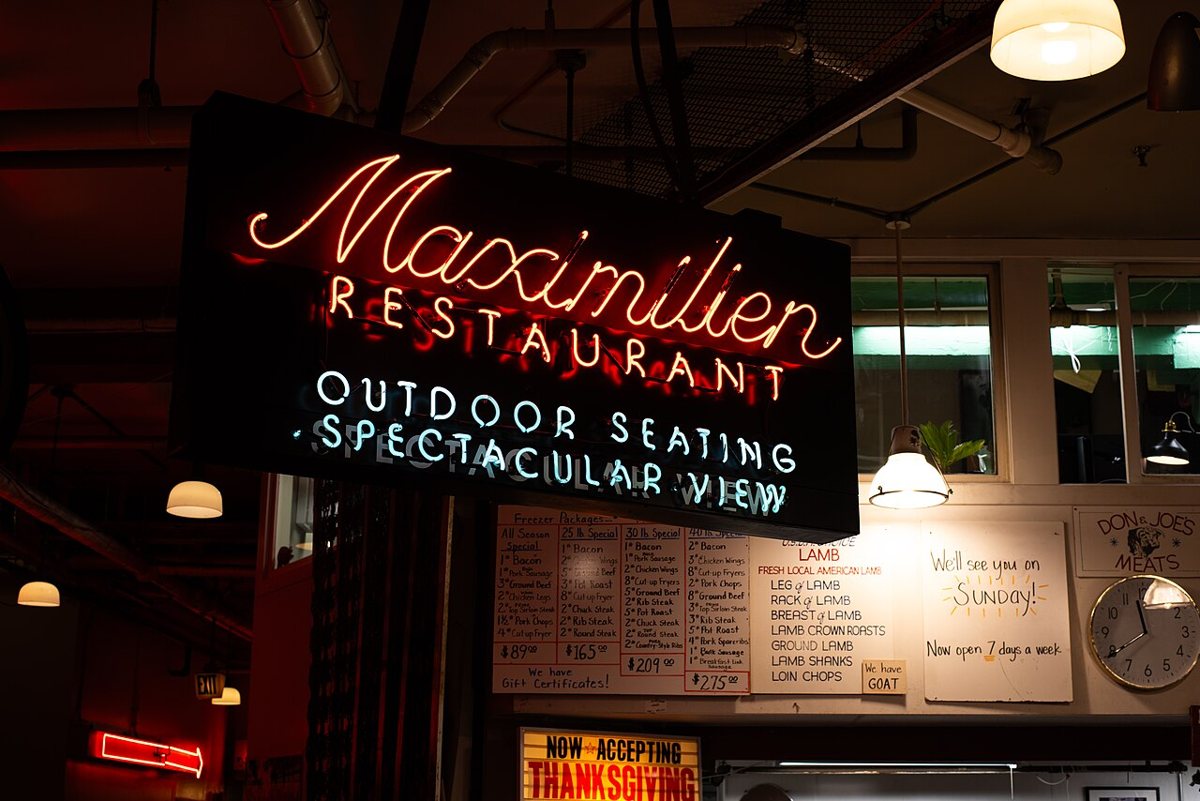
Pike Place Market is the obvious starting point and it deserves to be, provided you treat it as a market and not a photo backdrop. Underneath the fish-throwing spectacle that draws the cameras, there are three levels of stalls selling flowers grown in Skagit Valley, secondhand books, hot sauces from small producers, and produce that shifts with the season. The insider move is arriving before nine, while the vendors are still setting up and the aisles are walkable, then coming back at lunch for a completely different, more chaotic energy. Duck down the stairwells to the lower levels, where the market's odder shops, a coin dealer, a magic store, have operated for decades in relative anonymity. Look for the brass piggy bank near the main entrance, worn shiny by decades of hands, and the original neon sign overhead, a piece of signage that shows up in more tourist photos than almost anything else on the West Coast. Vendors rotate through stalls on a daily lottery system, which is part of why the mix never feels quite the same twice. It's in Downtown, hugging First Avenue.

From the market it's a short, steep walk down to the Seattle Waterfront, which has spent the last several years shedding its old viaduct-shadowed grimness for a more open promenade along Elliott Bay. Walk it toward the Olympic Sculpture Park, a free outdoor gallery run by the Seattle Art Museum where massive steel and stone pieces sit against a backdrop of container ships and, on a clear day, the Olympic Mountains across the water. It's one of the few genuinely great free things to do in Seattle that doesn't feel like a consolation prize. The art holds up, and the setting does half the work. Go at golden hour if you can manage the timing; the light off the water changes the whole mood of the place.

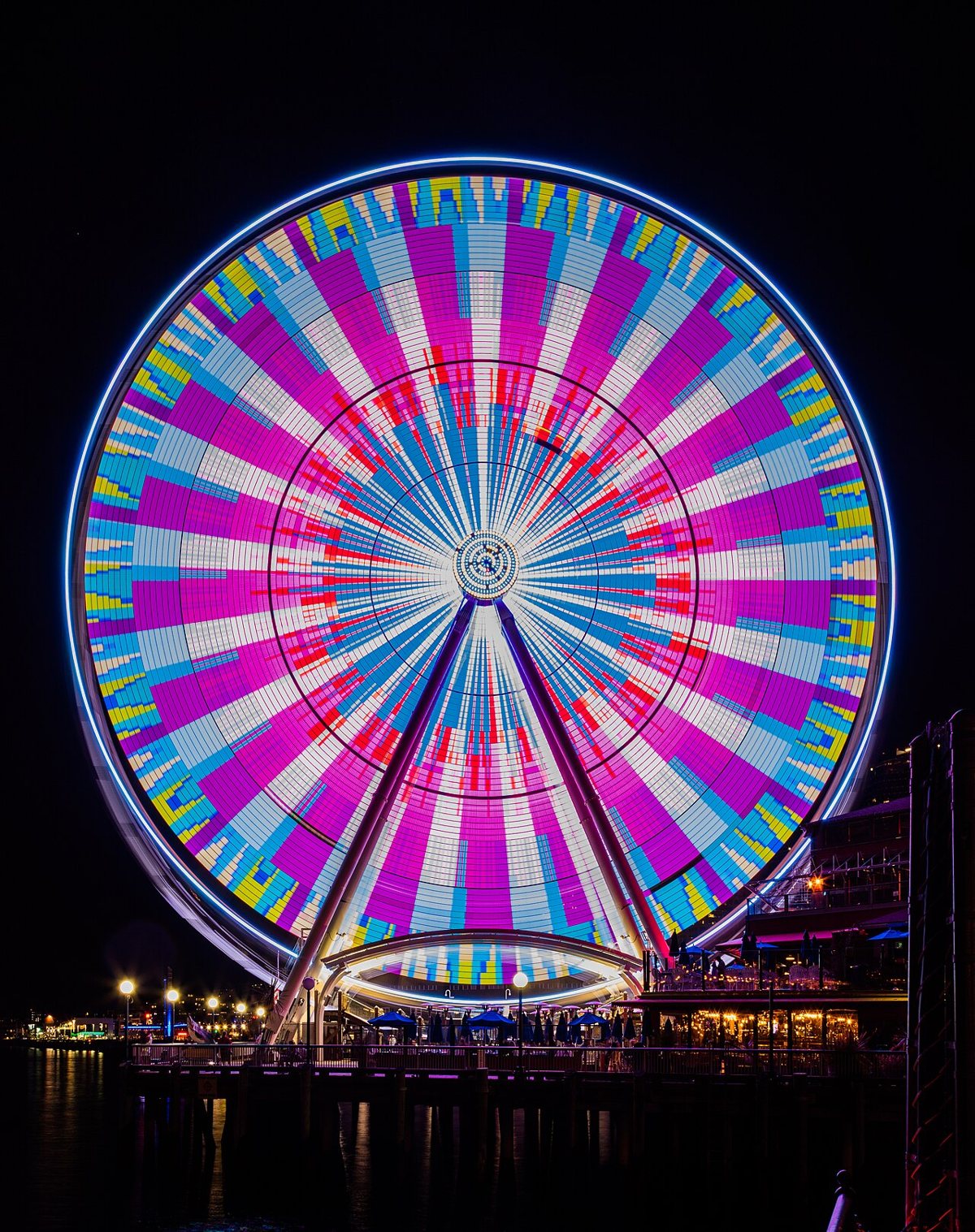
Also on the waterfront, and easy to fold into the same walk, the Seattle Great Wheel stands at the end of Pier 57, its glass-enclosed gondolas swinging out over the water for a slow rotation that gives a different angle on the skyline than any hillside park can. It runs after dark too, and the cabins lit up against the black water make for one of the better nighttime photographs in the city. Locals mostly ride it once, with visiting family, but that's not a knock. Check current hours before heading down, since the wheel sometimes closes for weather or maintenance.

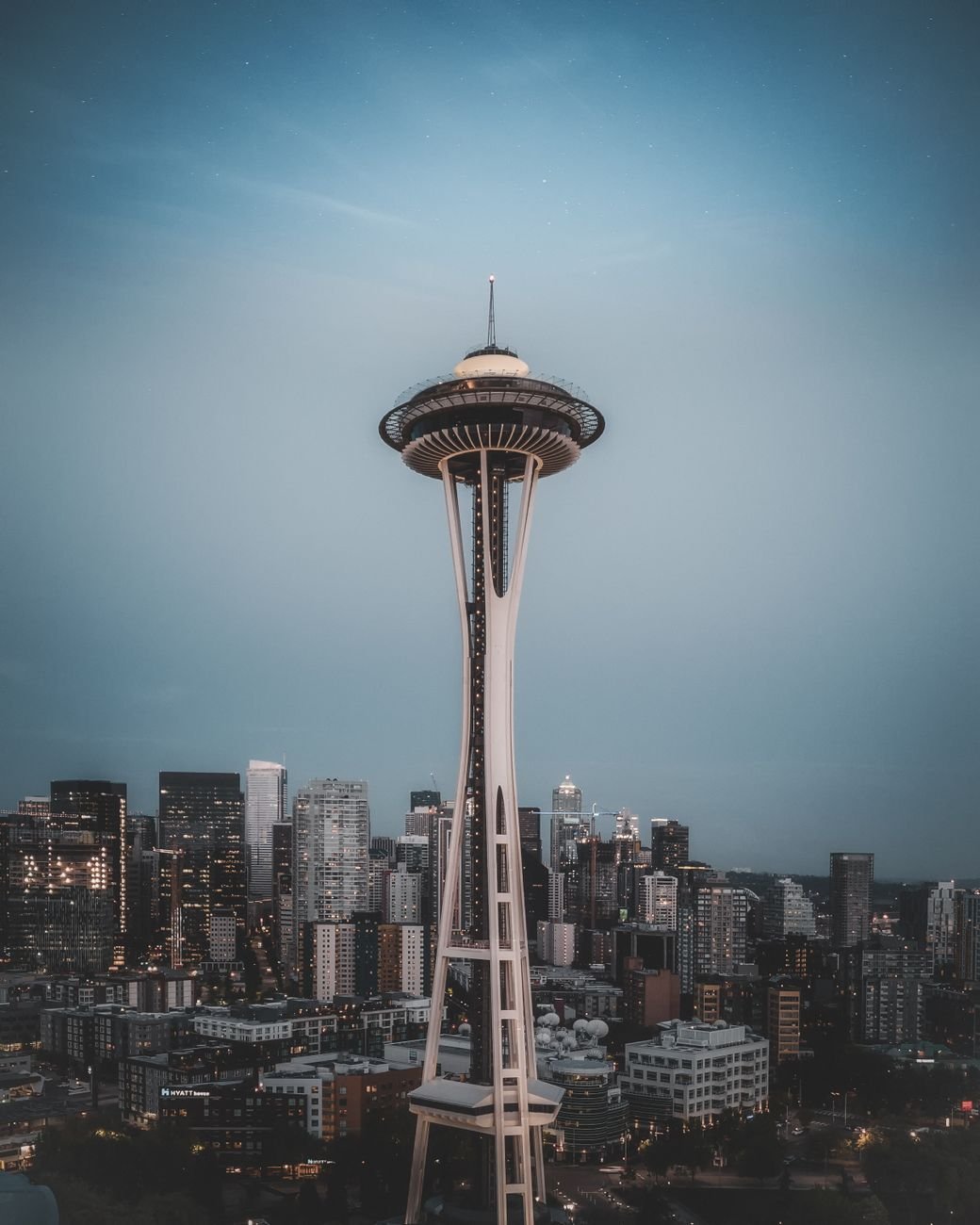
The Space Needle anchors the Seattle Center campus a few blocks north, and yes, you should go up it at least once, ideally on a day when the forecast is generous, because the view is the entire point and a socked-in sky will rob you of it. Buy timed tickets in advance and go either at opening or toward sunset, when the crowds thin and the city below starts lighting up. The rotating glass floor on the lower observation level is a genuine stomach-drop for anyone with a mild fear of heights, so plan accordingly if you're traveling with someone squeamish. Right next door, MoPOP, the Museum of Pop Culture, housed in Frank Gehry's crumpled-metal building, runs deep on music history, with rotating exhibits that have covered everyone from Jimi Hendrix, a Seattle native, to the grunge scene that came out of these same streets in the early nineties. Pair the two and you've covered a half-day easily. This whole cluster sits in the area sometimes called Uptown, just northwest of downtown proper.
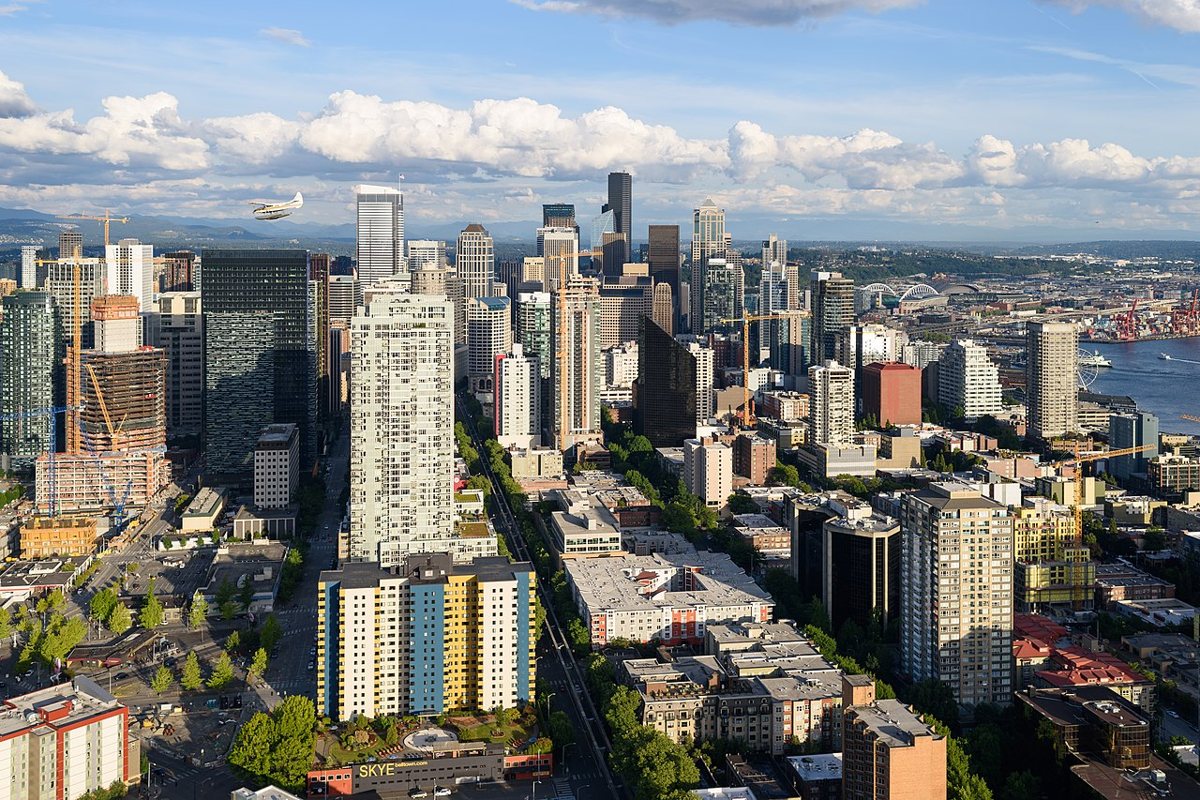

For a broader survey of the region's art, the Seattle Art Museum's main downtown location is worth a slower visit than most people give it, with strong holdings in Northwest Coast Native art alongside its global collection. It's an easy add-on to a downtown day and rarely feels overrun the way the Space Needle line can.
Chihuly Garden and Glass
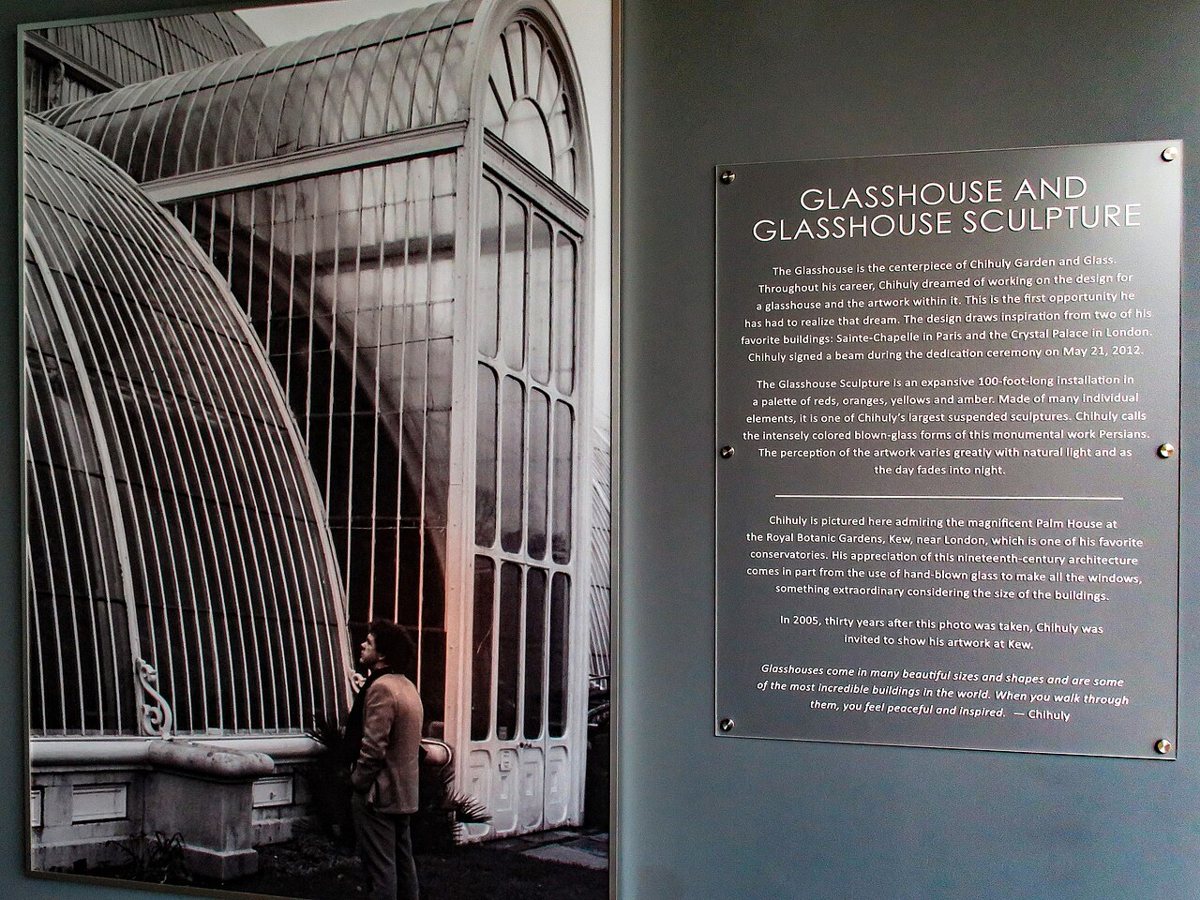
Also on the Seattle Center grounds, tucked close enough to the Space Needle that pairing the two takes almost no extra walking, Chihuly Garden and Glass gives an entire building and an adjoining garden over to the blown-glass sculptures of Tacoma-born artist Dale Chihuly. The centerpiece is a soaring glasshouse filled with a suspended garden of glass forms in reds and ambers, but the outdoor garden is the part that surprises people, glass sculptures planted directly among real ferns and Japanese maples so the boundary between the two blurs on purpose. Go on an overcast afternoon, which is most afternoons here, and the diffuse light through the glasshouse roof makes the colors read even more intensely than on a sunny day. It's a slower, quieter stop than the Needle line next door, and a good one to save for when you want a break from crowds without leaving the campus.

Queen Anne and the Parks That Give Seattle Its Views
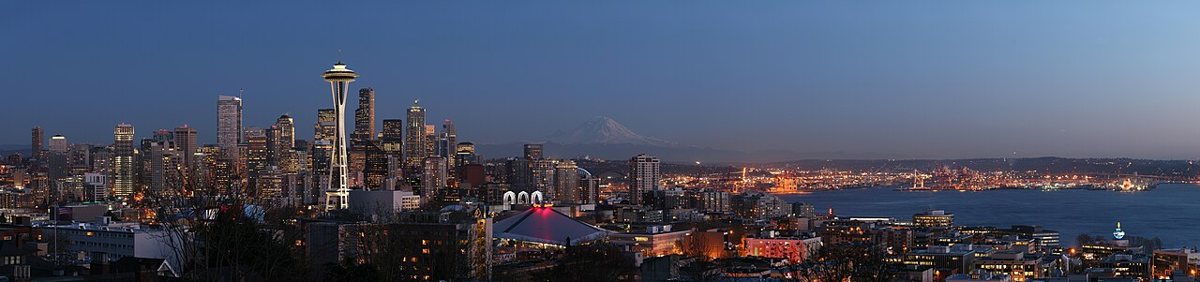
Kerry Park, tucked into the hillside on Queen Anne, is the view that ends up on every postcard and coffee-table book about this city, and it earns the reputation. From the small overlook you get the Space Needle, the downtown skyline, and, on the days the mountain is out, Rainier sitting enormous on the horizon like it's posing. It's a tiny park, easy to miss if you're not looking for it, and best visited near sunset when the light hits the buildings and the crowd is thin enough to actually find a spot at the railing. Locals will tell you the real trick is walking a block or two farther along the same ridge to Bhy Kracke Park, which stacks up the hillside in terraces and offers a similar skyline view with a fraction of the tripods.

Down at the base of the peninsula, Discovery Park is the largest green space in the city and feels almost willfully undersold, over five hundred acres of bluffs, meadows, and forest trails that end at a lighthouse on Puget Sound. It's the place locals go when they want to remember that Seattle is still, underneath the tech towers, a city wedged into a genuinely wild landscape. The loop trail down to West Point Lighthouse takes a couple of hours round trip and gets you sweeping views of the Sound and the Olympics without another soul in sight for long stretches, especially on a weekday. Bald eagles nest in the park most years, and the bluffs above the beach are actively eroding, dramatically enough that the park service reroutes sections of trail every so often, so stick to marked paths near the edges.

Fremont and Ballard: The Neighborhoods with Personality
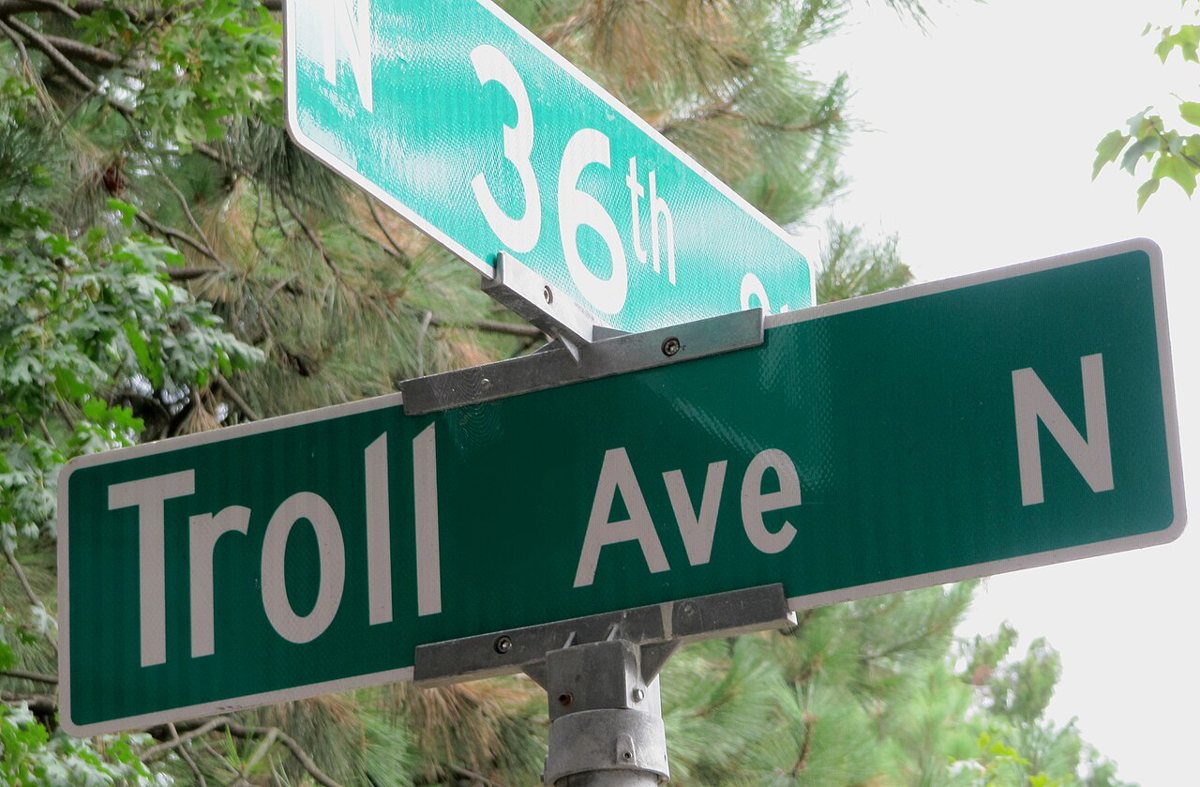
Fremont calls itself the Center of the Universe, mostly as a joke that's stuck around long enough to become a landmark in its own right. It's a walkable, slightly odd neighborhood of vintage shops, breweries, and public art with a sense of humor. A troll sculpture crouches under the Aurora Bridge, and a statue of Lenin, salvaged from Eastern Europe after the Cold War, stands at a busy intersection for reasons that make more sense the longer you live here. On Sundays the Fremont Sunday Market takes over the streets with vendors and food carts, and the neighboring flea-market stalls sell everything from vintage cameras to reclaimed door hardware. It connects directly to the Burke-Gilman Trail, the paved former rail line that threads along the water and makes for one of the better bike rides in the city.

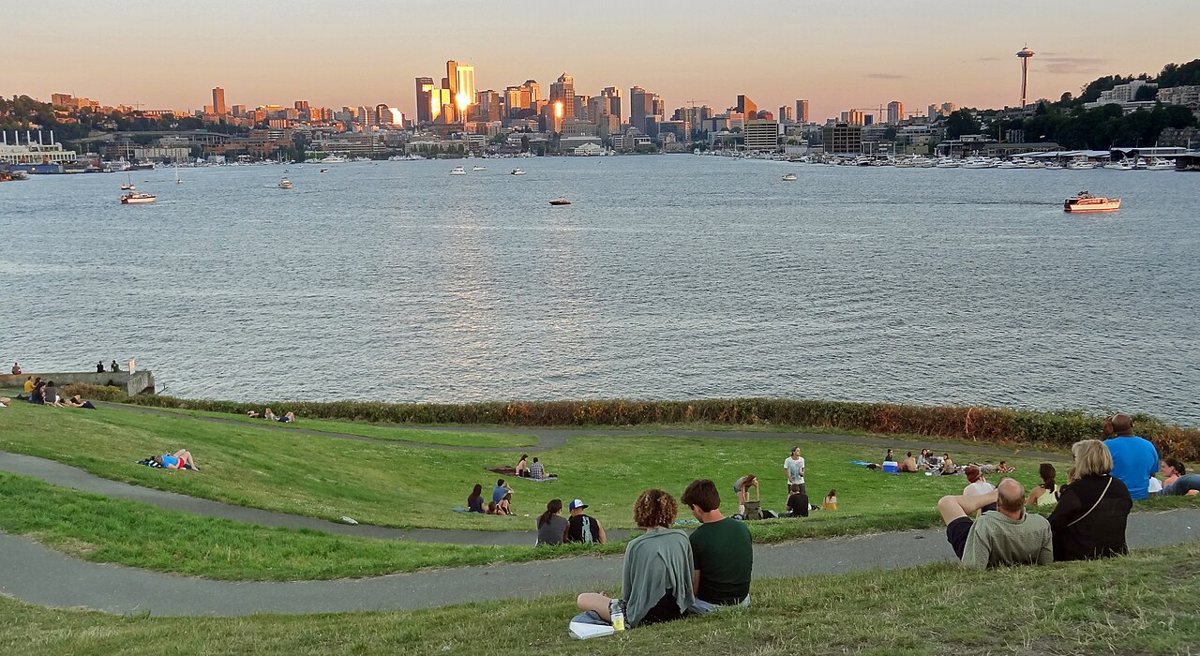
Just east of Fremont, Gas Works Park sits on the site of a decommissioned coal gasification plant, its rusted industrial towers left standing as sculpture rather than torn down. Locals climb the grassy hill at its center to fly kites, watch sailboats cross Lake Union, and catch the Fourth of July fireworks. It's an unusual park by any city's standard, equal parts eerie and beautiful, and it photographs best in the late afternoon when the light catches the old machinery.

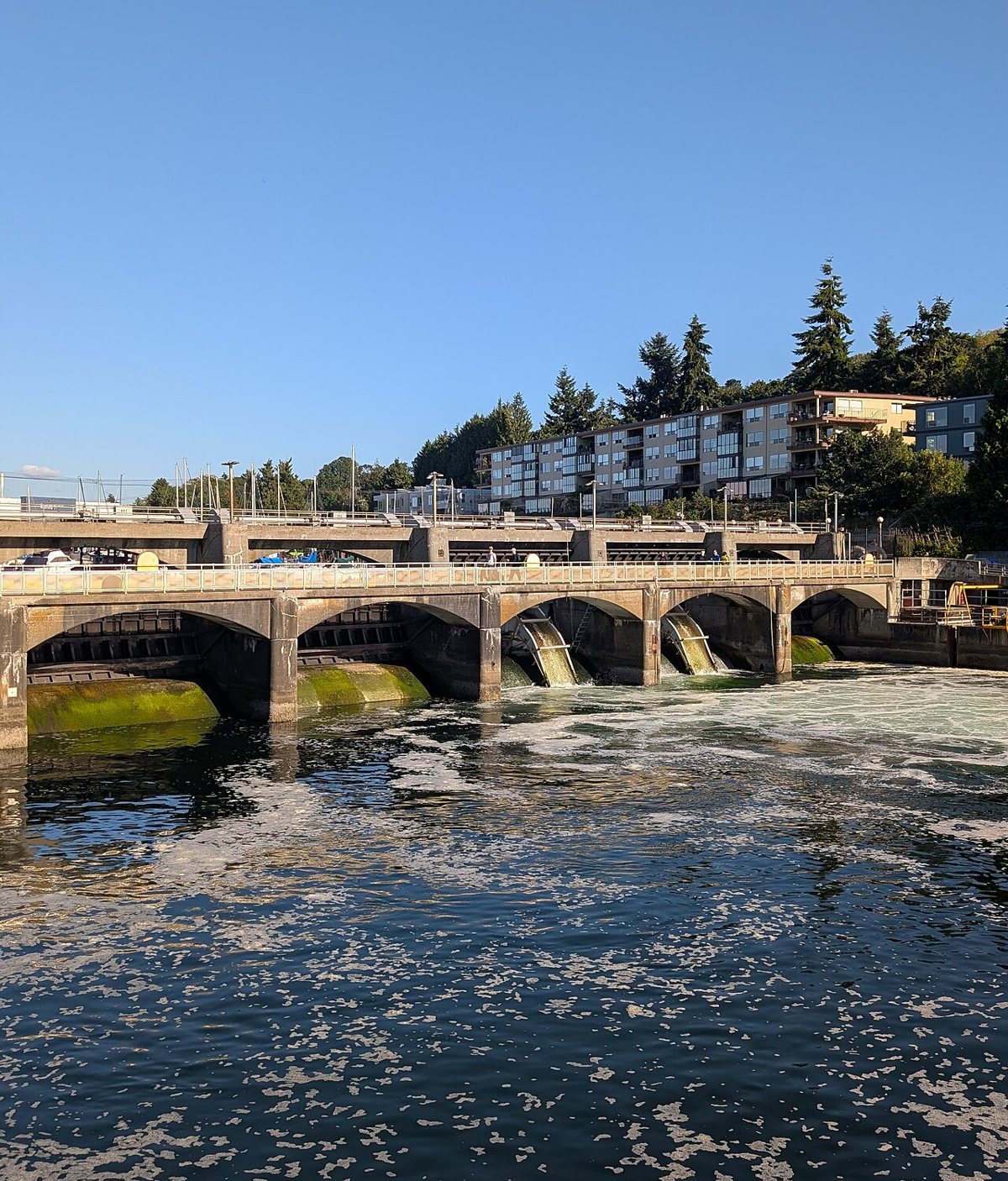
West of Fremont, Ballard carries its Scandinavian fishing-village roots more visibly than any other neighborhood in the city. Stop by the Ballard Locks, officially the Hiram M. Chittenden Locks, to watch boats rise and fall between the freshwater of the ship canal and the salt water of Puget Sound, and check the fish ladder window in season to see salmon working their way upstream. The botanical garden surrounding the locks is smaller and far less crowded than the crowds at the viewing windows, and it's worth the short detour on its own. Ballard Avenue, the historic core, is dense with breweries and restaurants that reflect the neighborhood's ongoing identity as one of the city's serious beer towns, and the Sunday farmers market there is one of the better ones in Seattle. It's worth combining with a stop at a proper Seattle coffee bar, since Ballard has no shortage of them.

Capitol Hill and Green Lake: Where the City Slows Down
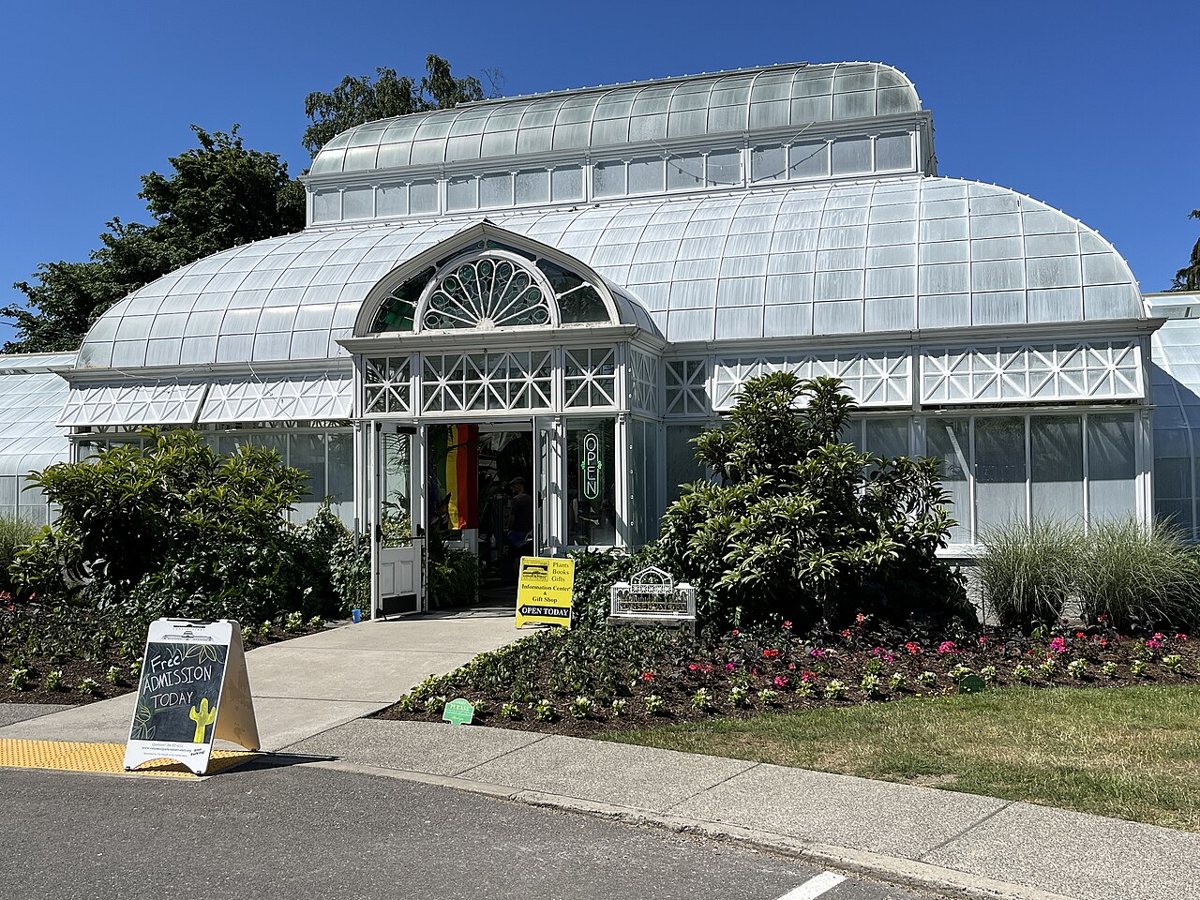
Capitol Hill is Seattle's LGBTQ+ and arts hub, dense with independent bookstores, live music venues, and a nightlife scene that runs later than most of the rest of this early-to-bed city. During the day it's just as worth wandering for its residential blocks of Victorian homes and Volunteer Park, home to the Seattle Asian Art Museum in its Art Deco building and a working conservatory full of tropical plants that feels like a small act of defiance against the climate outside. Climb the water tower in the park for another one of the city's underrated free views.

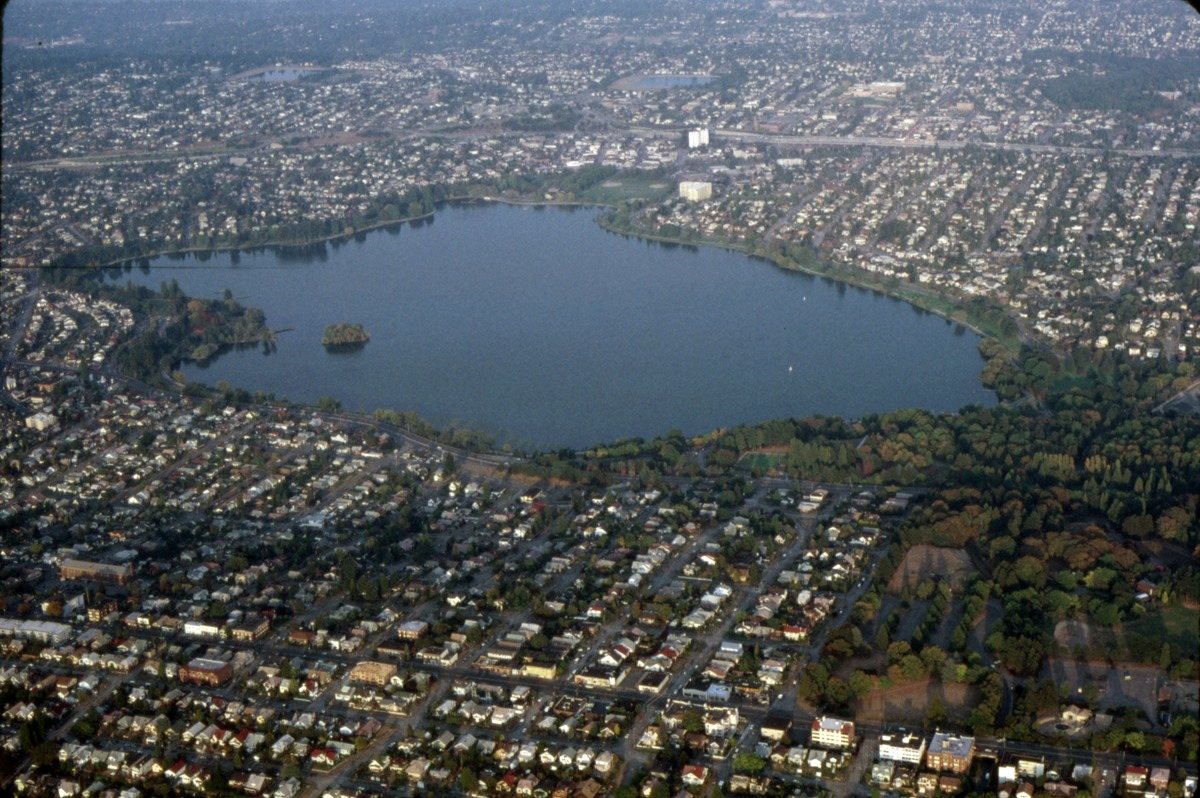
Green Lake, a couple of miles north, is where a huge share of the city seems to converge on any dry-ish weekend, a nearly three-mile paved loop around a small lake, packed with runners, rollerbladers, families, and paddleboarders renting from the boathouse on the water's edge. It's unglamorous in the best way, a genuine neighborhood park scaled up, and a walk around it gives a better read on daily Seattle life than most formal attractions will.

Woodland Park Zoo
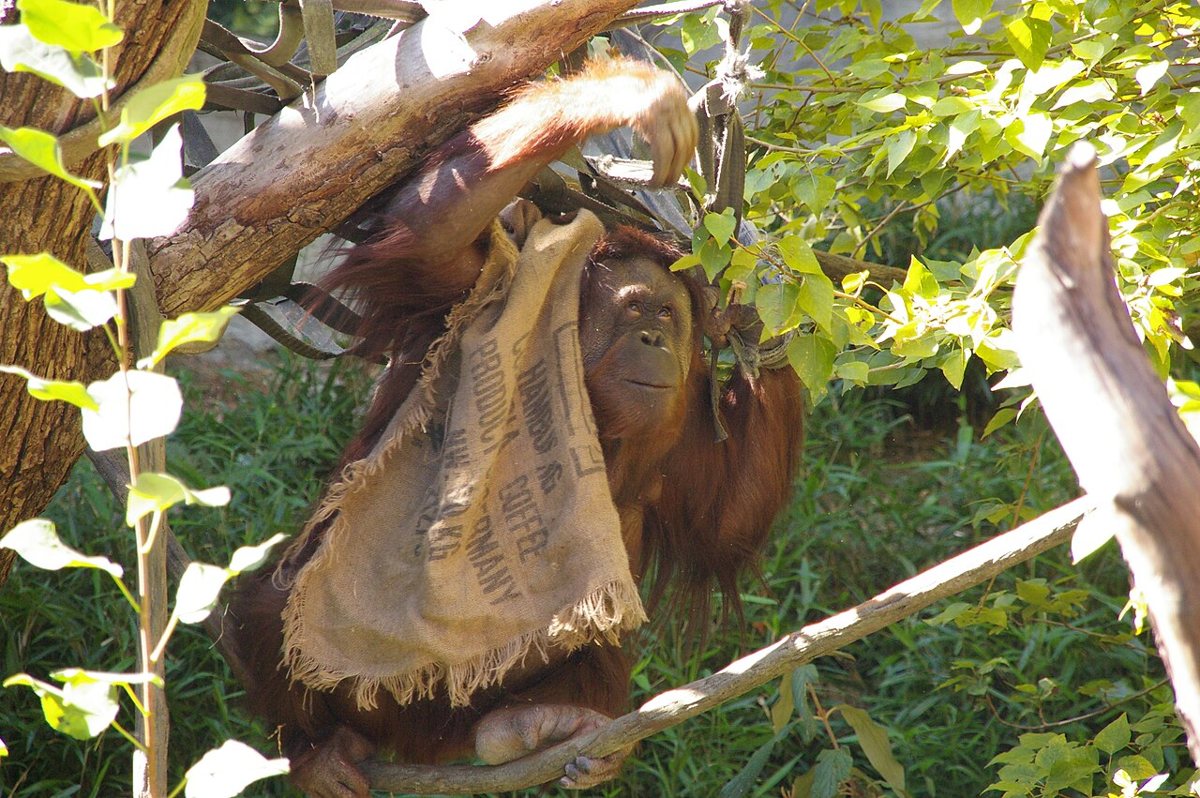
Just west of Green Lake, Woodland Park Zoo has spent decades reworking its enclosures into naturalistic habitats that group animals by ecosystem rather than species, so the African savanna area feels like a single sweeping landscape instead of a row of cages. The zoo's rose garden near the south entrance is a working demonstration garden in its own right, thick with blooms through the warmer months and worth ten minutes even if you're not there for the animals. Families tend to spend a full half-day here, and the tree-lined paths between exhibits offer shade that much of the rest of the city's attractions don't. Weekday mornings are noticeably calmer than weekend afternoons, when school groups and stroller traffic can back up the narrower paths.

More Things to Do in Seattle: Sports, Science, and the Rest
If the Mariners or the Sounders are in town, catching a game is one of the better ways to feel the city's civic pulse. T-Mobile Park's retractable roof means baseball happens rain or shine, and Lumen Field's crowd noise for the Sounders is genuinely loud enough to rattle the concourse. Both stadiums sit an easy walk from the International District, which is worth a wander before or after for its own dense concentration of good, unpretentious food.
For families or the science-curious, the Museum of Flight down by Boeing Field traces the region's aviation history with actual retired aircraft you can walk through, including a decommissioned Air Force One. It's a bit of a haul from downtown but a full and satisfying half-day, especially if you're traveling with kids who've exhausted the patience of every art museum on this list.
Alki Beach
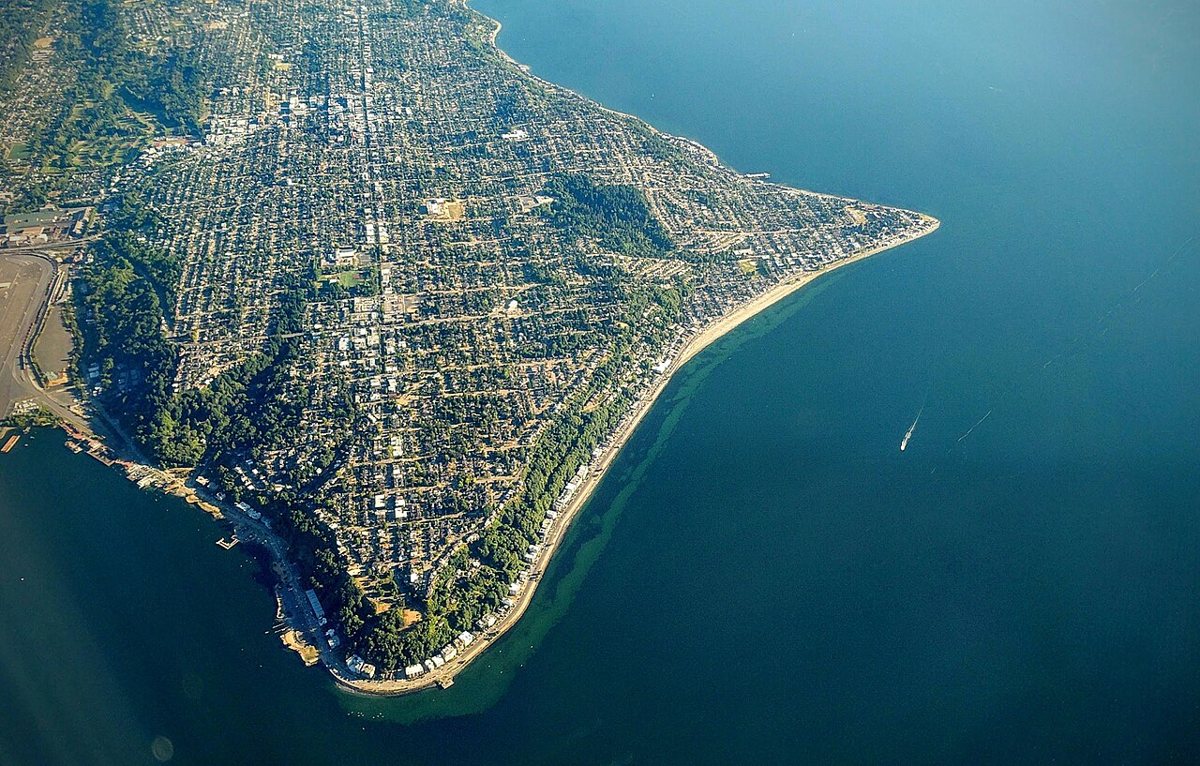
Across the water in West Seattle, reachable by water taxi from the downtown waterfront or by car over the bridge, Alki Beach runs for miles along Puget Sound with a boardwalk-style path popular with cyclists, joggers, and anyone chasing a sunset over the water. On a genuinely warm summer day it's the closest thing Seattle has to a Southern California beach scene, bonfire pits included in certain stretches, though the water itself stays cold enough year-round that swimming is more a dare than a plan. A small replica of the Statue of Liberty stands near the path, a leftover from a Boy Scout troop project generations back, and it's become an odd little local landmark. The view back across the water toward the downtown skyline and the Olympics beyond is one of the best skyline shots in the city precisely because so few visitors make the trip over.

Washington Park Arboretum
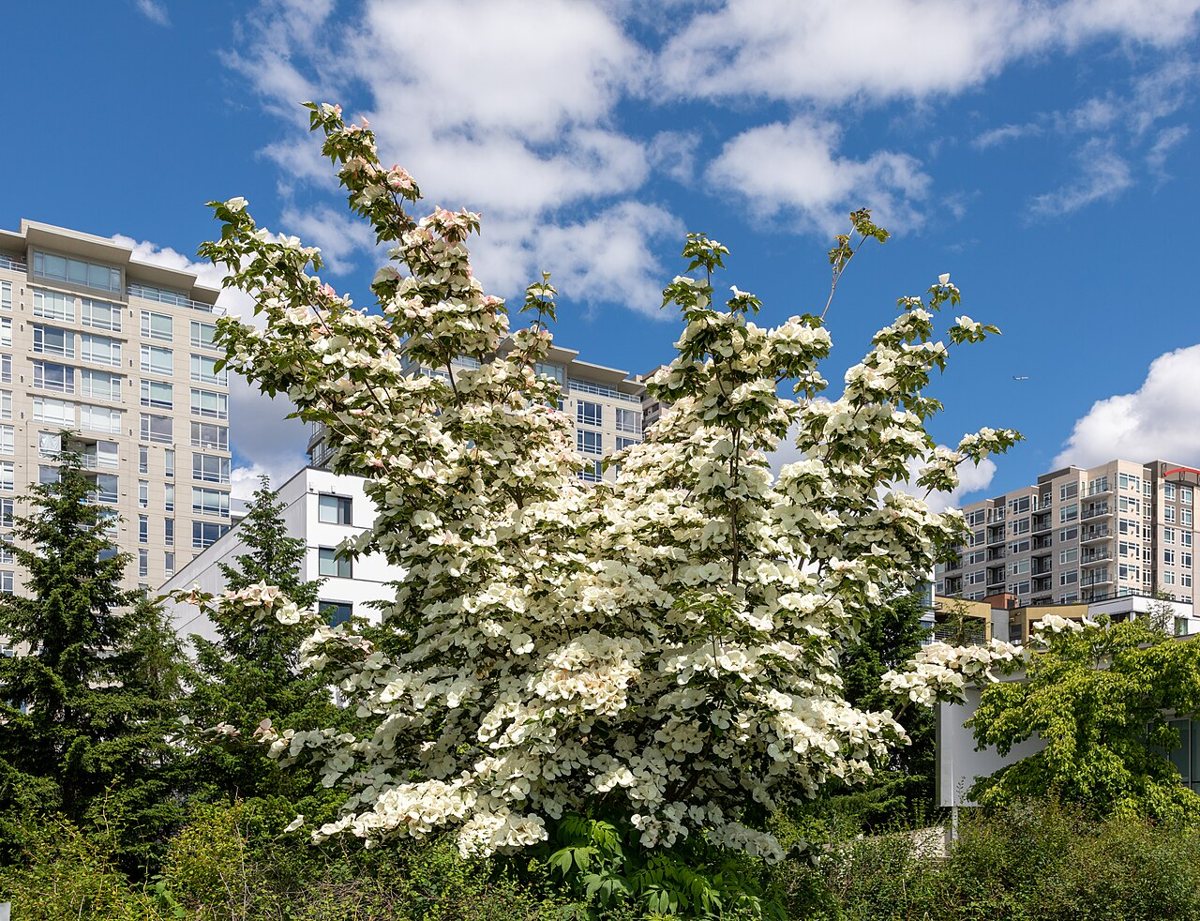
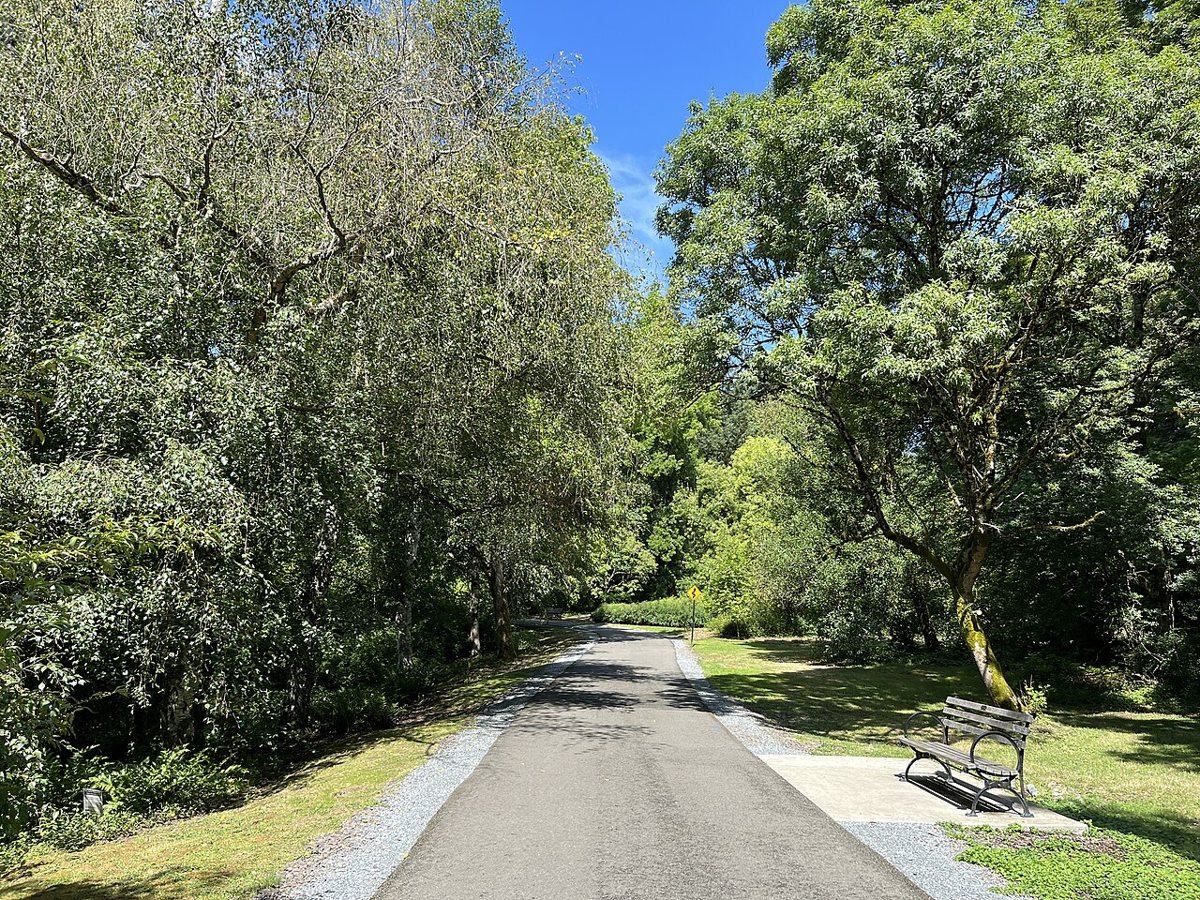
North of the Central District, straddling the shore of Lake Washington, the Washington Park Arboretum is a joint project of the University of Washington and the city parks department, and it reads less like a garden than a slow, deliberate forest planted over nearly a century. Paths wind through collections organized by plant family, and the arboretum's Japanese Garden, tucked in a separate walled section, keeps a formal koi pond and teahouse that feel transported from Kyoto. Spring brings the arboretum's dogwoods and rhododendrons into bloom in sequence over several weeks, and fall turns the maple collection into a slow-burning wall of color that draws photographers from across the region. It stays quieter than the city's more famous parks even in peak bloom, since most visitors don't think to look for it.

Getting Around, Timing It Right, and What's Free
Seattle's neighborhoods sprawl more than the compact downtown suggests, and hills separate them in ways that look shorter on a map than they feel on foot. The light rail connects the airport to downtown and up through Capitol Hill and the University District, which covers a decent chunk of this list without a car. For everything west toward Ballard and Fremont, buses or a rideshare are more realistic than walking, though the Burke-Gilman Trail is a genuinely pleasant way to bike between several of these neighborhoods if you don't mind a little exertion. West Seattle and Alki are their own small trek, and the passenger-only water taxi from downtown is usually faster and more pleasant than driving over during rush hour.
- Weekday mornings beat weekend afternoons almost everywhere on this list, especially at the market, the sculpture park, and the zoo.
- Layer up regardless of the forecast. The temperature swings more than the rain does, and locals dress for both without much fuss.
- Free or effectively free: the Olympic Sculpture Park, Kerry Park, Discovery Park, Gas Works Park, Green Lake, Alki Beach, the Washington Park Arboretum, the Ballard Locks grounds, and wandering Pike Place itself all cost nothing beyond your time.
- Check current hours and any admission fees before heading to ticketed spots like the Space Needle, MoPOP, Chihuly Garden and Glass, the Seattle Great Wheel, Woodland Park Zoo, or the Museum of Flight, since these shift seasonally.
What ties all of this together isn't a checklist so much as a rhythm: a city that would rather hand you a good trail or a working fish ladder than a monument built to be photographed. The people who live here plan their weekends around the tide of the farmers markets and whether the mountain decides to show itself, and a visitor who follows that same logic, instead of racing between landmarks, ends up seeing more of what things to do in Seattle actually means day to day. Skip nothing on this list entirely, but don't be afraid to let one neighborhood eat an entire afternoon. That's how the city is meant to be used, and it's worth pairing a day of walking with an evening spent at a proper seafood dinner in the city, because by then you'll have earned it.