Best Italian Restaurants in Seattle, Tried and Tested
Seattle's Italian restaurant scene rewards patience and skepticism. Here's how to find the spots that actually cook.
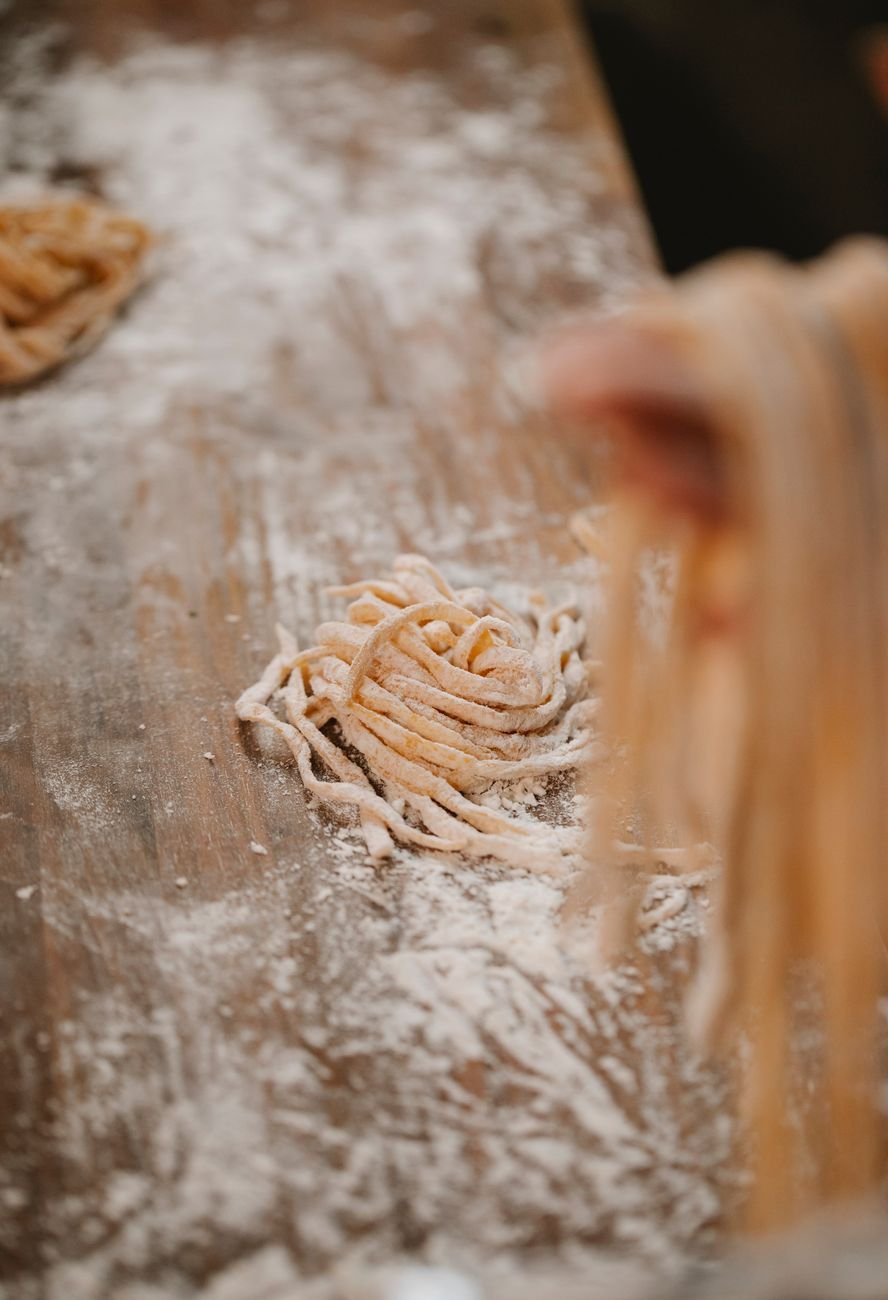
There's a particular kind of disappointment that comes with paying thirty dollars for a bowl of pasta that tastes like the jar. Seattle knows this feeling, and it shapes any honest search for the best italian restaurants in seattle. The city has more Italian places per square mile than you might expect, and a meaningful fraction of them coast on candlelight and a Sinatra playlist. The good ones, where someone is actually making pasta by hand and the sauce has been reduced long enough to matter, are worth the trouble of finding. Knowing how to tell the difference is the whole point.
What the Best Italian Restaurants in Seattle Have in Common
Before neighborhoods, before price points, the baseline question is whether a kitchen takes the fundamentals seriously. Fresh pasta is the clearest signal. When a restaurant makes its own tagliatelle or pappardelle in-house, it usually means someone back there cares about texture in a way that dried pasta, however good the brand, can't fully replicate. That's not snobbery, it's physics. Fresh egg pasta holds sauce differently, absorbing it rather than deflecting it.
The second marker is sourcing. Seattle sits surrounded by extraordinary ingredients: Dungeness crab, local clams, mushrooms from the Cascades, produce from the Skagit Valley. The Italian restaurants that take the city seriously use them. A simple linguine alle vongole made with Puget Sound clams is a different dish than the same recipe made with whatever arrived frozen from the coast. You can taste the difference, and the good kitchens know it.
Third, the wine list should reflect some actual knowledge of Italian regions, not just Pinot Grigio and Chianti as categorical gestures. If a restaurant can walk you through the difference between a Barolo and a Barbaresco, or has a Sicilian red you've never heard of, that's a kitchen and front-of-house working in the same direction.
How Seattle's Neighborhoods Shape the Scene
Capitol Hill has the density and the late-night culture to support serious Italian cooking, and the neighborhood's restaurant scene has always skewed toward independent operators willing to take risks. You'll find spots there that lean into the Roman tradition, cacio e pepe done correctly, carbonara that doesn't involve cream, alongside newer places experimenting with regional Italian cooking that goes beyond the Tuscany-or-Sicily binary most Americans recognize.
Fremont, with its long-standing tolerance for eccentricity and its relatively stable neighborhood identity, has supported Italian restaurants that don't need to chase trends. The pace is slower, the crowds more local, and the kitchens tend to be run by people who've been cooking the same things for years because they've figured out how to do them well. Institutional knowledge like that shows up in the food.
Ballard's fishing-village history makes it a natural home for seafood-forward Italian cooking, and some of the better spots in the neighborhood lean into that. A cioppino with local fish, a clam-heavy linguine, a halibut prepared with care, these dishes make more sense in Ballard than almost anywhere else in the city, because the ingredients don't have far to travel.
Queen Anne and the South Lake Union corridor are harder territory. The clientele there skews toward expense-account dining, which can produce technically competent but emotionally inert food. There are exceptions, but the incentive to coast is higher when the check is being expensed regardless.
What to Order, and What to Skip
Pasta is the clearest test of a kitchen's seriousness, so order it. A simple preparation will tell you more than a complicated one. If the kitchen does a good cacio e pepe, just pecorino, Parmigiano-Reggiano, black pepper, and pasta, that's a better sign than an elaborate braised short-rib ragu that can hide mediocre pasta under a powerful sauce. Simplicity is where kitchens can't hide.
Antipasti are worth attention too. A good burrata with something seasonal, a plate of properly cured meats, roasted vegetables that taste like they were cooked with intention rather than obligation, these set the tone. If the bread arrives warm and the olive oil is actually good, that's not an accident.
Skip the chicken parmesan unless the restaurant clearly does it on purpose, as a knowing nod rather than a concession to crowd-pleasing. The same goes for fettuccine Alfredo. These dishes aren't bad in themselves, but in a serious Italian kitchen they're usually not the point.
For pairing, ask the server what's working together that night. A restaurant with a thoughtful wine program will have an answer. One that doesn't might hand you a laminated list and walk away.
A Note on Pizza
Seattle's pizza scene has matured considerably over the past decade, and some of the best Italian cooking in the city happens to come on a round of dough. Neapolitan-style pizza, made in a wood-fired oven, blistered, slightly wet in the center, has found real practitioners here, and a few of them are as good as you'd find in any American city. A wood-fired margherita made with good mozzarella and quality canned tomatoes is, technically and spiritually, Italian cooking. Don't be snobbish about format.
The Thing About Seattle and Italian Food
The city's relationship with Italian cuisine is complicated by the same thing that complicates most of Seattle's food scene: the gap between what the city thinks it is and what it actually is. Seattle considers itself a food city, and in many respects it is, since the seafood here is extraordinary, but the Italian tradition doesn't have the deep roots here that it does in, say, New York's outer boroughs. There's no historic Italian neighborhood to anchor the cooking culturally. What exists instead is a collection of restaurants built by people who trained elsewhere, traveled seriously, or simply decided to learn how to do this right.
That's not a weakness. It means the best Italian restaurants in Seattle are there because someone chose to be serious, not because they inherited a tradition they couldn't escape. And you can find them, if you know what to look for: fresh pasta, local sourcing, a wine list that has opinions, and a kitchen that treats a simple dish as a reason for pride. The pasta scene specifically has grown enough in recent years that the bar is genuinely higher than it was a decade ago. That's worth something. Order accordingly.