Best Things to Do in Seattle: A Local's Guide
Eighteen years of covering this city taught me the icons are worth it, the neighborhoods matter more than the checklist, and nobody who lives here has bought fish at Pike Place since childhood.
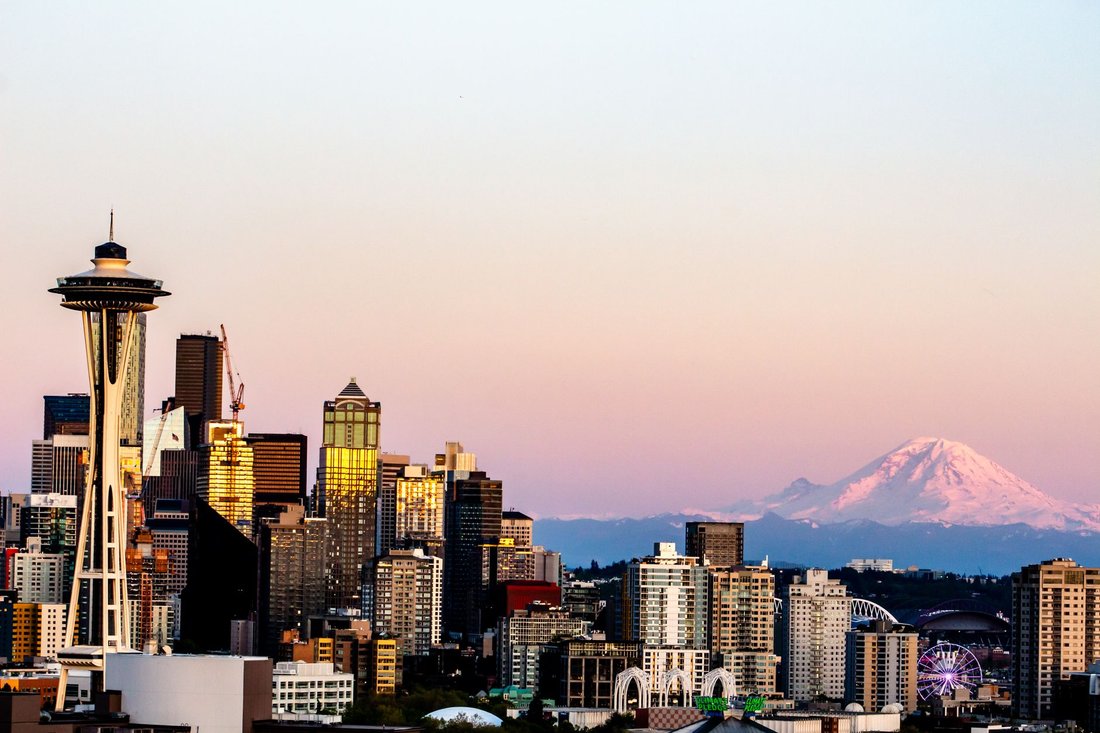
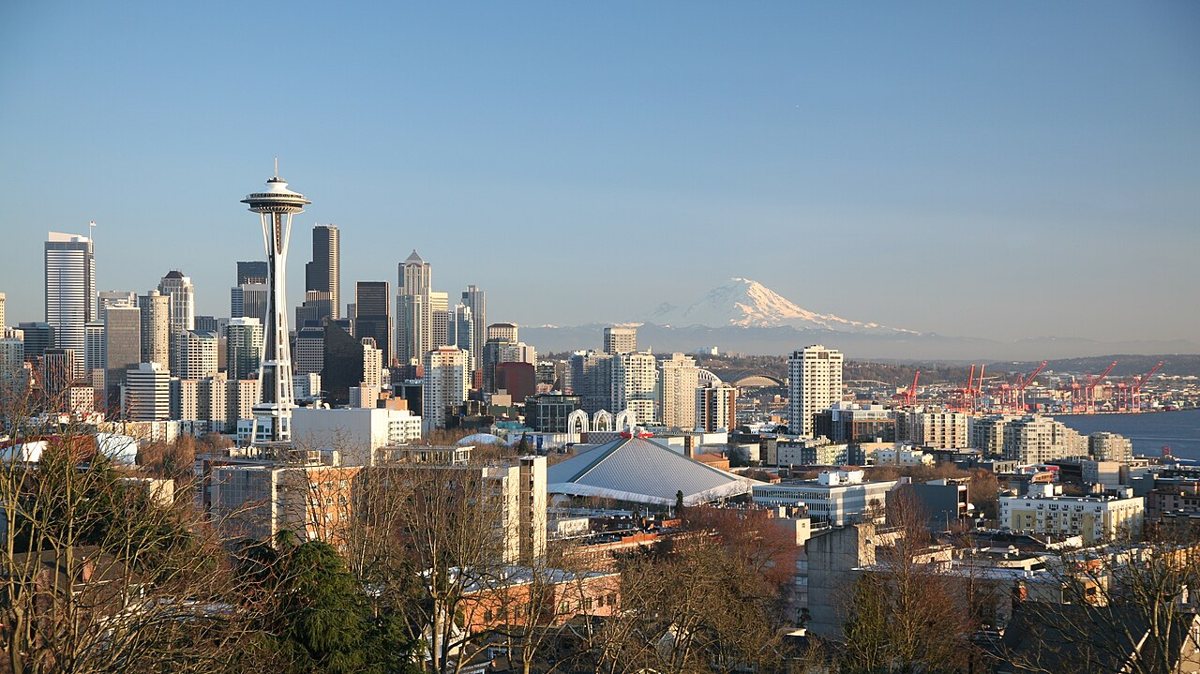
On a clear Tuesday morning, the best view in Seattle belongs to a dog walker, a late barista, and me, standing on the concrete terrace at the top of Highland Drive with a cooling cup of coffee. Mount Rainier is out (locals just say the mountain is out, the way people elsewhere mention the weather), hanging pink and enormous over the skyline like it showed up specifically to make the Space Needle look modest. This is Kerry Park before the tour vans arrive, and it's about as honest an answer to best things to do in Seattle as exists: free, unhurried, and better with repeat visits than as a single bucket-list stop.
Eighteen years of writing about this city for a living have taught me that Seattle rewards patience and punishes checklists. The rain isn't a plot against you (locals barely notice it after October), the salmon-tossing crew at the market is a small fraction of what's actually good here, and the neighborhoods matter as much as the landmarks. What follows is the guide I'd actually hand a friend visiting for the first time: the icons that earn their reputation, the parks locals use every weekend, the museums worth the walk, and the neighborhoods that reward wandering without an itinerary.
The Best Things to Do in Seattle When You Want the Icons
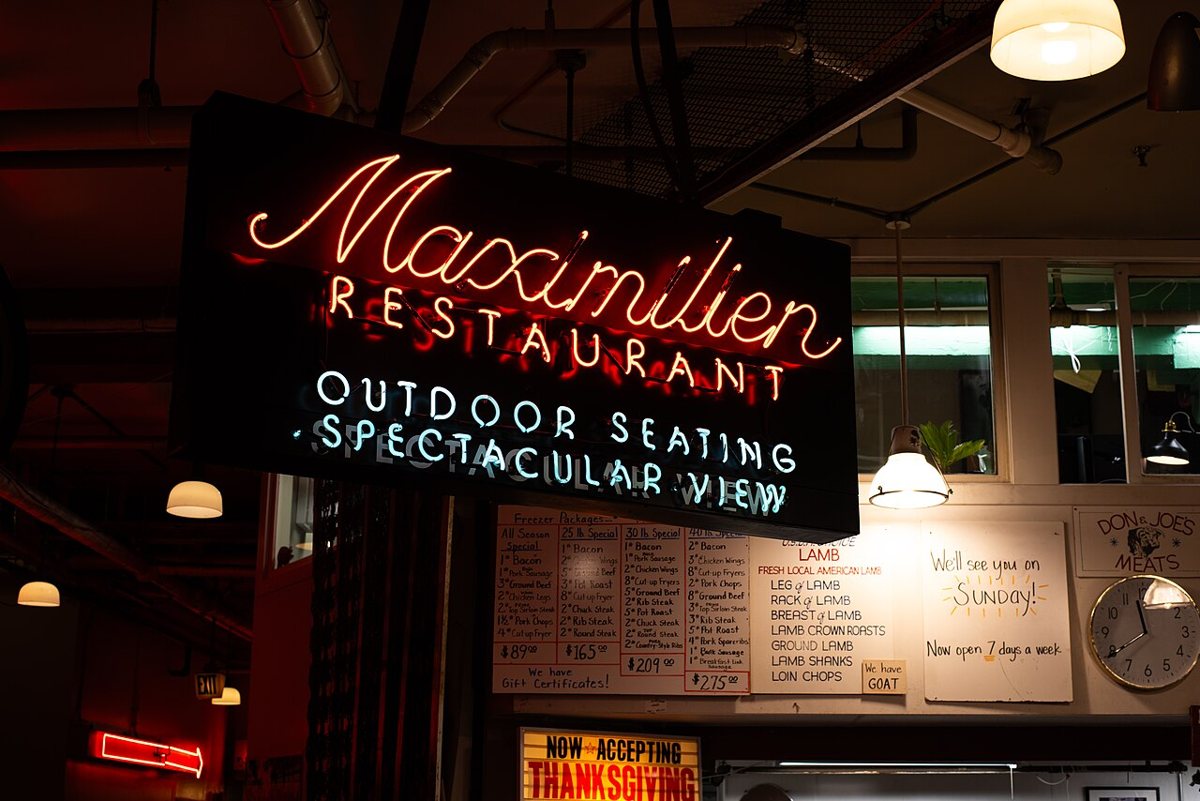
Start with Pike Place Market, but go for the right reasons. Yes, the fishmongers still throw the occasional salmon for a crowd, and that's fine as spectacle, but the market's actual value is underneath and behind that main arcade: the produce stalls run by the same farming families for generations, the flower stands selling dahlias by the armload for less than a bouquet costs anywhere else, the DownUnder level with its coin shops and army surplus oddities, and Post Alley curling behind it all. Go early on a weekday, before the cruise-ship crowds arrive, and you'll see the market the way it functions for people who live here: as a grocery store, not a photo backdrop.

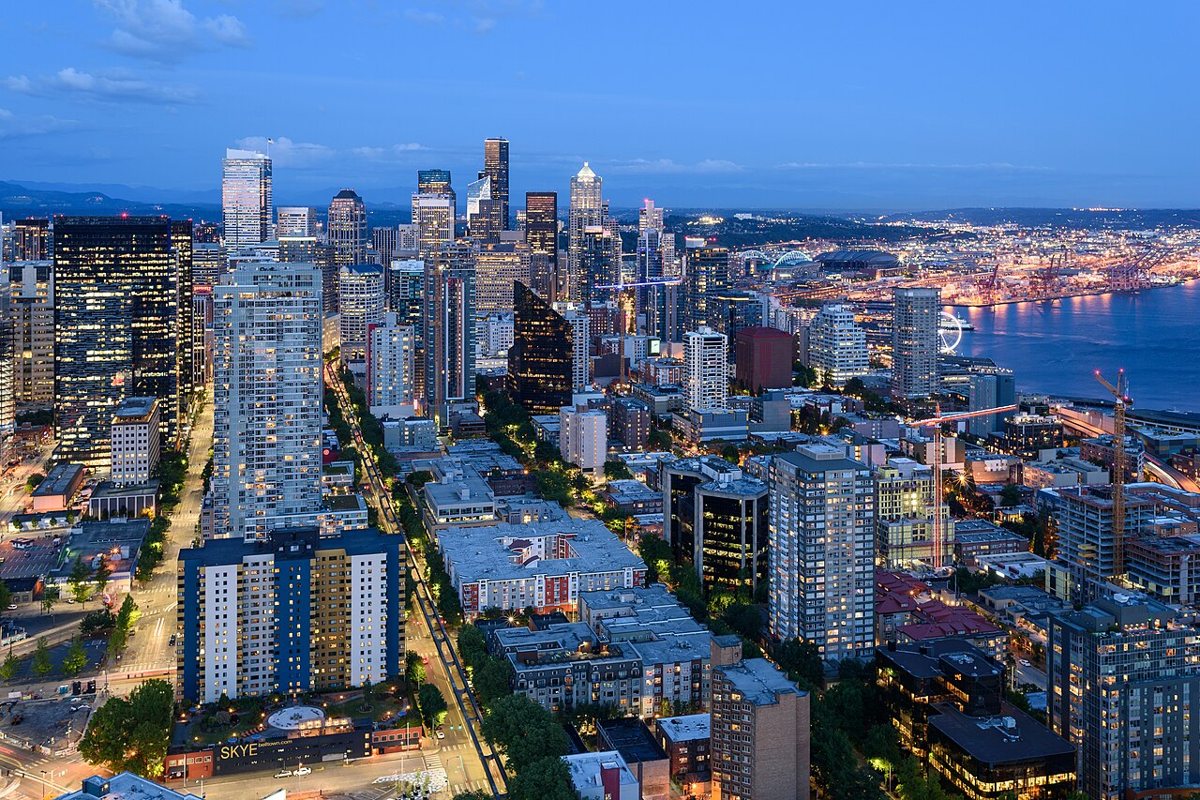
The Space Needle earns its skepticism from locals who haven't been up since a school field trip, and also earns its ticket price for everyone else. The rotating glass floor and the open-air observation deck give you the one view of the city that actually makes sense of its geography: two bodies of water, a ring of mountains, and downtown wedged onto the isthmus between them. Go at golden hour if you can time it, when the Olympics catch the light to the west and the ferries look like toys crossing Elliott Bay. It sits inside Seattle Center, so pair it with a walk through the fountain plaza, which still draws kids on hot days despite the drizzle-friendly reputation of the city around it.

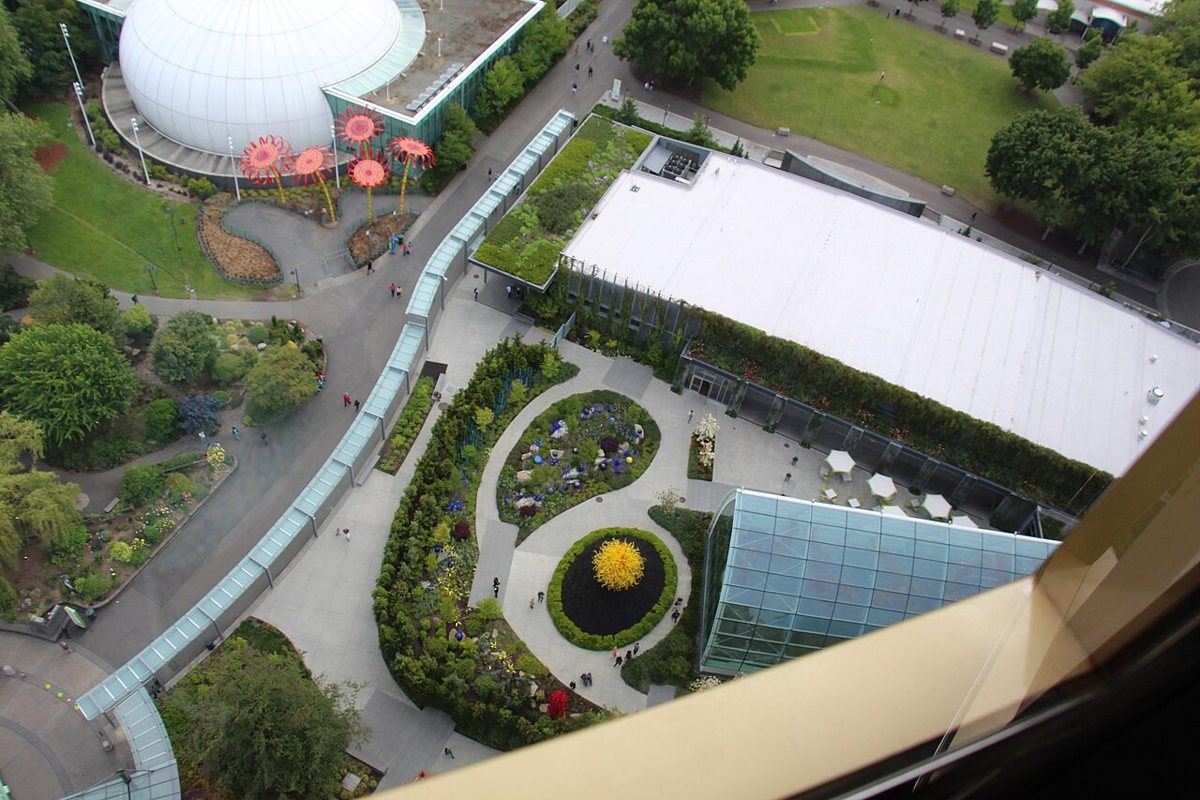
Chihuly Garden and Glass sits at the base of the Needle and gets overshadowed by its neighbor, which is a mistake. Dale Chihuly is a Tacoma native and University of Washington alum, and this is the best single showcase of his work anywhere, glass forms lit from within in colors that don't occur naturally, arranged through a series of galleries that open onto an outdoor garden where the sculptures sit among actual plants. The Glasshouse, a suspended structure filled with a massive red-and-amber glass sculpture, is worth the visit by itself. Go in late afternoon when the outdoor garden catches direct light through the glass pieces.

Then there's Kerry Park, the view I opened with, which deserves a second mention because most visitors treat it as a five-minute stop instead of the destination it actually is. It's a small terraced park on Queen Anne Hill, no admission, no gift shop, just a railing and a framed view of downtown, the Needle, and the water beyond. Sunset is the famous time to go, and it earns the crowds it gets then, but early morning is better if you want the bench to yourself and a shot at seeing the mountain clearly, since Rainier tends to hide behind haze as the day warms up.

Parks and Water: Where Seattle Actually Spends Its Weekends
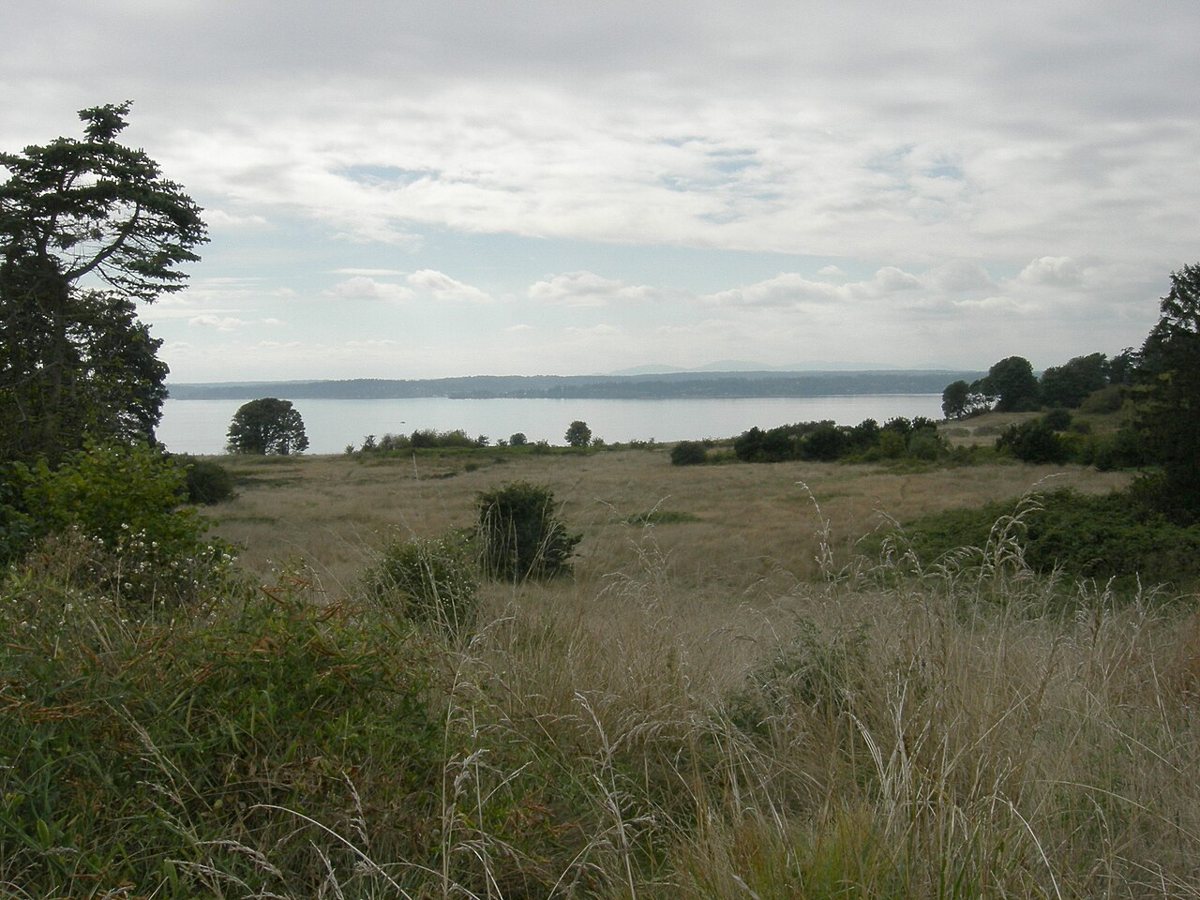
Discovery Park, out at the tip of Magnolia, is the largest park in the city and feels like it belongs to a different, wilder coastline. Old-growth forest gives way to bluffs and a two-mile loop trail that ends at a working lighthouse and a beach where harbor seals sometimes haul out. Discovery Park is where Seattleites go to remember they live next to actual wilderness, not just a green city with good bike lanes. Wear real shoes, since the bluff trail down to the lighthouse is steep enough to matter, and check current park hours before you go, as gates close earlier than you'd expect for a park this size.

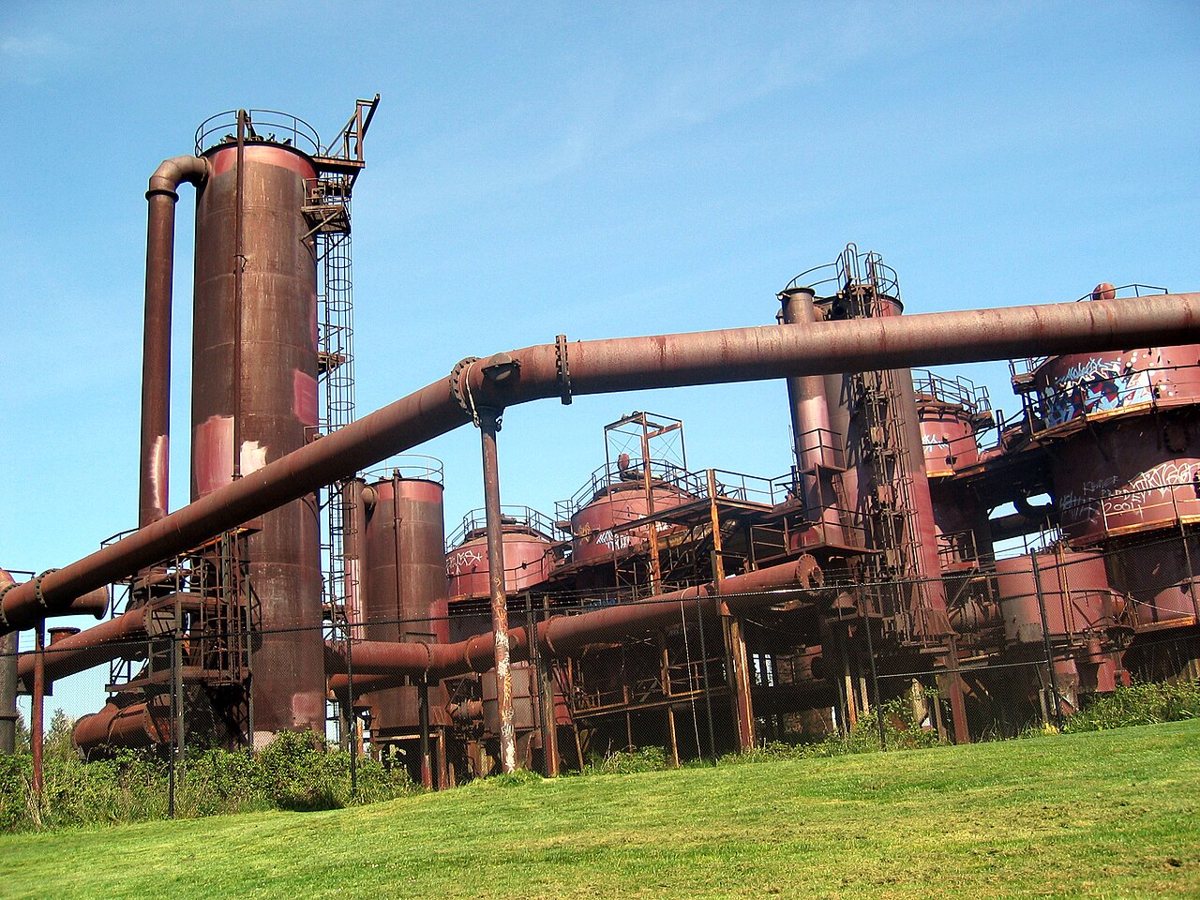
Gas Works Park is the strangest and most photographed park in the city, and it earns both distinctions. It's a decommissioned gasification plant on the north shore of Lake Union, its rusted industrial towers left standing and repurposed as a kind of accidental sculpture garden, with a grassy hill built over the old boiler house that gives one of the better sunset views in Seattle over the water toward downtown. Bring a kite if there's wind, bring a blanket if there isn't, and budget time to walk the paved path along the water, which connects to the Burke-Gilman Trail in both directions.

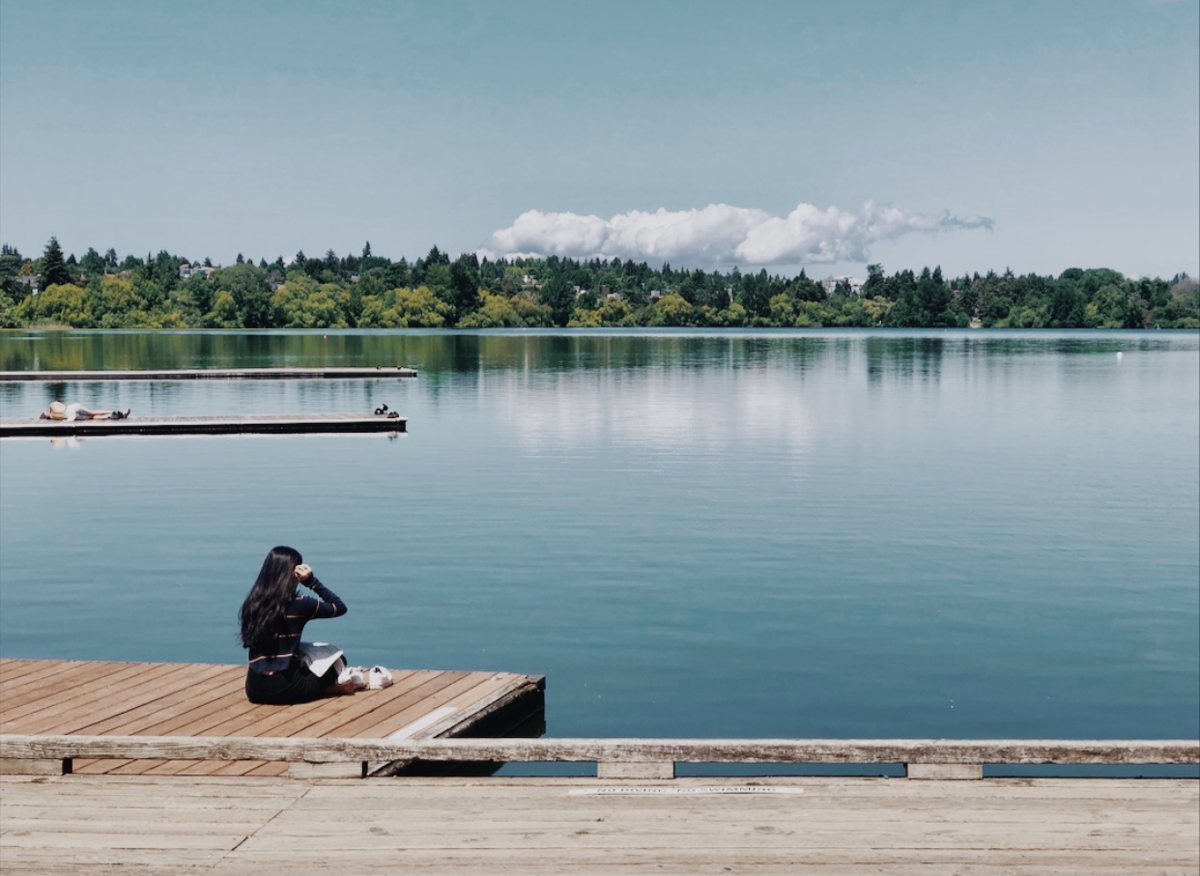
Green Lake does double duty as the city's most-used park and its clearest window into daily Seattle life. The three-mile paved loop around the lake stays busy morning to night with runners, dog walkers, families on rented paddleboards, and the occasional unicyclist, because this is a city that takes its outdoor recreation seriously even under gray skies. Rent a canoe or paddleboard from the boathouse on the east side if the water looks inviting, or just do the loop once and watch how a neighborhood organizes its whole life around a single park.

The Olympic Sculpture Park, run by the Seattle Art Museum but outdoors and free year-round, occupies a stretch of waterfront just north of downtown that used to be an industrial fuel site. Now it's a zigzagging path through large-scale outdoor sculpture, Alexander Calder's orange Eagle the most photographed piece among them, with Elliott Bay and the Olympic Mountains as a rotating backdrop. It connects directly to the waterfront path, making it an easy add-on to a downtown walk rather than a separate destination.
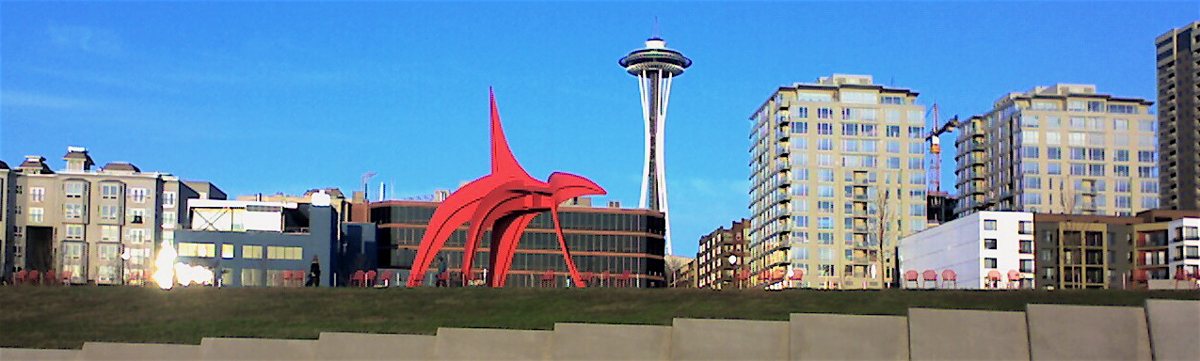

For something slower, the Washington Park Arboretum in Montlake spreads 230 acres of collected trees and native plantings along the shore of Lake Washington, connected by trails and, in spring, genuinely worth the trip for the flowering cherry and rhododendron displays. It's less about a single view and more about the kind of quiet that's hard to find closer to downtown. The Burke-Gilman Trail, meanwhile, is the connective tissue for half these outdoor recommendations, an old rail line converted to a paved path that runs from Ballard through Fremont and the university district out toward the eastside, and renting a bike for even a few miles of it is one of the better ways to feel the city's geography instead of just reading about it. Alki Beach in West Seattle deserves a mention too, a genuine sand beach with a boardwalk and a view back across Elliott Bay, close enough to a real coastline vibe that people forget they're still in city limits.
Museums and Culture, Beyond the Postcard
The Seattle Art Museum downtown, known locally as SAM, covers a broad collection without pretending to be encyclopedic, strong on Northwest Coast Native art, African art, and a rotating slate of contemporary exhibitions that tend to be genuinely well chosen rather than crowd-pleasing filler. It's an easy pairing with a downtown or waterfront day, and many museums in the city offer a free or discounted evening on some regular basis, which is worth checking current schedules for if you're trying to stretch a visit's budget.
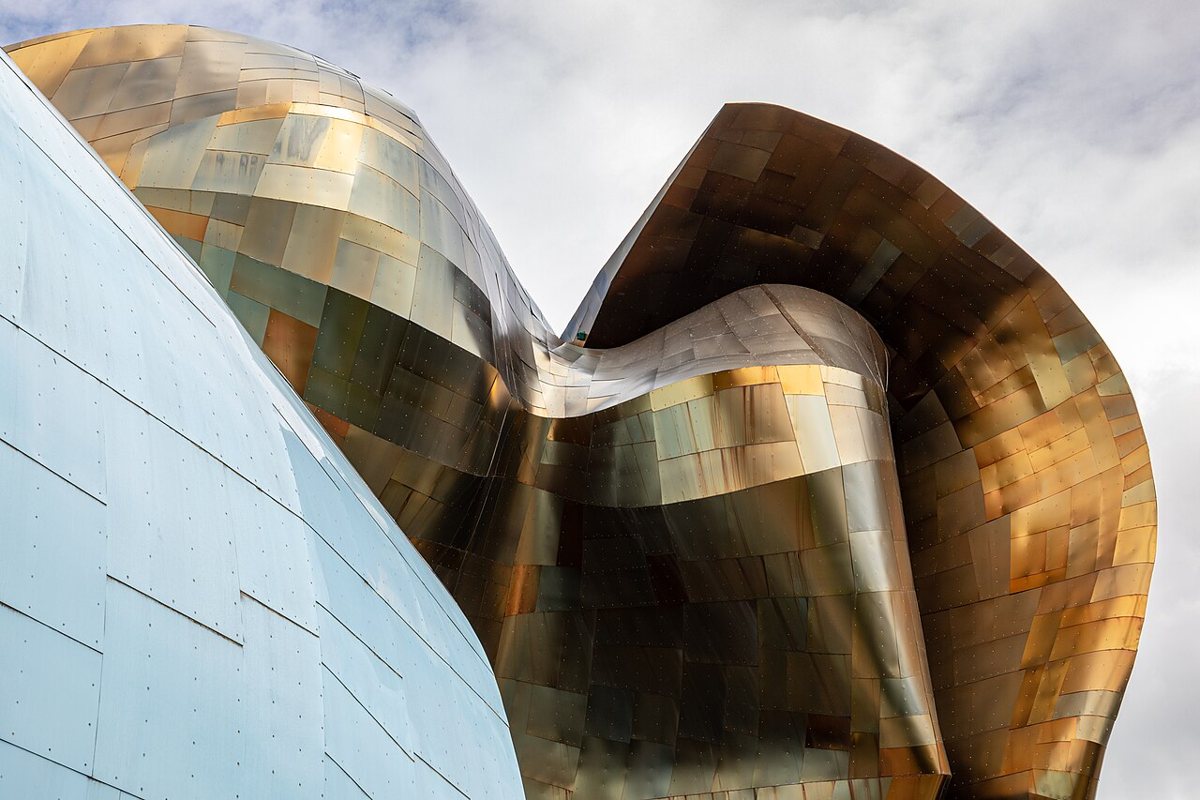
MoPOP, the Museum of Pop Culture, sits inside Frank Gehry's crumpled-metal building at Seattle Center and has outgrown its early reputation as a Jimi Hendrix shrine, though Hendrix, a Seattle native, still gets a serious gallery here. The exhibitions now range across horror films, science fiction, indie video games, and the history of Pacific Northwest music beyond grunge, and the building itself, all curved steel in purple and gold, is worth walking around even if you skip the ticket. It rewards people who actually care about the subject matter over casual browsers, so check what's currently on view before committing an afternoon.

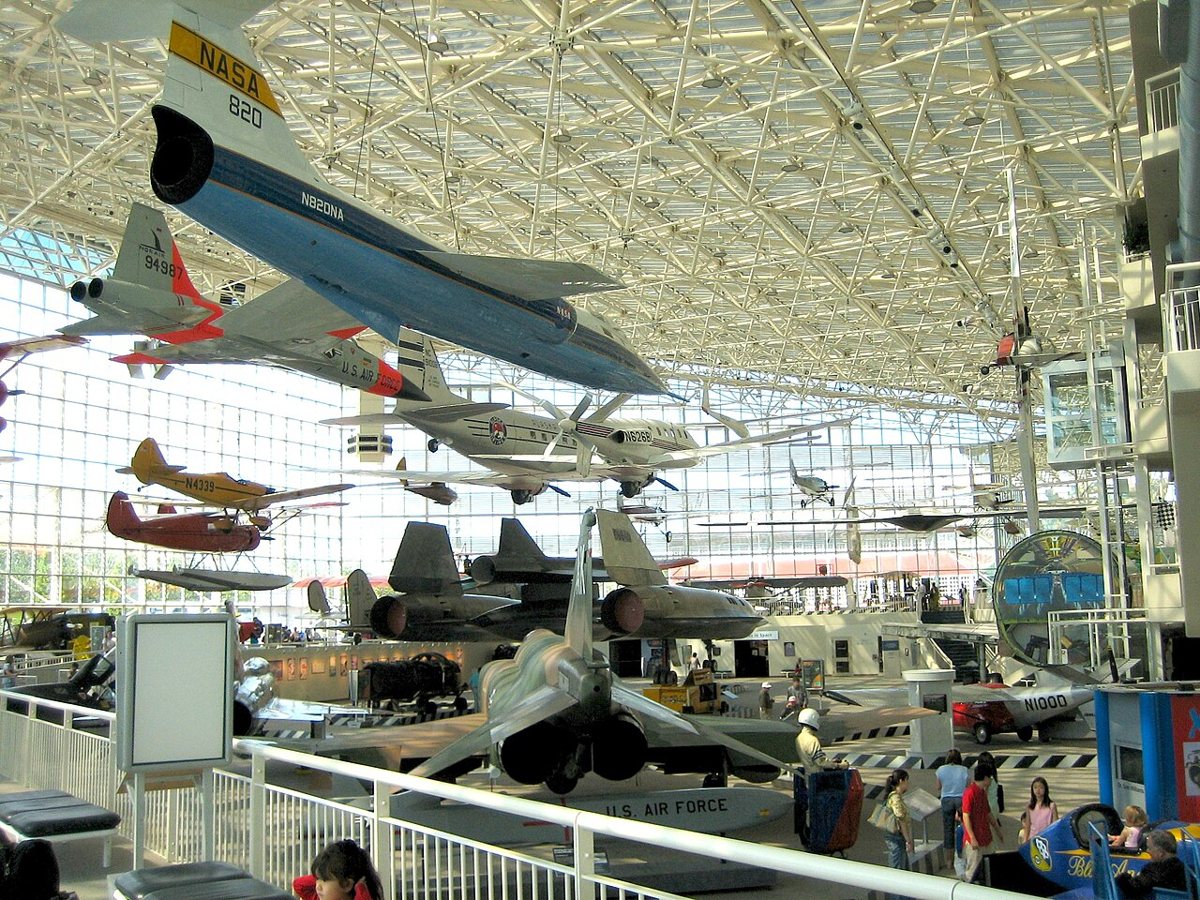
The Museum of Flight, out by Boeing Field south of downtown, is bigger and better than its slightly out-of-the-way location suggests. Boeing built its early aircraft here, and the collection includes a full-scale space shuttle trainer, a retired Concorde you can walk through, and a preserved Air Force One. It's an easy half-day trip and one of the few Seattle attractions that genuinely delivers for both aviation obsessives and people who wandered in with mildly interested kids. Give yourself more time than you think you need; the wing covering World War aircraft alone eats an hour. The museum sits close enough to the flight path that you'll hear real planes overhead while you're looking at the historic ones, which somehow makes the whole visit feel less like a static display and more like an active part of the city.

Neighborhoods Worth Wandering
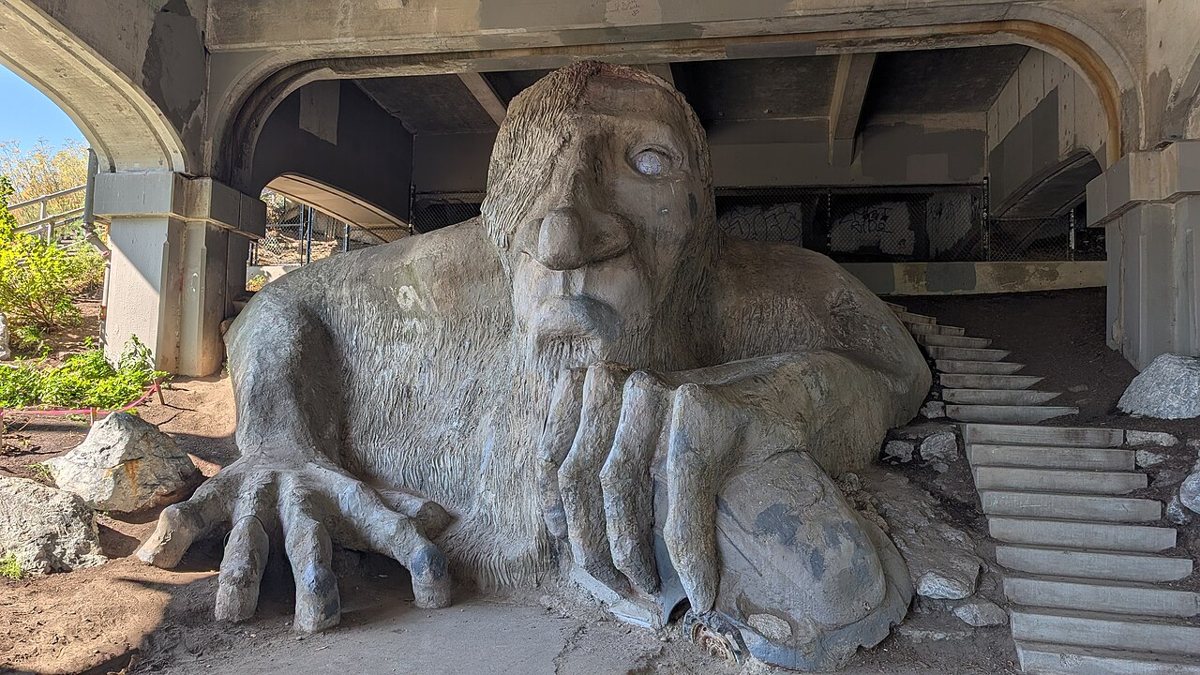
Fremont calls itself the Center of the Universe, only half joking, and the neighborhood still carries its old bohemian streak even as rents have climbed. The Fremont Troll, a concrete sculpture of a one-eyed giant clutching a real Volkswagen Beetle under the Aurora Bridge, is the neighborhood's unofficial mascot and a genuinely fun five minutes in person, which is more than most roadside oddities can claim. Pair it with the Sunday farmers market, the rocket ship sculpture mounted outside a former drugstore, and a walk along the canal, where sea lions sometimes gather near the Ballard Locks in salmon season.

Ballard was a Scandinavian fishing village before it was a brewery district, and both histories are still visible if you look for them. The Ballard Locks connect Puget Sound to Lake Union and Lake Washington, and watching boats rise and fall through the chambers, plus salmon working the fish ladder in season, is a genuinely good free hour. The neighborhood's core streets now hold one of the city's densest clusters of craft breweries, a Sunday farmers market that predates most of the newer development, and enough restored old storefronts to make the fishing-village history feel recent rather than theoretical. The Nordic Museum, a short walk from the main strip, tells that Scandinavian settlement story properly if you want more than a plaque's worth of context, and it's a natural stop to pair with an afternoon of brewery hopping.
Capitol Hill is the center of the city's LGBTQ+ community and its live music and arts scene, dense with independent bars, venues, and record shops packed into a walkable grid. Broadway and the streets branching off it stay lively well past when other neighborhoods have gone quiet, and Volunteer Park at the hill's north end adds a green counterweight with a working conservatory and a water tower you can climb for one more skyline view. It's the neighborhood to pick if you want a night out rather than a daytime itinerary. Cal Anderson Park anchors the residential side of the hill, less scenic than Volunteer Park but the true daily gathering spot for the neighborhood, full of pickup soccer games and people reading on the grass on any dry afternoon.
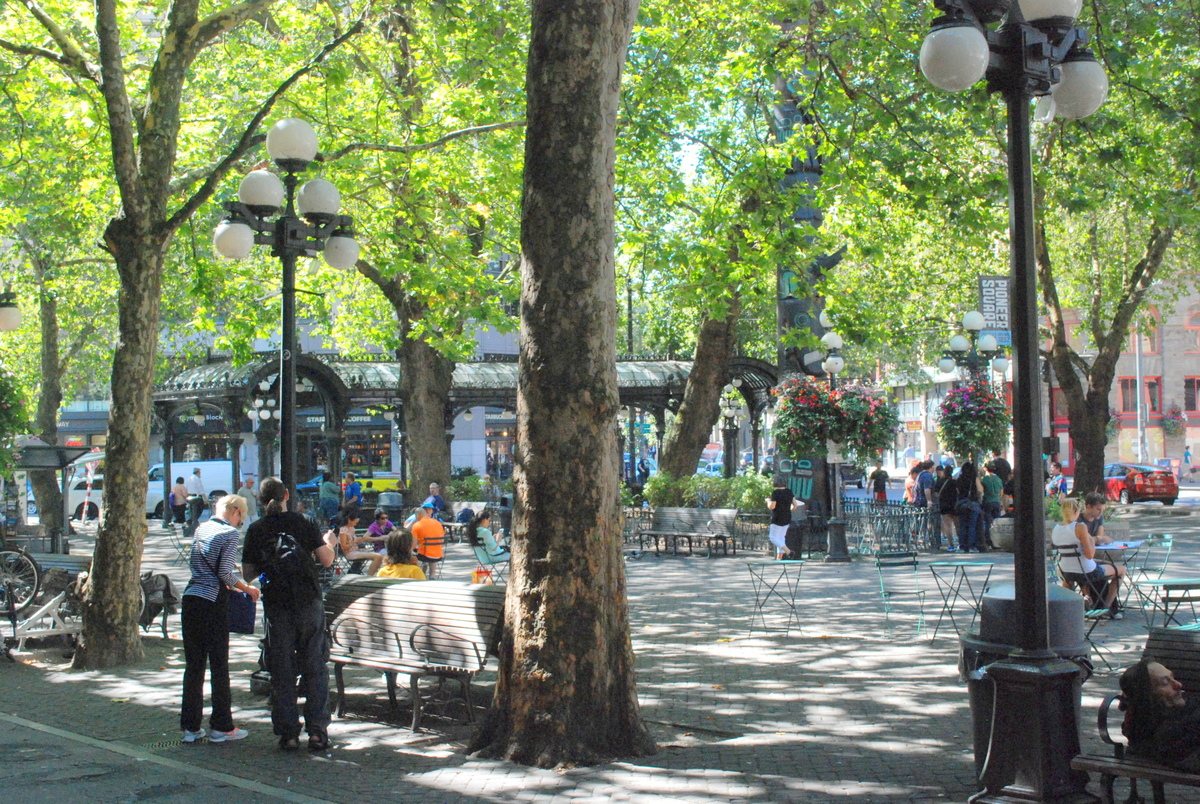
Pioneer Square is the oldest part of the city, its Romanesque brick buildings and cast-iron storefronts rebuilt almost entirely after the Great Fire of 1889 in a single architectural burst that still reads as coherent today. Underground tours here walk you through the literal buried storefronts left when the street level was raised after the fire, part history lesson and part genuinely strange tourist attraction. The neighborhood carries the visible strain that any old urban core deals with, but it's also home to a serious concentration of art galleries, a first-rate bookstore, and Lumen Field and T-Mobile Park just to the south, so game days bring an entirely different energy than a quiet gallery walk.

Columbia City, down in the Rainier Valley, is among the most ethnically diverse zip codes in the country, and its main strip reflects that directly: East African restaurants, a beloved old movie theater, and some of the best pho in the city a short walk or light rail ride away. It's less polished than Capitol Hill or Fremont and better for it, a neighborhood that functions for the people who live there first and tourists second. Georgetown, south of downtown near Boeing Field, trades polish for industrial-arts grit: old warehouses converted into studios, a scrappy gallery scene, and a couple of genuinely good dive bars in buildings that haven't changed much since the neighborhood was its own city before Seattle annexed it.
Where to Eat Along the Way
Seattle's food identity doesn't start and end at the market. Seattle-style teriyaki, sweeter and simpler than teriyaki elsewhere, runs through nearly every neighborhood teriyaki counter in the city, a legacy of Korean immigrant-owned shops that opened through the 1980s and 90s. Hawaiian plate lunch spots, another underrated local staple, show up in the same corners. The Rainier Valley and Columbia City area holds some of the best pho in the Pacific Northwest, worth seeking out over anything downtown. Dick's Drive-In, a chain of no-frills burger stands scattered across the city since the 1950s, remains a genuine local institution rather than a tourist trap, the kind of place regulars defend with real loyalty. Dungeness crab, in season, is worth ordering wherever you find it fresh. And skip the chains for coffee: this city's identity runs through a proper local coffee bar far more than through the green mermaid logo, and a serious flight of Pacific Northwest IPAs at a Ballard or Fremont taproom rounds out an evening better than most bar crawls downtown.
Rainy-Day Seattle
The rain here is mostly a drizzle, not a downpour, and locals plan around it rather than avoid it. Still, on the genuinely wet days, lean into the indoor options: Chihuly Garden and Glass, MoPOP, and the Seattle Art Museum all reward a full afternoon, and Pike Place Market's covered arcades keep working rain or shine, since half the point of the market's original design was shelter from exactly this weather. The Seattle Central Library downtown, an angular glass-and-steel building by Rem Koolhaas, is free to wander and architecturally strange enough to be worth a stop even if you don't check out a book. Underground tours in Pioneer Square are, appropriately, entirely indoors.
Getting Around, Timing, and What's Free
The Link light rail connects the airport to downtown, Capitol Hill, the University District, and points north and south, and it's the easiest way to move around without a car for most of the attractions in this guide. Washington State Ferries run from the downtown waterfront across Puget Sound and make for one of the cheapest scenic boat rides anywhere, worth doing even without a destination on the other side, just for the skyline view back toward the city. Buses fill in the gaps light rail doesn't reach, and the whole system uses the same regional transit card.
Weekday mornings beat weekends at nearly everything on this list, from Pike Place to the icons at Seattle Center. Summer brings the reliable dry stretch locals wait all year for, but a clear day in any season can deliver the mountain being out, so don't write off October through April entirely. A genuine amount of this guide costs nothing: Kerry Park, Gas Works Park, Discovery Park, Green Lake, the Olympic Sculpture Park, the Fremont Troll, the Ballard Locks, and most of Pioneer Square's street-level architecture are free every day. Museums typically offer a discounted or free evening on some regular basis, and it's always worth checking current hours and admission before you go rather than assuming.
The Point of All This
What I actually believe, after nearly two decades of writing about this city, is that Seattle punishes the drive-by visit and rewards the one where you let a single neighborhood or park take up half a day. The people who leave disappointed are usually the ones who tried to see everything on this list in 48 hours, standing in line at the market, riding up the Needle, snapping a photo of the Troll, and never once sitting still long enough to notice how the light changes over the water in the space of twenty minutes. This is a city built by people who moved here for the mountains and the water and stayed for something quieter than what the tech headlines suggest, and the best version of a Seattle visit follows that same instinct: fewer stops, more attention, and a willingness to stand in the rain for a view that Mount Rainier might or might not deliver that day.