Best Coffee Shops in Seattle Worth the Trip
Skip the Pike Place line. Seattle's real coffee culture lives in the neighborhoods, where small roasters and exacting baristas turn a cup into something worth a drive across town.
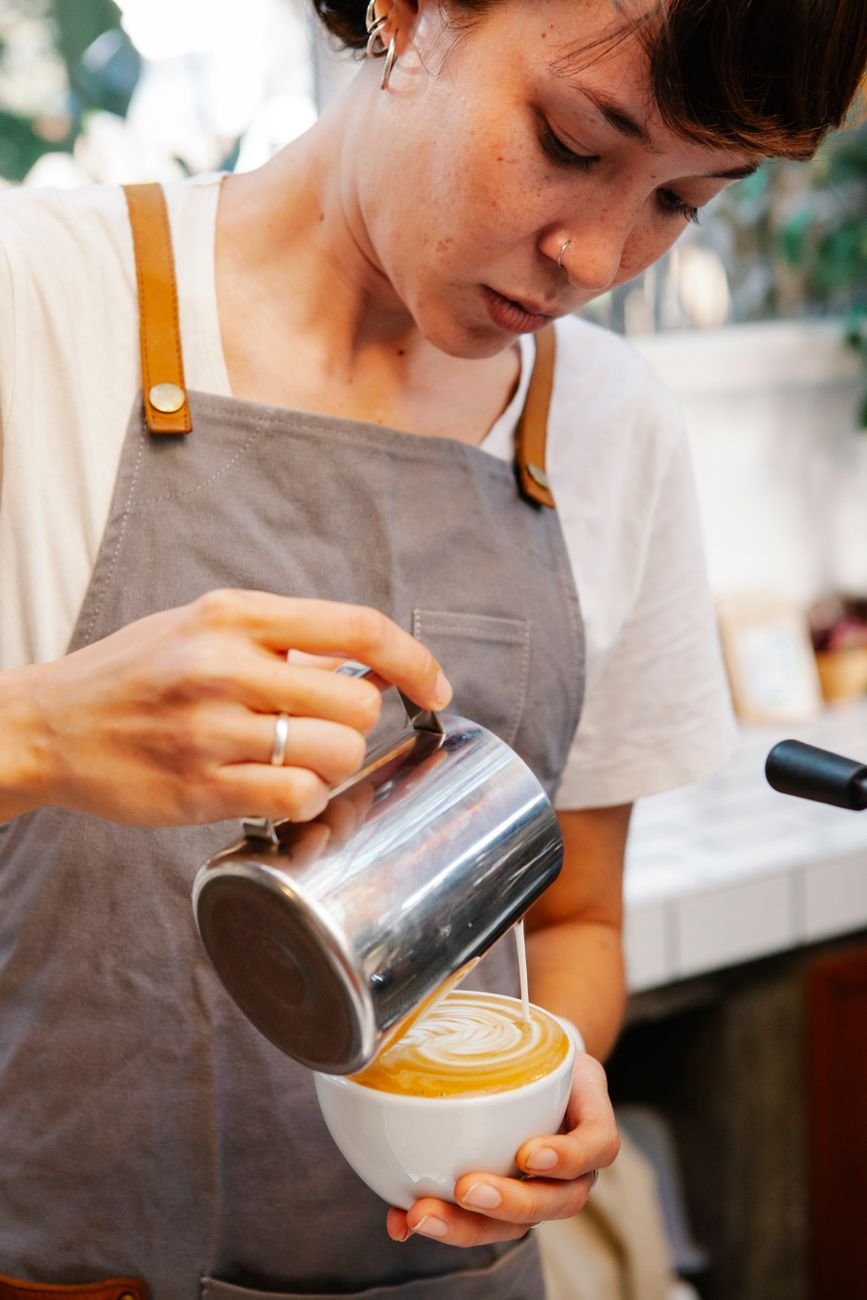
By eight on a gray Tuesday morning, the line at a coffee bar in Capitol Hill will be out the door, and almost nobody in it is looking at their phone. They're watching the barista instead, tracking a shot pull like it's a small ritual worth witnessing. That's the tell. Seattle doesn't do coffee as fuel. It does coffee as craft, and the best coffee shops in Seattle treat every cup like it has something to prove, even to a customer who just wants to get to work on time.
This is a city that got restless with the idea of coffee as commodity decades ago and never really let go of that restlessness. Roasters here talk about origin the way a winemaker talks about a vineyard block: elevation, processing method, the specific farm or co-op a lot came from. Cafés post tasting notes on chalkboards without a hint of irony. None of this is new information to anyone who has lived here longer than a winter, but it explains something real. What keeps people driving across town for a cup is the small roaster with the exacting bar, the shop that treats a pour-over like a five-minute experiment worth doing properly.
What Sets the Best Coffee Shops in Seattle Apart
Ask a local what makes a coffee shop worth a detour and you'll get an oddly specific answer. It's rarely about couches or Wi-Fi speed. It's about whether the espresso is dialed in that day, whether the roaster is local and named on the bag, and whether the person behind the counter can explain why a natural-process Ethiopian tastes like blueberries without turning it into a lecture. The strongest cafés roast in small batches, rotate origins with the seasons, and treat drip coffee with the same seriousness as espresso, which is not the norm everywhere.
Weather plays a role, though not the way outsiders assume. Nobody here brings up the rain; it's just weather, and complaining about it marks you as new in town. Gray months just make a warm chair and good light matter more than they would somewhere sunnier. A shop that gets the light right, that gives you a reason to stay past the first sip, tends to earn a following that has nothing to do with the coffee alone.
A Neighborhood Crawl, Not a Single Address
Capitol Hill is the obvious starting point, the neighborhood that all but invented Seattle's café-as-living-room culture. It's dense with independent shops that double as informal offices for the freelance and grad-school crowd, and years of competition have kept the quality high. Fremont, which likes to remind everyone it's the Center of the Universe, has a scrappier feel, full of roasters happy to talk your ear off about extraction ratios if you give them an opening.
Ballard carries its own weight. It grew up as a Scandinavian fishing village and still shows that history in its brick storefronts, even as breweries and coffee bars have filled the gaps between the old maritime supply shops. There's a particular pleasure in drinking a cortado somewhere that still smells faintly of the water a few blocks off. Columbia City, further south, has quietly become one of the more interesting food and drink corridors in the city, less self-conscious than the Hill and worth the light rail trip down. Georgetown, industrial and a little rough at the edges, has the kind of café that shares a wall with an auto shop and somehow makes the pairing work.
Queen Anne and South Lake Union round things out for different reasons. Queen Anne skews residential and slower, the sort of place where a shop survives on regulars alone. South Lake Union is younger and built around the tech workforce that fills its office towers, though even there you'll find cafés that clearly care more about their espresso machine than their optics.
How to Pick a Good One, and What to Order
A few details separate a serious shop from a merely decent one. Check the retail bags on the shelf. When they're all from the same roaster, someone made a deliberate choice rather than a default one. Ask what's new on pour-over; a shop that rotates that list weekly is paying attention to its own coffee. Watch the bar for a minute before ordering. A barista timing shots and adjusting grind between customers tells you more than any amount of reclaimed wood on the walls.
Your order can tell you as much as what you see. A cortado exposes a shop's espresso more honestly than a latte does, since there's less milk to hide behind. If you want to know what the roaster is actually proud of, order the pour-over or batch brew instead of espresso; that's usually where a café shows its hand. Drip coffee has a bad reputation nationally, but around here it's often the most carefully made thing on the counter, brewed to order rather than sitting in a carafe for an hour.
- A visible roast date on the retail bags, ideally within the past two or three weeks
- A rotating pour-over or batch brew menu rather than one static house blend
- Baristas who dial in shots through the shift instead of setting the grinder once and walking away
- Milk steamed to order rather than held warm in a pitcher for the next ten drinks
Make a Morning of It
Pairing matters more than people admit. Many of the strongest cafés share a block with a bakery worth building a stop around, and a shop that takes coffee seriously usually takes what it serves alongside it just as seriously. On Capitol Hill in particular, the density of good cafés rewards wandering on foot. If you're planning a slower morning, treat the café as one stop rather than the whole outing, then follow it with a proper sit-down brunch nearby. That two-stop rhythm is closer to how people who actually live here spend a Saturday.
The mistake visitors make is treating a swing through Pike Place as the whole coffee itinerary, grabbing something forgettable near the crowd and calling the trip complete. That's not where this city's coffee culture actually lives. It lives in the neighborhoods, in shops with four tables and a regular in the corner who's been coming since before the rents on the block changed. Skip the tourist loop and go where the locals go instead, even if it means driving across town for a cup that isn't dramatically different from the one three blocks from your hotel. Around here, that drive is usually the point.