Best Mexican Restaurants in Seattle Worth the Trip
The city's best Mexican food isn't clustered on one strip; it's spread across White Center, the Rainier Valley, and Burien, and finding it means knowing what to order.
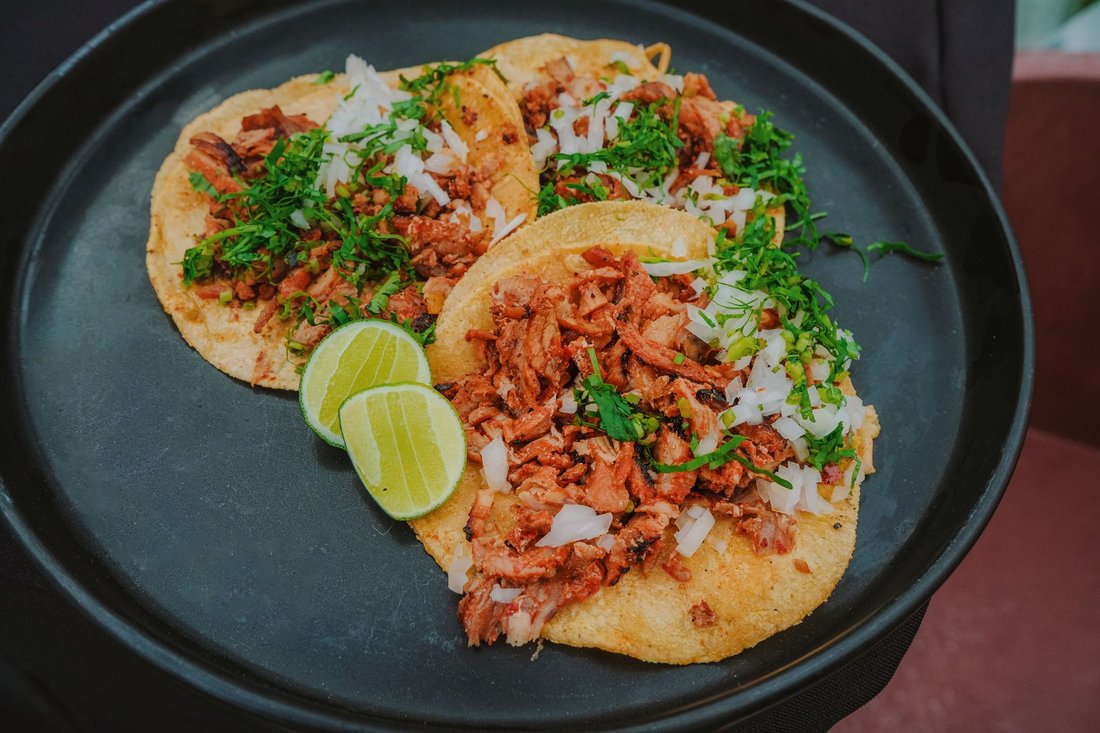
Ask a longtime Seattle eater where they had their best plate of birria and you'll rarely get an address downtown. You'll get a bus route. Route 60 into White Center, maybe, or the 7 down through the Rainier Valley toward Othello. The best Mexican restaurants in Seattle have never clustered around a tourist corridor, and that's the first thing to understand before you go looking: this isn't a neighborhood you visit once. It's several neighborhoods you return to.
That's partly geography and partly history. Seattle's Mexican and Latino communities took root south of downtown and southwest into unincorporated King County, not in the parts of the city that show up on postcards. White Center in particular has become the kind of place where you can eat extraordinarily well without any of it being photographed for a magazine cover, which is sort of the point. Burien, further south, has its own quieter concentration of taquerias and panaderias serving a mix of Mexican and Central American food. The Rainier Valley, a genuinely layered stretch of the city, holds pockets of excellent Mexican cooking alongside its pho and Ethiopian restaurants, often in strip malls that give away nothing from the parking lot.
Why the best Mexican restaurants in Seattle aren't where visitors expect
Pike Place gets credit for a lot of things Seattle food actually is not, and Mexican food is one of them. There's no equivalent to the flying fish stall for tacos. What exists instead is a scattered, unglamorous network of family-run spots, most of them small, many of them counter-service, some open only for specific hours because the person making the tortillas also works another job. Finding the good ones takes a little more intention than following a tourist map, but it's not a secret handshake either. It just requires going to the neighborhoods where the food actually developed.
Locals also tend to make peace with the fact that "best" is regional and personal here. Someone from Georgetown will defend a taco truck near the industrial yards with the same intensity someone from Ballard reserves for a fish sandwich. Seattle doesn't really do consensus rankings for this kind of food, and that's healthier than it sounds. It means the search itself becomes part of the experience rather than a chore to outsource to a listicle.
What to order, and why it tells you more than a star rating
If you want a fast read on whether a place is worth returning to, skip the enchiladas platter on your first visit and order something that punishes shortcuts.
- Tacos al pastor: the meat should be marinated and stacked, not just seasoned ground pork; look for the trompo (vertical spit) or evidence that someone is shaving it fresh, and a pineapple note that's balanced rather than syrupy.
- Birria: whether it's served dry in tacos with a consommé for dipping or as a stewed plate, the broth should taste like it spent hours with bone and chile, not like a bouillon shortcut.
- Tamales: the masa should be light and the filling shouldn't have slid to one end of the husk; a good tamale holds together but isn't dense.
- Mariscos: ceviche, cocteles, and seafood tostadas are a strong signal in coastal-style Mexican kitchens; if the seafood tastes tired, so will everything else on the menu.
None of this requires expertise, just attention. A kitchen that gets the basics like these right almost always gets the rest right too, which is a more reliable filter than any review aggregate.
How to actually choose where to eat
Start by picking a neighborhood rather than a specific restaurant, especially if you're new to this. White Center rewards wandering along its main commercial stretch, where taquerias sit next to pupuserias and Vietnamese sandwich shops in a way that reflects how the area's immigrant communities have layered on top of each other for decades. Burien is smaller and more spread out, so it helps to have a general idea of which strip mall you're headed to before you go. The Rainier Valley requires the most patience, since some of its best cooking happens in spaces that look identical to the businesses next door.
Once you're in the right area, a few practical habits help. Go at lunch if you want to see a kitchen at full capacity, since that's often when family-run spots are busiest and freshest. Order in Spanish if you can, or at least don't be surprised if the menu on the wall differs from the laminated one handed to English speakers; asking what's fresh that day usually gets you a better answer than pointing at a photo. If you're hunting the trucks and counters specifically rather than sit-down rooms, narrow your search there first; the same appetite that chases the city's newer restaurants serves you well here. Truck turnover tends to track directly with quality, since a truck with slow business simply doesn't survive.
It's also worth resisting the instinct to treat any single dish as the whole story. A restaurant might turn out unremarkable enchiladas and remarkable mariscos, or excellent birria on weekends only, when a specific cook is in. Mexican food in this city is regional in origin: Jalisco, Oaxaca, Michoacán, the Yucatán, and beyond all show up in different kitchens with different techniques — so consistency across an entire menu is less common than excellence in two or three dishes a kitchen has clearly built its identity around. If you're curious about a broader survey, a roundup of the city's food halls can help orient you toward which neighborhoods tend to specialize in what.
None of this is really about finding one perfect restaurant. It's about learning to read a menu and a room well enough that you stop needing a list at all. Once you can spot a trompo through a steamed-up window or smell a birria pot from the sidewalk, you've already found what you were looking for.