Best New Restaurants in Seattle You'll Actually Love
Seattle keeps churning through restaurants faster than any list can track, so the real skill is knowing which neighborhoods, categories and habits lead you to the ones worth returning to.
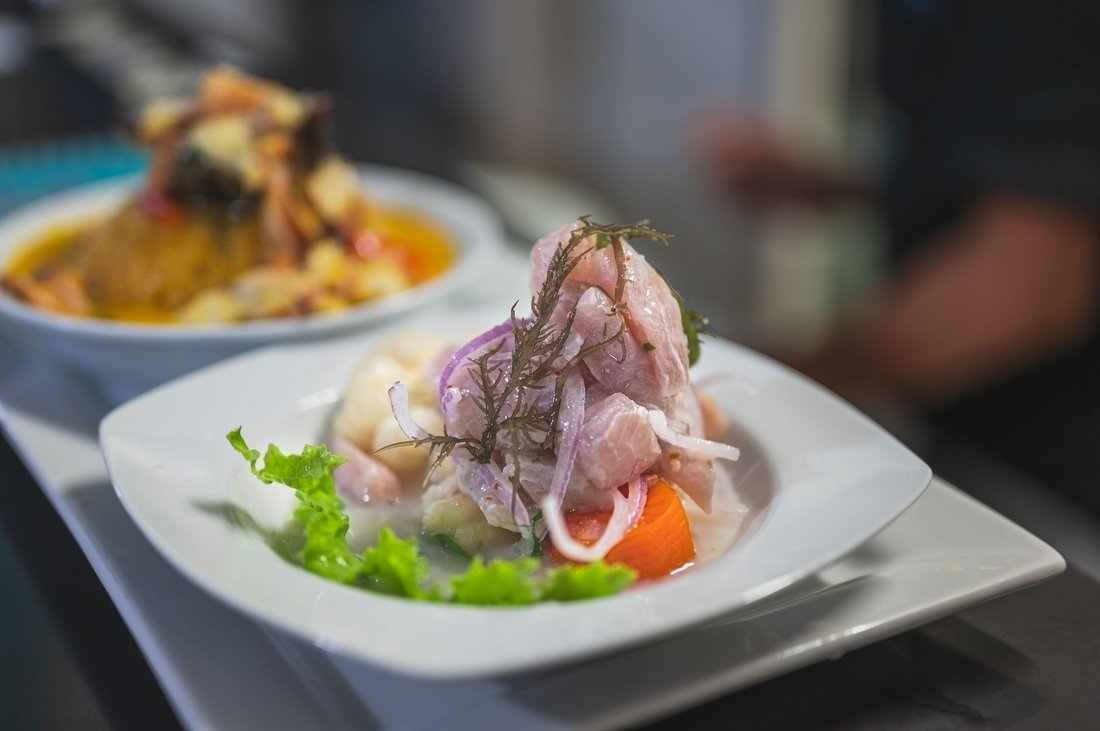
Ask a bartender in Ballard how many restaurants have cycled through the storefront next to their own, and you'll get a rueful laugh before a number. Leases turn over fast in this city, faster than any guidebook can track, and that churn is exactly why finding the best new restaurants in Seattle has become its own quiet skill. The splashy openings get the press releases and the opening-week lines. The places locals actually keep coming back to, the ones with four tables and a menu that changes with what came off the boat that morning, tend to arrive without fanfare, in a converted auto shop or a former teriyaki counter, and build a following one weeknight regular at a time.
That's the real shape of Seattle's restaurant scene right now: less about a handful of marquee debuts and more about a steady, neighborhood-by-neighborhood churn that rewards people willing to pay attention.
What's Actually Defining Seattle's New Restaurant Scene
The city isn't seeing a wave of big-swing, investor-backed openings the way some coastal cities are. What's opening instead is smaller and more personal. A chef who spent a decade cooking for someone else finally signs their own lease, usually somewhere with cheaper rent than downtown, and builds a menu around a handful of dishes done exactly right rather than twenty done adequately. If you actually want to eat well, this is the pattern worth tracking: neighborhood-scale spots, often twenty or thirty seats, run by people who are in the kitchen every night.
PNW seafood keeps anchoring a lot of these openings, but the interesting ones aren't repeating the same crab-and-oyster script. They're finding new ways to treat Dungeness crab, geoduck, and local rockfish that respect the ingredient without turning it into a postcard. Coffee-and-pastry culture is having its own quiet expansion too, with roasters who used to just wholesale beans now opening small bars with a tight, seasonal food menu built around the coffee rather than as an afterthought.
The most consistently rewarding openings, though, are happening in the Rainier Valley and along the light rail corridor through the Central District, where immigrant-owned kitchens are cooking dishes that never needed to be translated for anyone. Pho shops, Hawaiian plate lunch counters, East African and Southeast Asian spots that have been serving their own communities for years are now getting the citywide attention they were due long before any list noticed them. If you want to understand where Seattle's food identity is actually heading, that corridor is a better teacher than any tasting menu downtown.
Neighborhoods Worth Watching
- Capitol Hill keeps producing small, personality-driven spots tucked between bars and venues, often open later than the rest of the city.
- Ballard's old fishing-village bones now support a mix of breweries and increasingly serious kitchens attached to them.
- Columbia City and the greater Rainier Valley remain the most reliable source of genuinely new flavors, largely because the food didn't start out trying to impress anyone outside the neighborhood.
- Georgetown's industrial spaces keep drawing chefs priced out of more polished corridors, which tends to produce menus with more edge and less polish.
- South Lake Union is still mostly fast-casual built for a lunch crowd, but the margins around it, toward Eastlake and the north end of downtown, are worth a periodic check.
How to Actually Find the Best New Restaurants in Seattle
Skip the algorithm and go to the people who eat professionally. Eater Seattle and Seattle Met both track openings closely and, more usefully, follow up months later to say whether a place held up once the opening buzz faded. That follow-up is the part worth reading. Anyone can cover an opening week. Fewer outlets bother checking back in February.
Beyond that, a few habits work better than any list:
- Watch for a line that persists past the first month. Opening-week crowds are curiosity. A line in week eight is a neighborhood telling you something.
- Go on a Tuesday, not a Saturday. A kitchen's real rhythm, and whether the staff has settled in, shows up on the slow nights.
- Check whether the menu has shrunk since opening. A kitchen that's cutting dishes down to what it does best is usually finding its footing. One that keeps adding items is often still guessing.
- Follow the people, not just the addresses. A cook or server who moves from one respected kitchen to open their own place is a stronger signal than a flashy build-out.
What to Order at a New Place
At a new PNW-leaning kitchen, order whatever's built around a single local ingredient rather than the dish trying to do the most. A simple preparation of local oysters or a rockfish crudo tells you more about a young kitchen's discipline than an ambitious multi-component plate does. At a new spot in the Rainier Valley or the Central District, order what the owners' own community orders, not the dish that sounds most familiar to you. The kitchen's real confidence usually lives there.
Coffee shops with a real food program are worth judging on their pastry case before their espresso. A shop that's proud of what it bakes usually treats its coffee with the same care. And if a new teriyaki counter has opened nearby, that's worth a look too. It's a Seattle-style teriyaki institution here, not a novelty, and a new operator doing it well is a genuine sign of a kitchen worth trusting.
None of this requires chasing a single hyped name across town on opening night. It requires paying attention to a handful of corridors, checking back in a few months instead of a few days, and trusting a full room on a Tuesday more than a line on a Saturday. If you're building out a broader food itinerary, it helps to pair this hunt with a running list of Seattle's best seafood spots so the new discoveries have some context against what's already proven itself.
The next great Seattle restaurant probably isn't going to announce itself. It's going to be the place with steamed-up windows on a rainy Tuesday and a line that's still there in April. Go find it before the rest of the city does.