Best Coffee Shops in Capitol Hill: The Local Guide
Forget the foam art photos. Here's how to actually find good coffee on the Hill, block by block, without the tourist detour.
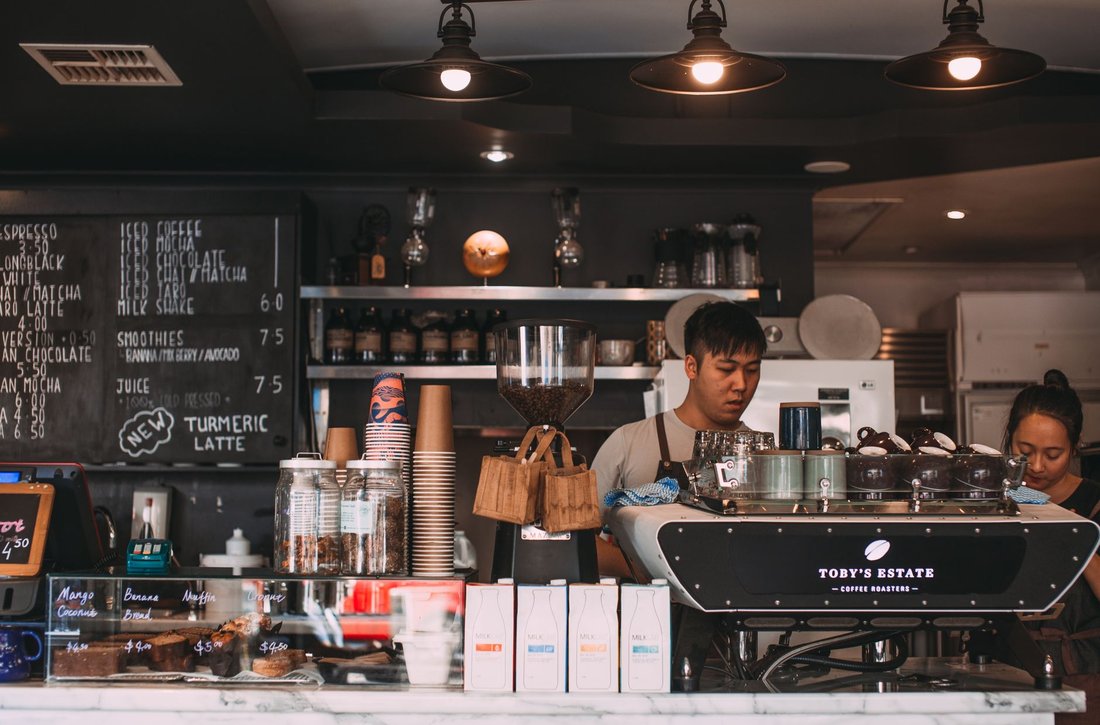
By seven on a weekday, the counter crowd on 15th Avenue East isn't tourists hunting a photo of a latte heart. It's a nurse coming off a night shift at the hospital up the hill, two guys arguing about a turntable belt from the record shop down the block, and a woman walking a greyhound who orders the same drink without saying a word. That's the real test for the best coffee shops in Capitol Hill: not how the espresso photographs, but whether the regulars still show up at hours nobody else is paying attention to.
Nobody behind the counter mentions the drizzle sliding down the window glass. It's just what a Tuesday looks like nine months of the year, and pointing it out marks you as new to the neighborhood. What locals actually track is roast date, whether the oat milk holds its texture past the first sip, and whether the person pulling shots today learned the machine from someone who cared enough to teach it right.
The Best Coffee Shops in Capitol Hill, Organized by Block
Capitol Hill doesn't have one coffee identity. It has several, stacked a few blocks apart, and they don't behave the same way at the same hour.
Pike/Pine After Dark and Before It
The stretch around Pike and Pine runs on two clocks. Before ten, it's laptops, headphones, and a line that moves fast because everyone already knows their order. After the bars and venues let out, some of the same counters shift into a different gear entirely, pouring drip for door staff and touring bands loading gear into a van at 1 a.m. A shop that can hold both crowds without changing its personality is doing something right.
15th Avenue East and the Slower Pace
Head east toward 15th and the pace drops. This is where people sit for an hour with a book, where the tables skew toward regulars who've been coming since before the block's newest condo went up. The coffee here tends to be quieter about itself. Fewer flourishes, more attention to whether the shot actually tastes like something.
Broadway and the Transit Crush
Broadway moves with the streetcar and the bus lines, so mornings there are transactional in a good way. Efficient counters, quick hand-offs, a lot of to-go cups clutched on the walk to a stop. It's not the place for a leisurely pour-over, but a shop that keeps quality high under that kind of volume has earned its regulars honestly.
How to Read a Good Roaster
Seattle's coffee culture stopped being about size a long time ago. It's about roast philosophy, and the good shops make that legible if you know what to look for.
- Check the bag or the chalkboard for a roast date, not just an origin. A shop proud of freshness will print it without being asked.
- Notice the roast level. A lot of the city's better roasters lean lighter than what you'd get at a national chain, aiming for the fruit and acidity in the bean rather than burying it under char.
- Ask what's on the espresso blend this month. If the person behind the counter can answer without checking, the shop is paying attention.
- Watch how they treat milk steaming. Rushed, scorched microfoam is a tell that volume has started to matter more than the drink.
What to Order Like You Actually Live Here
Ordering here isn't complicated, but a few habits mark the difference between a tourist stop and a regular's counter.
- A straight drip or batch brew tells you more about a roaster's skill than a drink loaded with syrup ever will.
- Cortados and cappuccinos are the drinks locals lean on to judge a new counter, since there's nowhere for a bad shot to hide.
- If a shop offers a single-origin pour-over, ask what flavor notes they're going for before you order. A barista who can describe it in plain language, not marketing language, usually knows the bean.
- Decaf drinkers should ask what process was used. Shops that care about coffee generally care about decaf too, and it shows.
Where the Good Mornings Actually Happen
The best mornings on the Hill rarely happen at the counter everyone already knows about. They happen at the shop two blocks off the main drag, with mismatched chairs and a window seat that catches the one hour of real light before the clouds settle back in. Pair that hour with a weekend brunch a few blocks over and you've got the shape of a proper Capitol Hill Saturday. Stick around into the evening and some of those same counters hand off their regulars to the bars taking over for last call a few hours later.
The takeaway isn't a ranked list. It's a habit: walk a few blocks past the first line you see, watch who's actually sitting down, and judge the coffee by whether the person who made it could tell you why it tastes the way it does. On the Hill, that's usually the whole story.