Capitol Hill Neighborhood Guide: The Local Guide
A block-by-block guide to Capitol Hill's parks, bars, and back streets, written by someone who has watched the neighborhood change for two decades without losing its nerve.
Cal Anderson Park's basketball courts stay lit past ten most nights, and by eleven the benches ringing the reservoir fill with neighbors who have nowhere urgent to be. That rhythm is the real subject of this capitol hill neighborhood guide: loud on the corners, quiet a block over, and never quite finished for the night. Skip the postcard version. The neighborhood earns its reputation less from any single landmark than from how densely its blocks get used, at almost every hour, by people who actually live there.
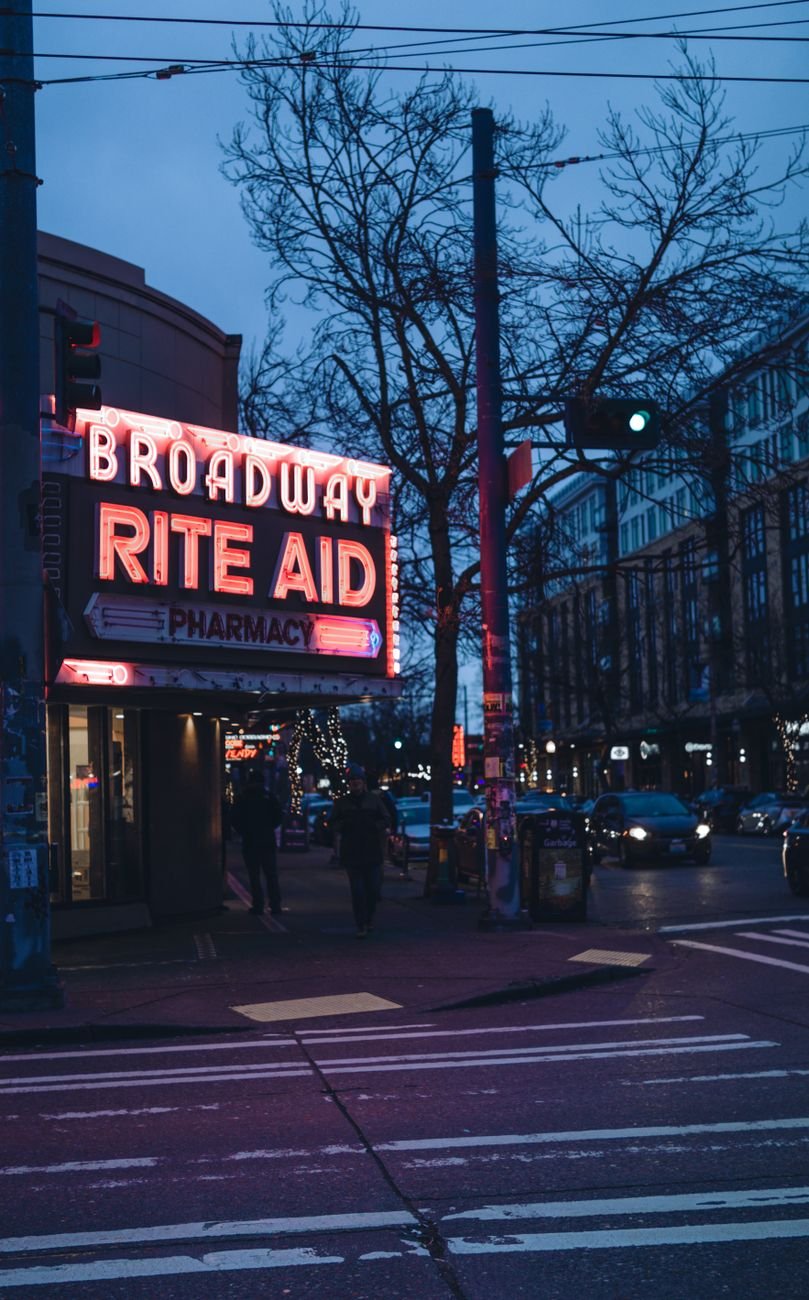
Geography explains a lot of what happens on the ground. Capitol Hill climbs east from downtown Seattle, high enough that a few cross streets offer a clean look at the skyline and the water beyond it. Broadway runs as the commercial spine, anchored at its south end by the Capitol Hill Link light rail station, which put the neighborhood a few minutes from downtown and the University of Washington and changed who passes through on a given afternoon. Pike/Pine, the corridor of converted auto-row buildings between downtown and the Hill proper, holds most of the bars, music venues, and late-night energy. Head east past 15th Avenue and the mood drops: quieter blocks, older apartment buildings, small parks, and a walk up to Volunteer Park that feels like leaving downtown Seattle altogether.
A Capitol Hill Neighborhood Guide to Getting Your Bearings
New visitors tend to treat Broadway as the whole neighborhood, which shortchanges it. Broadway is useful for orientation and a decent first walk, but Pike/Pine one block over carries the nightlife, and the residential streets east of 15th are where the neighborhood's daytime character actually lives: dog walkers, stroller traffic, people reading on porches. Capitol Hill has been Seattle's center of LGBTQ+ life and independent arts for decades, and that history is still visible in the venues clustered along Pike and Pine, even as rising rents have pushed out longtime tenants and reshaped who can afford to stay. Locals talk about that plainly; it isn't a footnote to the neighborhood's story, it's part of it.
Walking is the right way to see it. The Hill is compact enough to cross on foot in under half an hour, and the grid is simple: numbered avenues running north-south, named streets running east-west, with Broadway breaking the pattern as the diagonal commercial strip. the Link station makes it easy to arrive without a car, which matters given how limited hillside parking gets on weekend nights.
Eating and Drinking, Without the Pike Place Reflex
Resist the instinct to treat Pike Place Market as the food story here; that's downtown, and Capitol Hill has its own, quieter food culture. Coffee is where the neighborhood takes itself seriously. This is a city that roasts and pulls shots with real discipline, and the Hill's cafes reward slowing down rather than grabbing something to go. Expect strong opinions about roast levels and pour-over technique from people who work three blocks from where they're drinking it.
Food on the Hill runs broader than any single cuisine. Seattle-style teriyaki shows up in unpretentious storefronts, the kind with laminate counters and no ambition beyond doing the dish well. Dungeness crab and local oysters turn up on menus that don't make a production of them. Bars along Pike/Pine swing between dive and cocktail-serious, sometimes on the same block, and the neighborhood's queer bars remain some of the most consistently good nights out in the city, not novelty stops but real anchors of the community.
A few practical notes:
- Weeknights are calmer and better for a real conversation over dinner; Friday and Saturday nights on Pike/Pine get loud and crowded fast.
- Coffee shops fill up with laptops on weekday mornings, so afternoons are easier if you want a table.
- Cash still matters at some of the smaller, older bars, even in a mostly cashless city.
Parks, Books, and Slower Afternoons
Volunteer Park sits at the Hill's north end and rewards an unhurried visit: the conservatory's glass greenhouses, the water tower with its climbable stairs and skyline view, and the Seattle Asian Art Museum housed in the park's original 1933 building. It's a genuine break from the density of Broadway, five minutes away and noticeably calmer.
Back down toward Pine Street, Elliott Bay Book Company is worth building time around rather than squeezing in. It's the kind of independent bookstore that survives on real neighborhood loyalty, and browsing it slowly is its own form of local orientation. Cal Anderson Park, meanwhile, functions as the neighborhood's living room: pickup basketball, people practicing routines nobody's watching, dogs off leash despite the signs. It says more about daily Capitol Hill life than any single restaurant or shop could.
When to Go
Early summer brings Pride events that pack Broadway and Pike/Pine with crowds well beyond the neighborhood's usual density; plan around it for quiet, or lean into it if that's the draw. Otherwise:
- Weekday afternoons are the easiest time to actually see the neighborhood without competing for sidewalk space.
- Locals call it "the mountain is out" on the rare clear day when Rainier is visible from the water tower, and it's worth timing a Volunteer Park visit around, since cloud cover swallows that view most of the year.
- Late nights belong to Pike/Pine regardless of season; that part of the neighborhood doesn't really quiet down before midnight.
None of this makes Capitol Hill easy to sum up in one visit, and that's worth carrying home. The neighborhood isn't a checklist of stops so much as a set of overlapping rhythms: daytime and late night, Broadway and the quiet blocks east of it, the community that built the Hill's identity alongside the newer arrivals still learning it. Spend an afternoon on foot instead of chasing a single destination, and the place makes more sense than any map of it ever will. If you're deciding where to go next, Fremont's canal-side streets offer a useful contrast: flatter, quieter, and built around water instead of nightlife.