Best Day Trips From Seattle for 2026
A local food-and-culture editor maps the drives, ferries, and mountain passes worth losing a weekend day to, minus the fake urgency and the salmon-at-Pike-Place cliche.
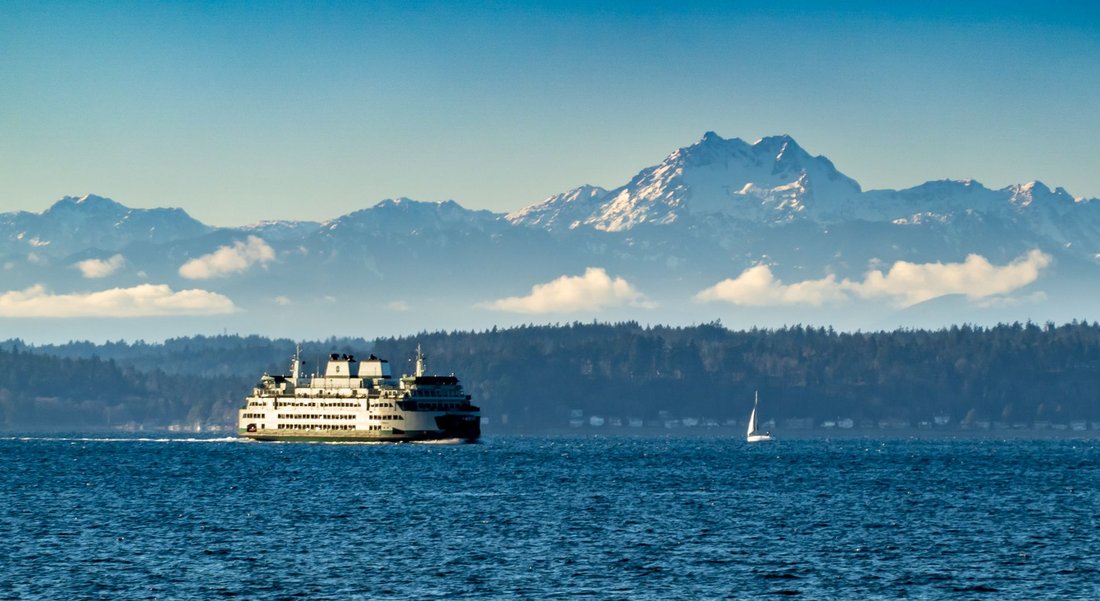
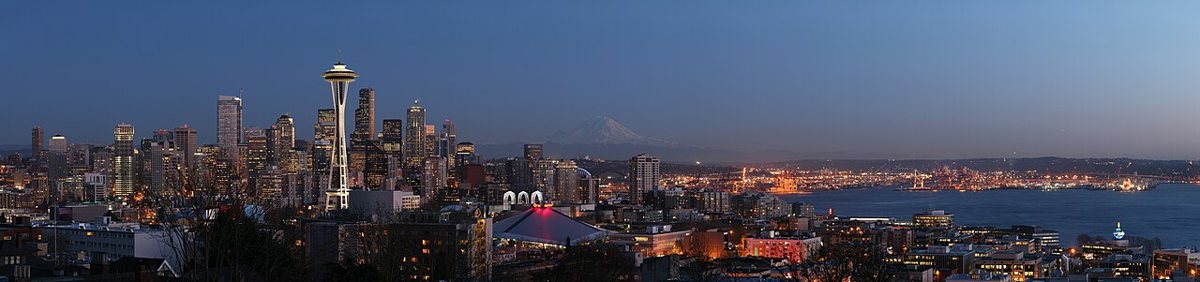
By six on a clear Saturday, the ferry line for Bainbridge Island already wraps past the espresso cart at Colman Dock, and nobody seems to mind. A dog sleeps on a cooler in the bed of a pickup. A couple argues cheerfully about whether they packed the good coffee or the instant stuff. Drive down from Capitol Hill or Queen Anne on a morning like this and, if you're lucky, Mount Rainier stands clear above the skyline to the south, what people here just call the mountain being out. That's the real logic behind the best day trips from Seattle: leave a damp gray morning in the city and be standing in sun, snow, or a field of tulips within two hours, sometimes less.
This isn't a city that needs an excuse to leave town. Ask around the office on a Friday and half the department has a destination already picked, a cooler already packed, boots already by the door. The geography does the work. Puget Sound sits to the west, the Cascades rise to the east, Mount Rainier anchors the southern view on a clear day, and the Skagit Valley turns into a quilt of tulip color every spring an hour or two north. What follows is a real accounting of where Seattleites actually go, organized the way you'd plan it yourself: islands by ferry, the mountains along I-90, the high Cascades and their national parks, the tulip fields north of the city, and the run south toward Rainier and Tacoma. Timing changes almost everything about each of these, so treat the season and the day of the week as part of the plan, not an afterthought.
Islands and Ferries: The Best Day Trips From Seattle by Water
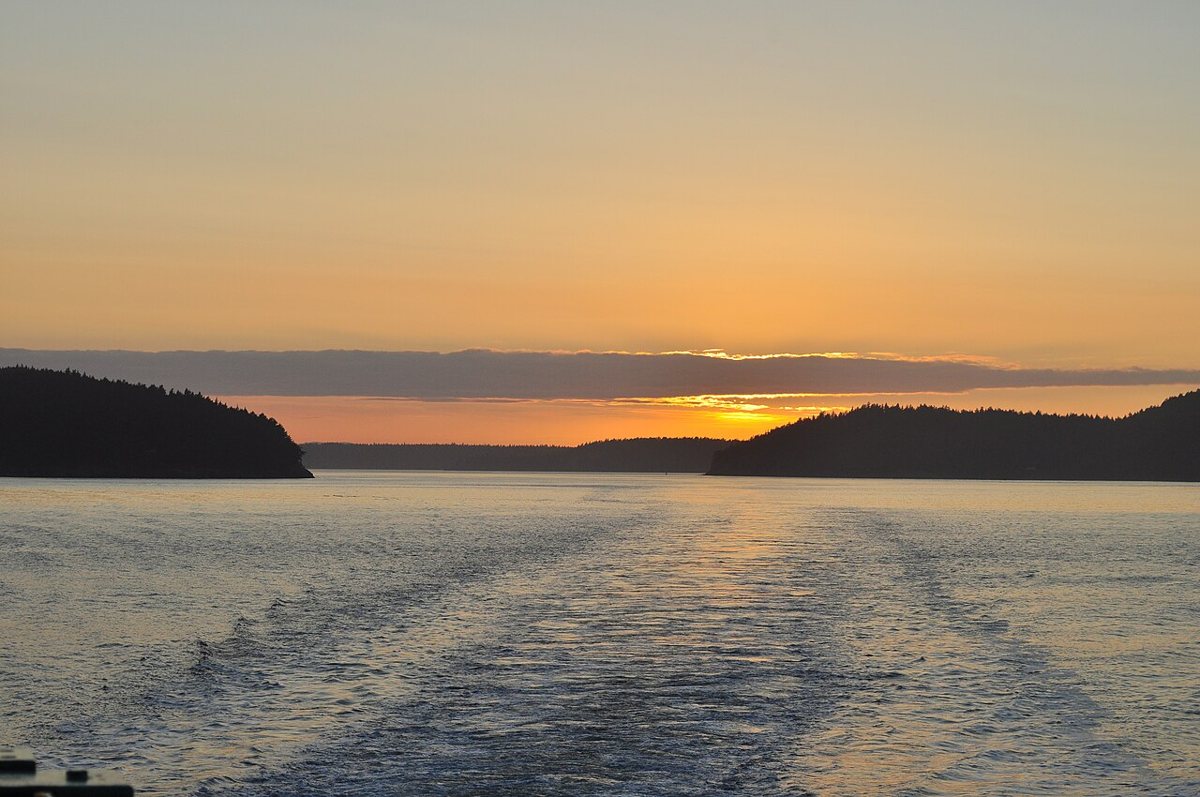
Washington State Ferries runs the largest ferry system in the country, and for a lot of people that system is the day trip. You don't need a car to enjoy most of these islands, though having one opens up more ground. Walk-on passengers skip the vehicle line entirely, which on a summer weekend can save an hour or more. The crossings themselves are part of the appeal: gulls trailing the wake, container ships moving through the shipping lanes, the skyline shrinking behind you.
Bainbridge Island
The Bainbridge ferry is the easiest exit from the city, a straight shot from Colman Dock that takes about thirty-five minutes and drops you in a small, walkable downtown built for wandering. Winslow Way is lined with bookstores, a well-loved hardware store, and enough coffee shops to fuel an afternoon of doing very little. Bainbridge also has real trails through Grand Forest and a shoreline park at Fay Bainbridge if you want to sit and watch the water instead of shop, and the Bloedel Reserve, a quiet forested garden on the island's north end, is worth the short drive for anyone who wants an hour of near total silence under second-growth trees. The insider move is to walk on rather than drive on; the town center is close enough to the terminal that a car mostly gets in the way, and you'll spend less time in the return line home.

Vashon Island
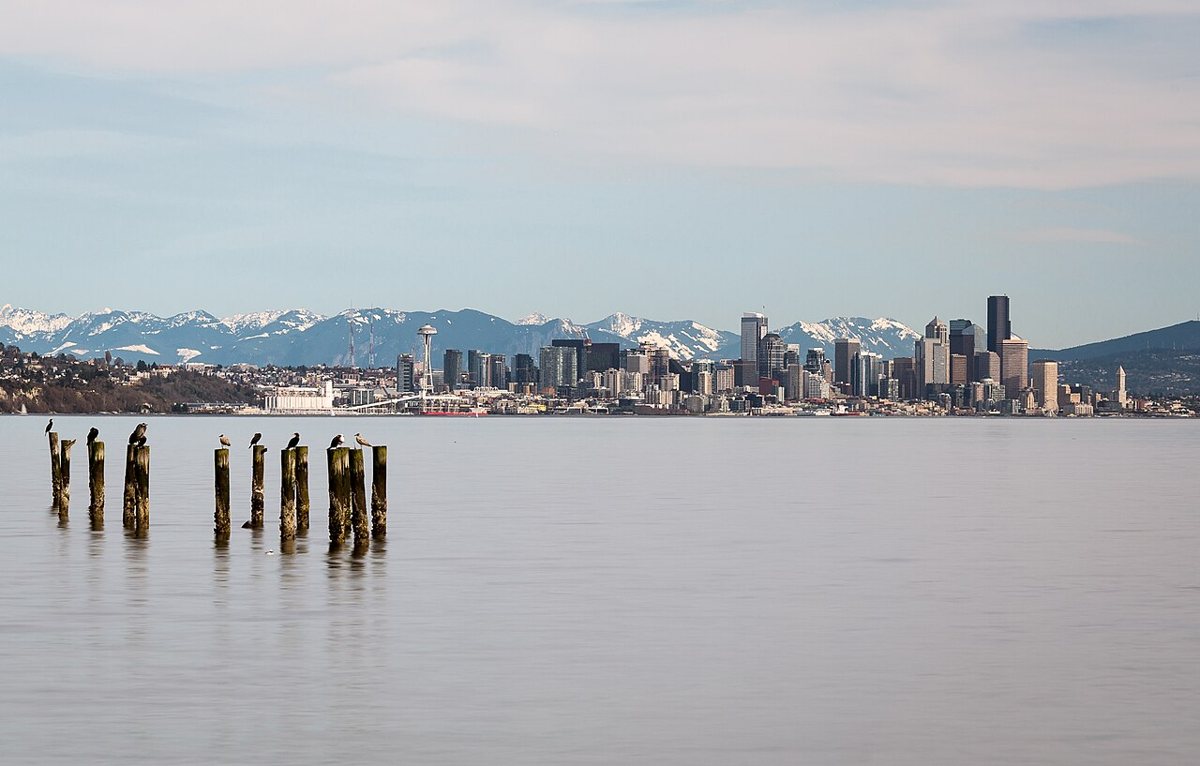
Vashon gets a fraction of the visitors Bainbridge does, mostly because it takes a little more planning to reach, either by ferry from West Seattle's Fauntleroy dock or from Tacoma. What you get in exchange is a slower, more agricultural island: farm stands, a scatter of studios where working artists actually sell out of their own garages, and roads built for a bike more than a bus tour. Cyclists treat the island's rolling, low-traffic loop as one of the better rides within reach of the city, and the bluffs above the beaches show off the same glacial geology that shaped most of Puget Sound. Point Robinson Park, with its working lighthouse, is the kind of spot locals mention only when pressed. The tip worth knowing is that Vashon has no direct ferry from downtown Seattle, so build the Fauntleroy crossing into your timing, and expect the island's one main road to feel like a completely different pace of life within ten minutes of stepping off the boat.

Whidbey Island
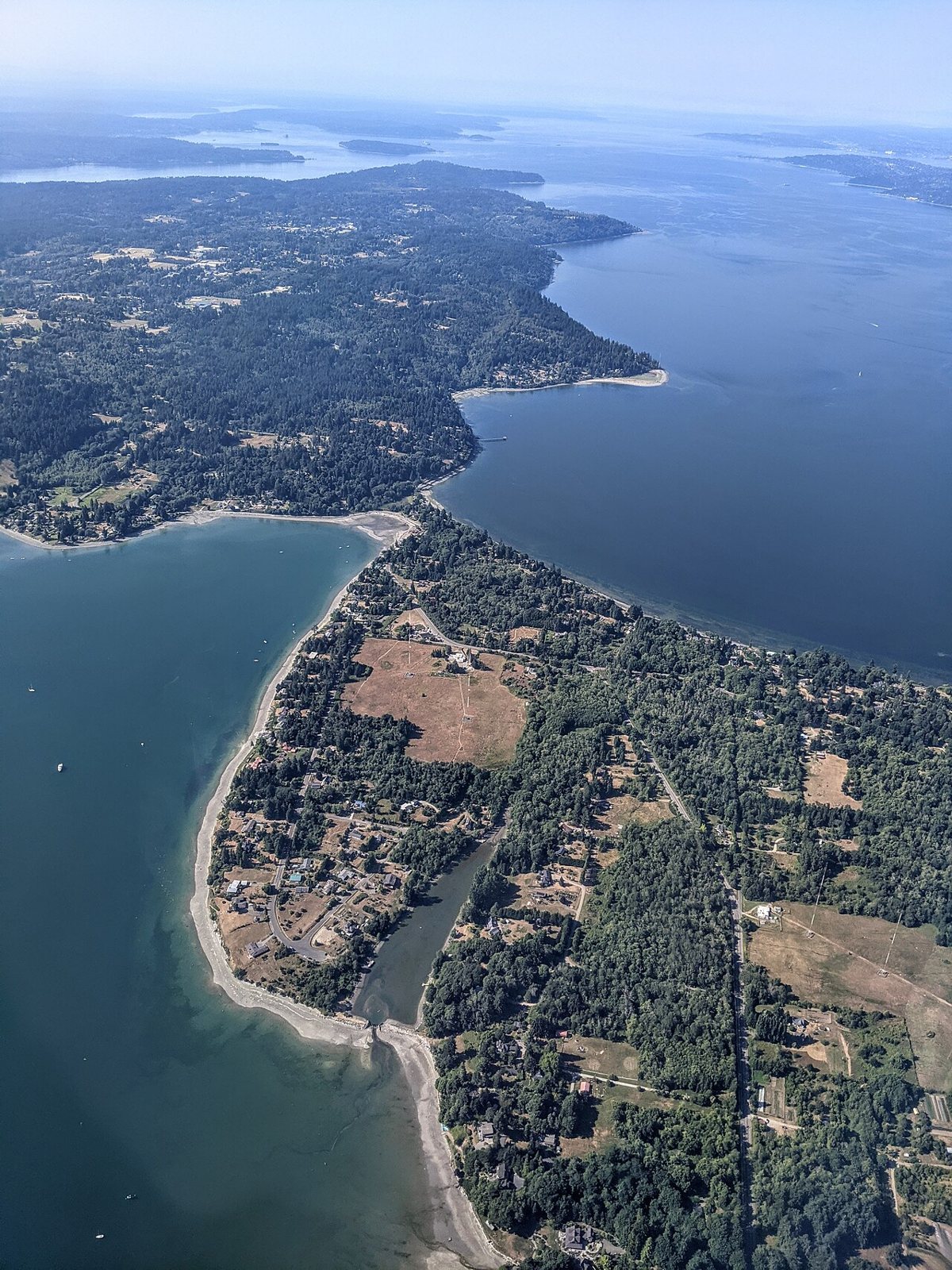
Whidbey is long enough that it rewards a full day, reachable either by ferry from Mukilteo, north of the city, or by driving up and over Deception Pass Bridge from the mainland. Coupeville's small historic waterfront and Fort Casey's old gun batteries overlooking the strait are worth the stop, and the drive itself, along bluffs with sudden water views, is most of the reason to go. Ebey's Landing, a national historical reserve near Coupeville, adds a bluff-top trail with views across the strait toward the Olympics that gets far less traffic than it deserves. Deception Pass State Park, at the island's north end, draws its own crowd for the bridge alone, a narrow span more than 180 feet above a churning tidal channel that locals will happily tell you not to look down from. The tip here is to go against the grain: drive up via the bridge and come back down by ferry, or the reverse, so you're not retracing the same road twice.

San Juan Islands
The San Juans are the full-day, maybe overnight, version of the island trip, and the one out-of-towners ask about most. The ferry from Anacortes, itself about ninety minutes north of Seattle, winds through the archipelago before reaching Friday Harbor on San Juan Island, the most developed of the group and a reasonable base for a single-day visit. Whale watching trips leave from the harbor regularly, and even without a boat you can often spot orcas or minke whales from Lime Kiln Point State Park on the island's west side, one of the few places in the country where you can watch for whales from dry land. Sea kayak outfitters around Friday Harbor rent by the half day for anyone who'd rather get on the water than watch it from shore. The honest tip: the ferry schedule and vehicle reservations fill up fast in summer, so check current sailings well ahead, and know that a day trip here really means a day spent mostly in transit if you're coming from Seattle proper. Plenty of people treat it as an overnight instead and don't regret it.

East on I-90: Waterfalls, Wine, and the Cascade Foothills
Head east out of the city on I-90 and the transition happens fast. Within half an hour the suburbs give way to forest, and the road starts climbing toward Snoqualmie Pass, which doubles as a ski area in winter and a hiking gateway the rest of the year. This corridor holds some of the easiest, least-planning-required trips on this list, good for a half day or stacked together into a full one.
Snoqualmie Falls
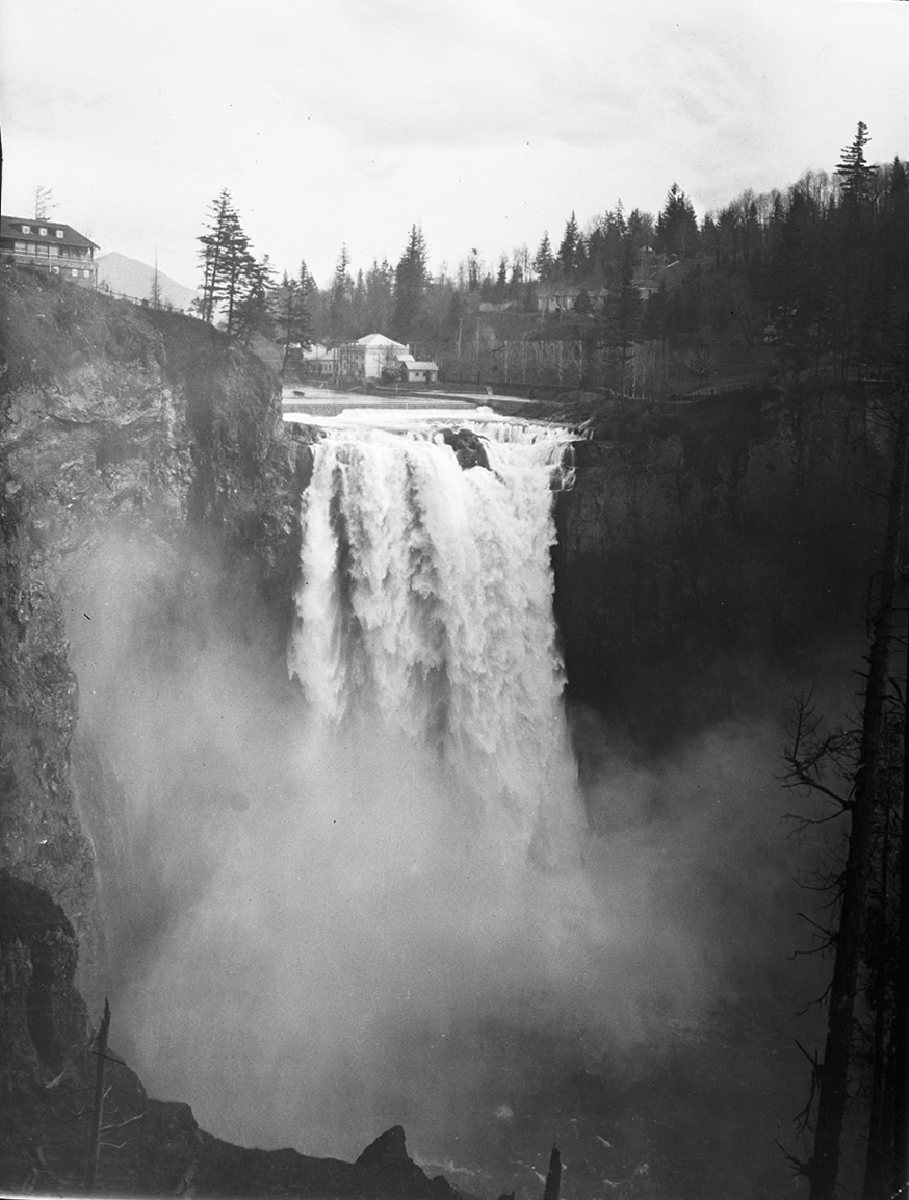
Snoqualmie Falls drops 268 feet, taller than Niagara, into a gorge about thirty minutes from downtown Seattle, and the viewing platform sits close enough to the parking lot that this qualifies as one of the lowest-effort great views in the state. Go early or on a weekday if you want the platform to yourself; midday on a summer Saturday it can feel more like a theme park queue than a waterfall. Below the falls, a short trail leads down toward the river, and the historic lodge at the top has a restaurant if you want to make a slower morning of it. The tip locals share is to check the falls after a heavy rain, when the flow triples and the whole gorge fills with mist.

Woodinville Washington
Woodinville sits closer to the city than most people expect, roughly thirty minutes northeast of downtown, and it packs more than a hundred tasting rooms into a compact stretch of what used to be farmland. This isn't Walla Walla or the Yakima Valley, the state's actual wine-growing regions, but rather where those wineries and plenty of smaller producers pour what they've made, alongside a handful of breweries and cideries for anyone who'd rather skip the wine altogether. Chateau Ste. Michelle's grounds host outdoor concerts in summer, and the Hollywood District's tasting rooms are close enough together to walk between a handful in an afternoon; the Sammamish River Trail also runs right past the district for anyone who'd rather bike the loop than drive it. The practical tip is to designate a driver or book one of the wine-tour vans that run circuits between tasting rooms, since parking is tight and nobody wants to end their proper wine country weekend with a citation.

The High Cascades and National Parks
This is where a day trip starts to require a little more respect for the mountains. Passes close in winter, weather changes fast at elevation, and the drive itself, not just the destination, becomes part of what you came for. Conditions that look mild from a downtown office window can mean snow at 4,000 feet, so pack for the mountain you're driving to, not the one you're leaving. If you're the type who wants a serious day hike rather than a scenic pullout, this is the section to plan around.
Mount Rainier National Park
Rainier anchors the entire regional identity, the peak everyone in Seattle glances at on a clear day without quite admitting how much they depend on it being there. Paradise, on the mountain's south side, is the classic entry point, with meadows that turn into a genuine wildflower show by midsummer and trails that range from a paved loop to a real climb toward the Muir snowfield. Sunrise, on the drier east side, opens later in the season but rewards the extra driving with fewer crowds and a different angle on the summit entirely. The drive runs a little over two hours depending on which entrance you use, and the mountain generates its own weather, so a sunny morning in the city guarantees nothing once you're at elevation. The tip experienced visitors pass along is to start early, both because afternoon clouds frequently roll in and swallow the summit view and because the entrance road backs up badly once the day-use lots fill.

North Cascades National Park
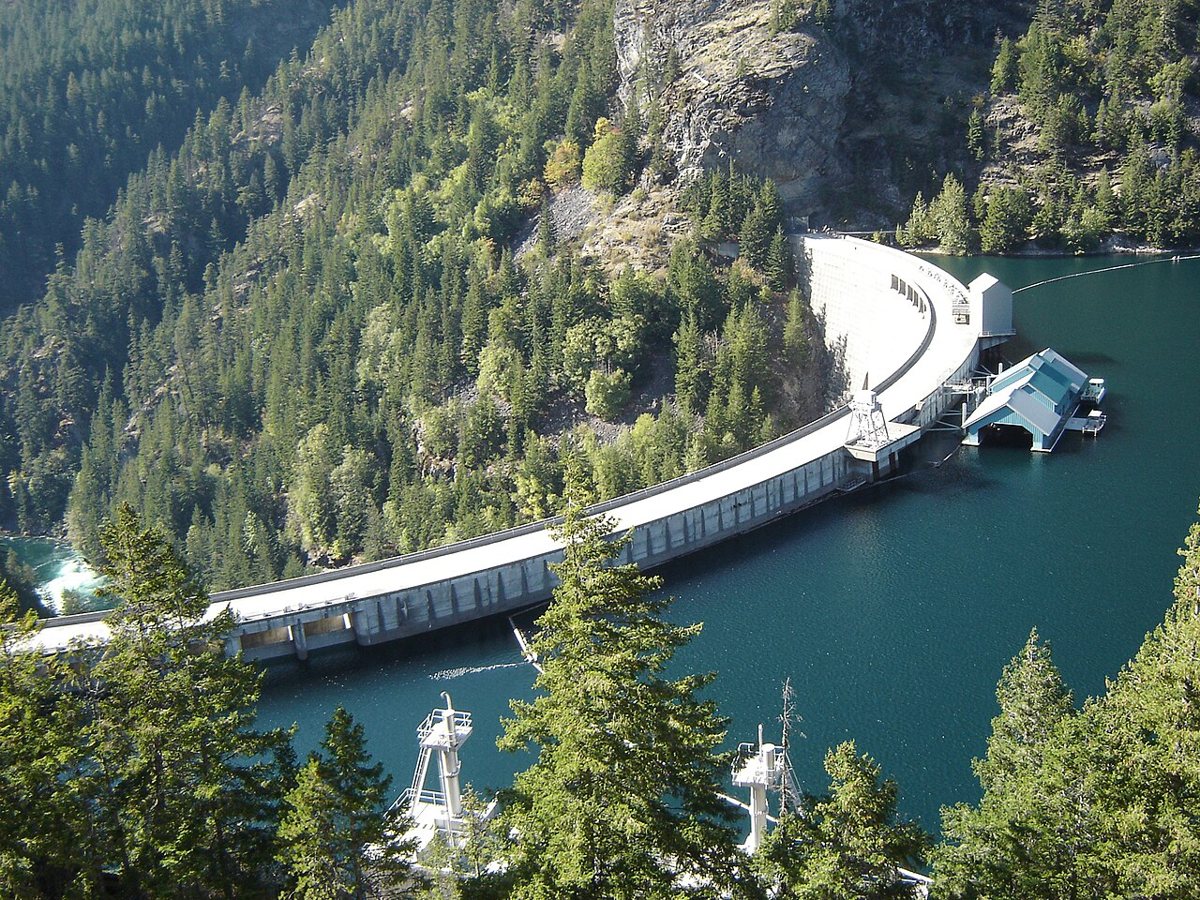
North Cascades gets a fraction of Rainier's visitors despite scenery that regularly gets compared to the Alps, mostly because it's farther, roughly three hours northeast of Seattle along Highway 20. The reward for the extra driving is Diablo Lake, an impossible turquoise from glacial silt, and a string of overlooks along the North Cascades Highway that require nothing more than pulling off the road. Further along, the trailhead at Cascade Pass leads into some of the more dramatic alpine terrain in the state for anyone willing to turn the day trip into something closer to a full hike. Mount Baker, further west near the Canadian border, makes a good companion stop or an alternative trip entirely if you'd rather center a day around a single dramatic peak than a whole range. The one thing to know before you go: the North Cascades Highway closes for the winter, typically sometime in late fall depending on snowfall, and doesn't reopen until spring, so this is strictly a warm-season plan.

Leavenworth Washington
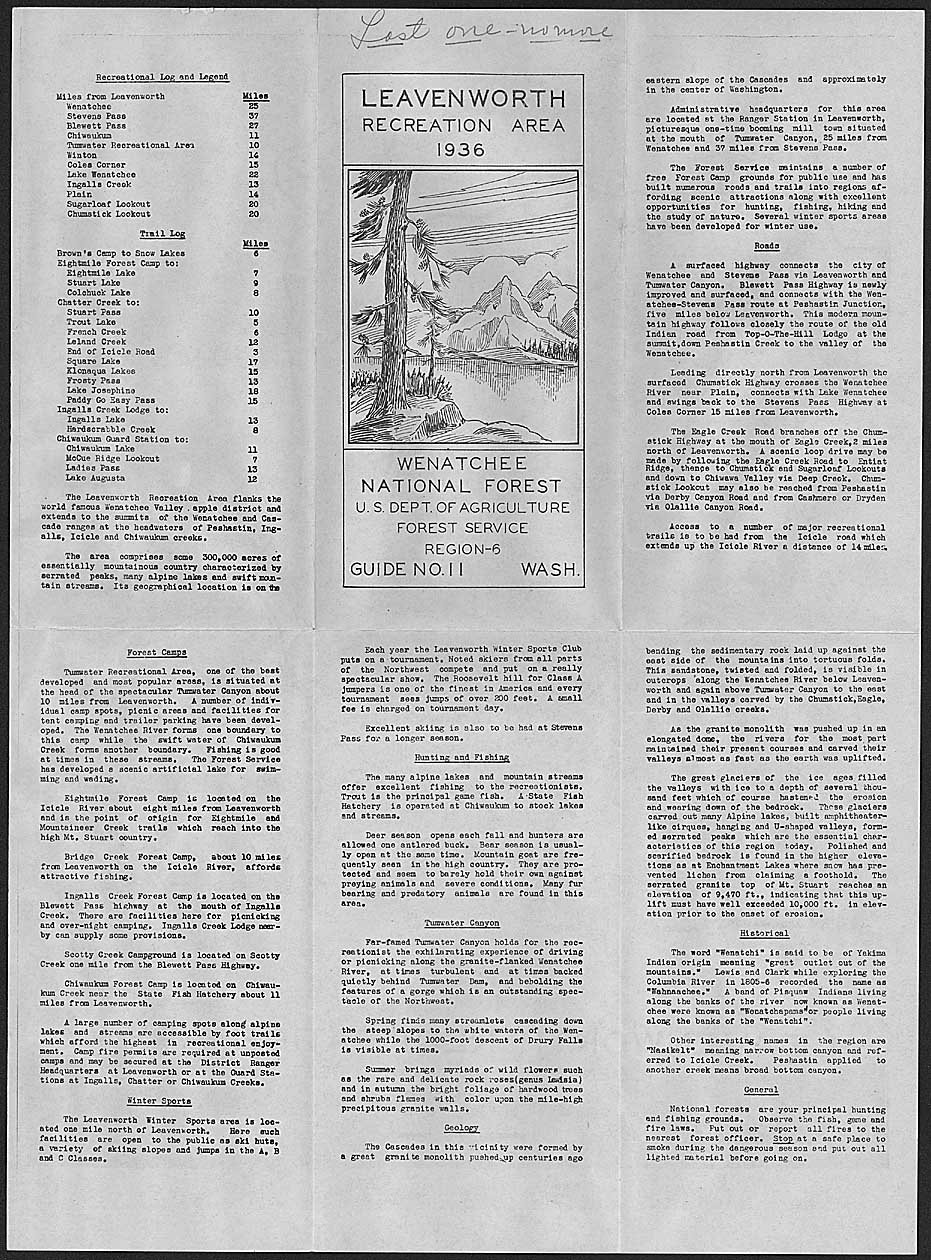
Leavenworth committed decades ago to a Bavarian-village theme, and whatever you think of that choice on paper, it works in person, especially with actual alpine peaks rising behind the half-timbered storefronts. The drive over Stevens Pass takes a little over two hours, and it earns the trip on its own, particularly in fall when the larches along the higher stretches turn gold. Beyond the theme-town core, the surrounding area has genuine hiking through the Icicle Creek canyon, river rafting on the Wenatchee, and orchards that sell fruit straight off the truck in late summer. The tip worth knowing is to visit on a weekday if you can; weekend parking downtown gets difficult by midmorning, and the town's charm holds up a lot better without a crowd shuffling through it.

North to the Tulips and the Skagit Valley
La Conner Washington (Skagit Valley tulips)
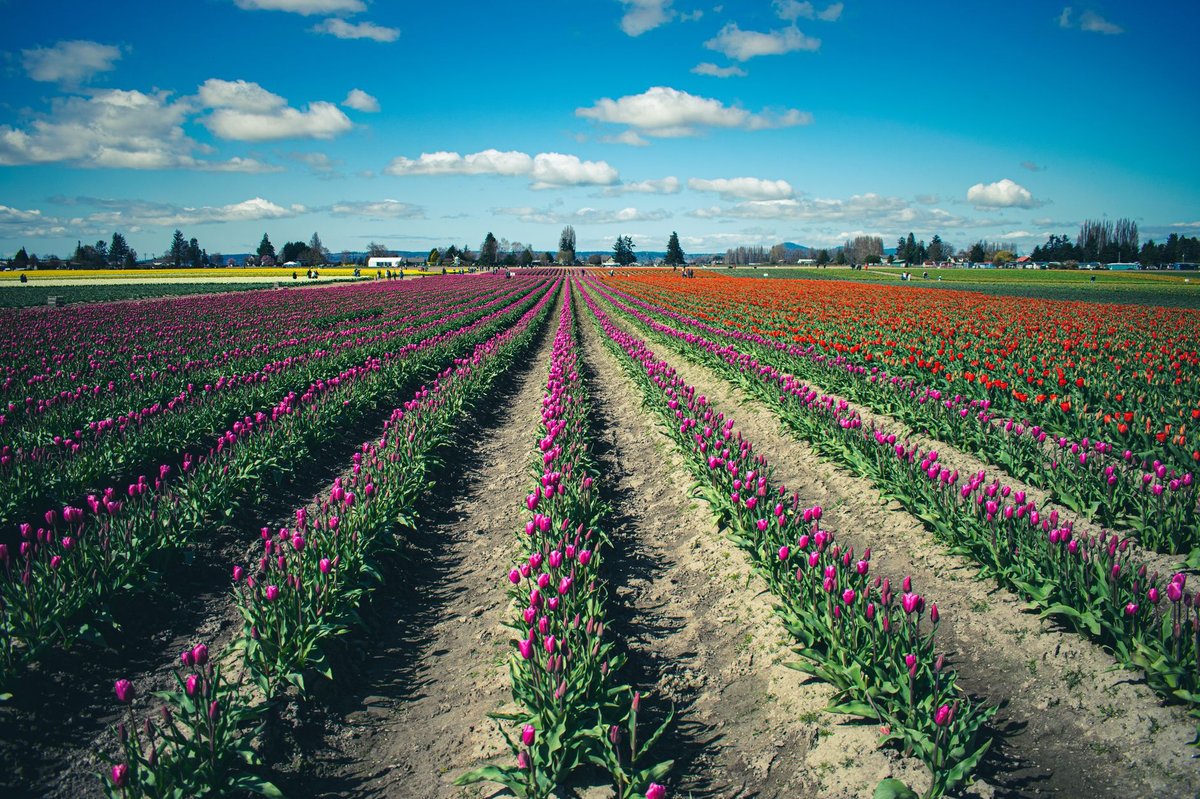
The Skagit Valley turns into rows of red, yellow, and purple every spring, and La Conner, a small waterfront town on the valley's edge, makes the best base for seeing it. The tulip fields themselves are working farmland, not a formal garden, which means the bloom's timing shifts year to year with the weather, so anyone planning a visit around peak color should check current bloom reports rather than pick a fixed date months out. The flats around the fields also draw serious numbers of migratory birds each winter, snow geese and trumpeter swans among them, which makes the valley worth a look even outside tulip season. La Conner's own downtown, a few blocks of galleries, bookshops, and a channel full of fishing boats, is worth the stop even outside bloom season. The tip locals repeat every spring: go on a weekday morning if possible, since weekend traffic through the flat farm roads can turn a scenic drive into a long crawl behind everyone else with the same idea.
South to Tacoma and the Volcano
Tacoma Washington
Tacoma spent years living in Seattle's shadow and functioning as the butt of jokes about the smell from its old paper mills, which have mostly closed. What's there now deserves an honest look on its own terms: the Museum of Glass, a legacy of Dale Chihuly's ties to the city, the Chihuly Bridge of Glass connecting downtown to the waterfront, and a genuinely walkable core along Pacific Avenue. Point Defiance Park, one of the largest urban parks in the country, has old-growth forest, beaches, and a zoo, all about forty-five minutes south of Seattle by car or a scenic ride on Sounder commuter rail. Car enthusiasts tend to make a separate stop at the LeMay car museum near downtown, one of the largest collections of its kind in the country. The tip for anyone who's only driven past on I-5: get off the freeway and actually walk downtown, since the city looks completely different from the ground than it does at 60 miles an hour on I-5, which is all most Seattleites ever see of it.


Mount St. Helens
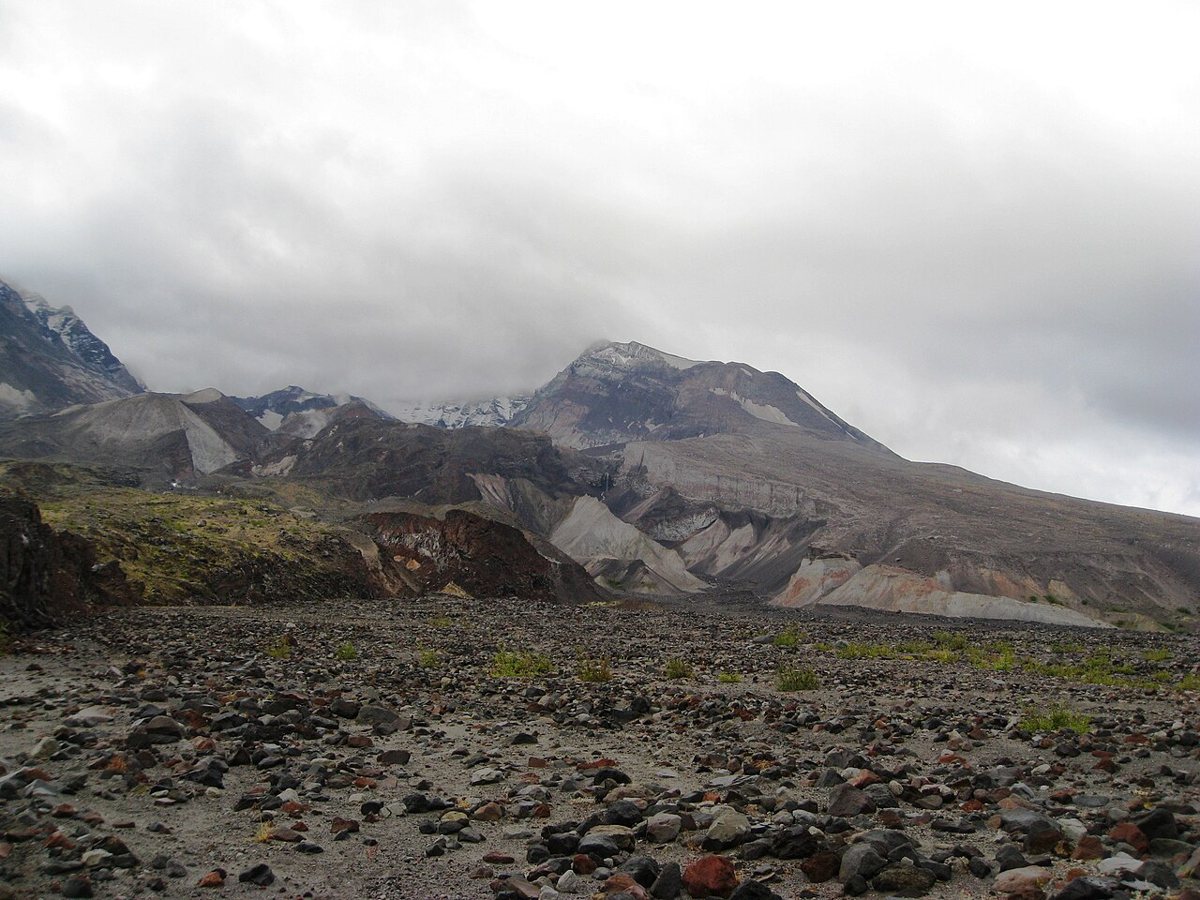
This is the trip for anyone who wants a landscape that still looks like something happened here, because it does. More than four decades after the 1980 eruption, the blast zone is still visibly recovering, all silvered stumps and new-growth forest pushing up through volcanic ash, and the Johnston Ridge Observatory area offers a direct view into the crater when conditions allow, though access on the north side has faced periodic closures for road repair, so check current conditions before committing to a route. On the mountain's south side, Ape Cave, one of the longest lava tubes in North America, gives a completely different, cooler experience underground for anyone burned out on viewpoints. The drive runs close to three hours each way, long enough that this works better as a trip you build a whole day around than tack onto something else. The tip from people who've made the drive more than once: the visitor facilities and access roads on the mountain change more often than most destinations on this list, so a quick check of current status before you leave saves a wasted afternoon.

The Practical Part: Ferries, Passes, and Timing
- Washington State Ferries schedules shift seasonally, and vehicle reservations for the San Juan and other popular routes can fill up during summer, so check the current schedule before you leave rather than assume the sailing you remember from last year still runs.
- Mountain passes like Snoqualmie, Stevens, and the North Cascades Highway all handle weather differently. Snoqualmie stays open year-round but can require traction tires or chains in winter storms. The North Cascades Highway closes entirely for the season. Always check current pass conditions before a Cascades trip outside summer.
- Weekday trips beat weekend trips almost everywhere on this list. The same drive that takes two hours on a Tuesday can take three and a half on a Saturday, and popular parking lots at places like Snoqualmie Falls or Mount Rainier fill by midmorning in season.
- Plenty of this is free or close to it. Ferry walk-on fares are modest, downtown Bainbridge and La Conner cost nothing to wander, and many state park viewpoints don't require anything beyond gas money, though trailhead parking at Washington state parks often requires a Discover Pass and national parks charge their own entrance fee.
- Fill the tank before you leave the city. Gas stations thin out fast once you're past the suburbs, especially heading into the mountains or up into the islands.
- Start early. Not for the traffic alone, though that matters, but because mountain weather and cloud cover both tend to build through the afternoon, and the clearest views of Rainier, the Cascades, or the Sound almost always belong to whoever left the house first.
None of this requires much gear or much money, which is more or less the point. Nobody here treats a day trip as a production. You throw a rain shell in the car out of habit, not dread, because the drizzle everyone assumes defines this place is mostly a light, forgettable thing you stop noticing by April. The food along the way rarely gets discussed the way it should; a farm stand peach in Leavenworth or a plate of fried oysters in a Tacoma diner tells you more about how this region actually eats than any downtown tasting menu does. The real currency in Seattle isn't how far you traveled or how much you spent getting there. It's whether you got out at all, whether you stood somewhere with a real view and let a Tuesday feel like it mattered. The mountain doesn't come out every day. When it does, the smart ones are already in the car.