Best Italian Restaurants in Capitol Hill: A Local's Guide
Capitol Hill has never needed a red-sauce district to have serious Italian. You just have to know where the neighborhood's restless palate has landed.
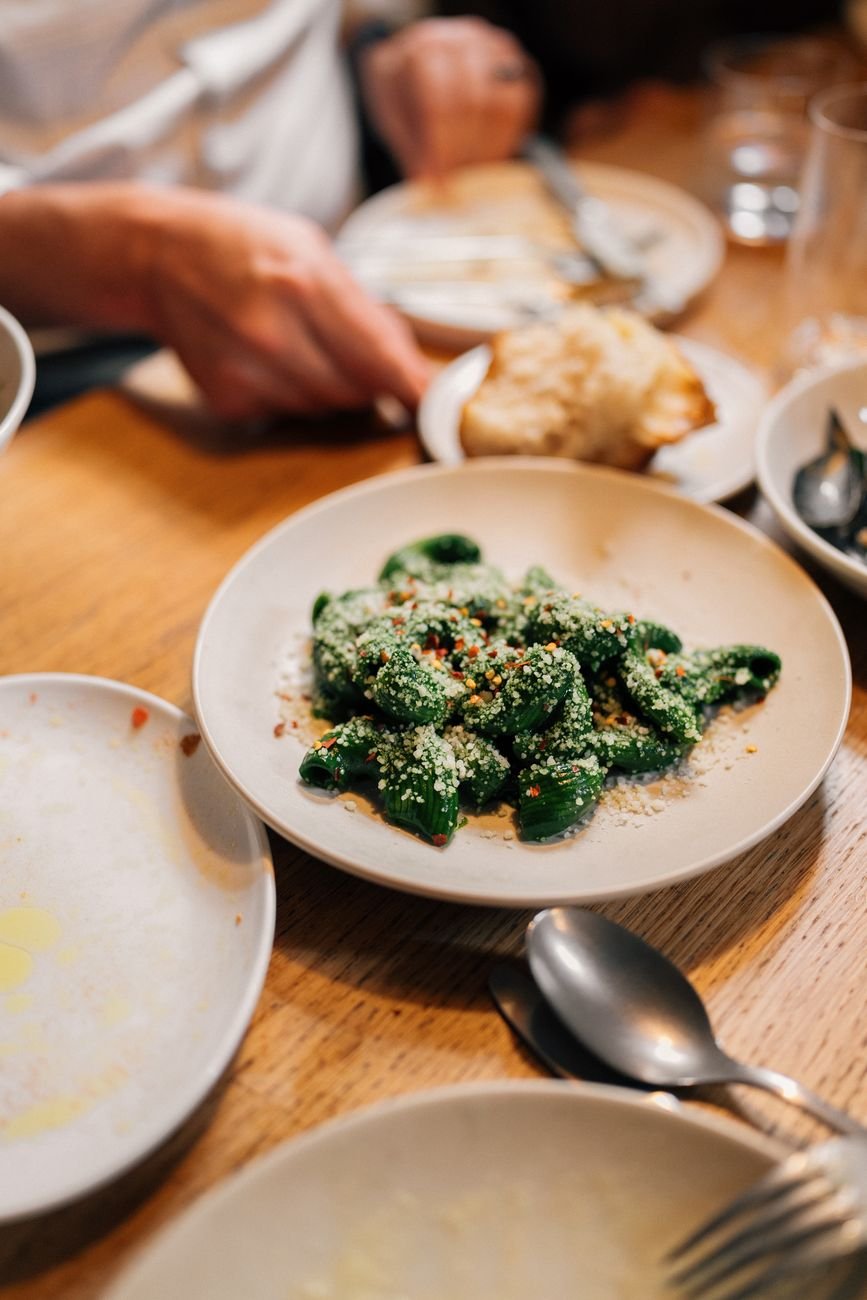
Capitol Hill on a Tuesday night has its own particular rhythm: the drag performers who share a dressing room with the sound booth, the dog tied to the bike rack outside the natural wine bar, the couple splitting a bottle on the steps of Cal Anderson because the inside felt too loud. This is not a neighborhood that eats Italian because it's romantic or safe. It eats Italian because it gets interested in things — fermentation, specific grain varietals, the difference between Ligurian and Roman traditions — and then it argues about them in group chats until someone makes a reservation.
Finding the best Italian restaurants in Capitol Hill is less about consulting a ranked list than understanding what the neighborhood actually values: technical honesty over performance, ingredients that can stand on their own, and a room that doesn't make you feel like you've wandered into a film set about Italy. The diners here read labels. They ask where the olive oil is from. They have opinions about natural wine that they'll share if you give them an opening.
What Good Italian Looks Like in Capitol Hill
The restaurants worth your time on the Hill tend to share certain habits. The pasta is made in-house or sourced with intention. The menu is short enough that the kitchen clearly knows what it's doing. The room has some noise to it — not chaos, just the sound of people who came to eat rather than to be seen eating. Servers can tell you which region a dish comes from without checking with the back.
That last part matters more than it sounds. Italian cuisine is genuinely regional in a way that gets flattened when a restaurant just wants to sell you what feels familiar. A place doing serious Emilian food thinks differently about fat and richness than one working in a Roman idiom. The Hill has always attracted the kind of cook who sweated that distinction before opening, which means the neighborhood's Italian options have generally aged well even as the dining scene around them has churned.
Practically, look for a pasta section that changes with the season, a wine list that includes producers from less-obvious Italian regions, and at least one dish that requires an explanation. If the menu reads like it was designed to require no explanation at all, that's a data point.
The Best Italian Restaurants in Capitol Hill: How to Choose
The Hill's Italian spots fall into a few loose categories, and knowing which you're in the mood for saves the evening. There are the small, counter-service-adjacent places built around a single format — a particular style of pizza, or pasta with two or three rotating sauces — where the whole point is the lack of flourish. These are the rooms where the staff eats dinner after their shift, which is always a good sign. Then there are the more composed dinner spots, slightly more room between tables, where you're expected to linger and the bill reflects that expectation.
Neither is inherently better. A great Roman-style pizza al taglio on a paper plate after a show at Neumos is not a lesser experience than a tagliatele al ragù on real linen. The mistake is applying fine-dining criteria to the former or casualness-seeking energy to the latter. The Hill, to its credit, rarely makes that mistake. Locals tend to know what they're walking into and calibrate accordingly.
For a longer dinner, a few principles: arrive before the rush or after it. The Hill's kitchen windows are small and the cooks are working hard; timing helps everyone. Order the pasta over the proteins unless something genuinely unusual is on the secondi list. Drink Italian if the list is thoughtful — there's no better argument for why Sicilian whites or northern reds work that won't be settled faster than just trying one.
Neighborhoods Within the Neighborhood
Capitol Hill isn't one place. The stretch along Pike and Pine, with its bars and late-night density, eats differently than the quieter residential blocks south toward First Hill or the pockets near 15th Avenue where the mood is closer to Madrona than to Pike-Pine corridor. Italian restaurants have taken root in both registers.
If you're on the livelier end, proximity to a bar crawl is part of the calculus — something that handles noise well, that has a bar of its own, that does good cured meat and small plates alongside pasta if the group isn't fully committed to a sit-down dinner. If you've migrated to the quieter end, you probably want the full meal: a proper antipasto, something braised low and slow, a dessert that was made that day. The neighborhood offers both. The trick is not treating them as interchangeable.
For context on how the Hill fits into the city's broader Italian conversation, it's worth knowing that the city's Italian dining scene has shifted considerably in the last decade toward regional specificity and away from the red-checkered-tablecloth generic. Capitol Hill was ahead of that curve, which is consistent with how the neighborhood tends to work.
What to Order (Generally Speaking)
- House-made pasta over dried, almost always — if a kitchen is rolling pasta in-house, that's where their attention is focused.
- The dish with the shortest description on the menu. Chefs who know what they're doing don't need to explain it at length.
- Whatever is listed as a daily special. Italian cooking is seasonal in a way that the fixed menu can't always capture.
- A glass of something orange or a lightly chilled red if the server looks like they have an opinion about it. They probably do.
- Dessert if it was made in-house. Skip it if it came off a sheet tray from somewhere else — that's not an insult to the restaurant, just an honest allocation of stomach space.
A Note on the Room
Capitol Hill Italian restaurants have, in general, figured out that the room is part of the food. Lighting that makes the pasta look good also makes the people eating it look good. Sound levels that allow for actual conversation without requiring you to read lips. These are not accidents — they're decisions made by people who have eaten in a lot of bad rooms and remember why they were bad.
The neighborhood has also gotten more interesting on the natural and low-intervention wine front in recent years, and Italian restaurants have benefited from that rising tide. A short, considered Italian list is more common now than it was five years ago, which raises the floor for everyone.
In the end, Capitol Hill Italian cooking asks you to care a little. Not about status or price point, but about the thing itself. Show up curious, ask what's good tonight, and let the kitchen show you what it knows. That's the bargain, and it's been a good one.