Best Italian in Ballard: A Local's Guide
Ballard traded cod for carbonara without losing its work-boot soul, and finding the best Italian in Ballard means knowing what the neighborhood's old buildings and new kitchens are actually good at.
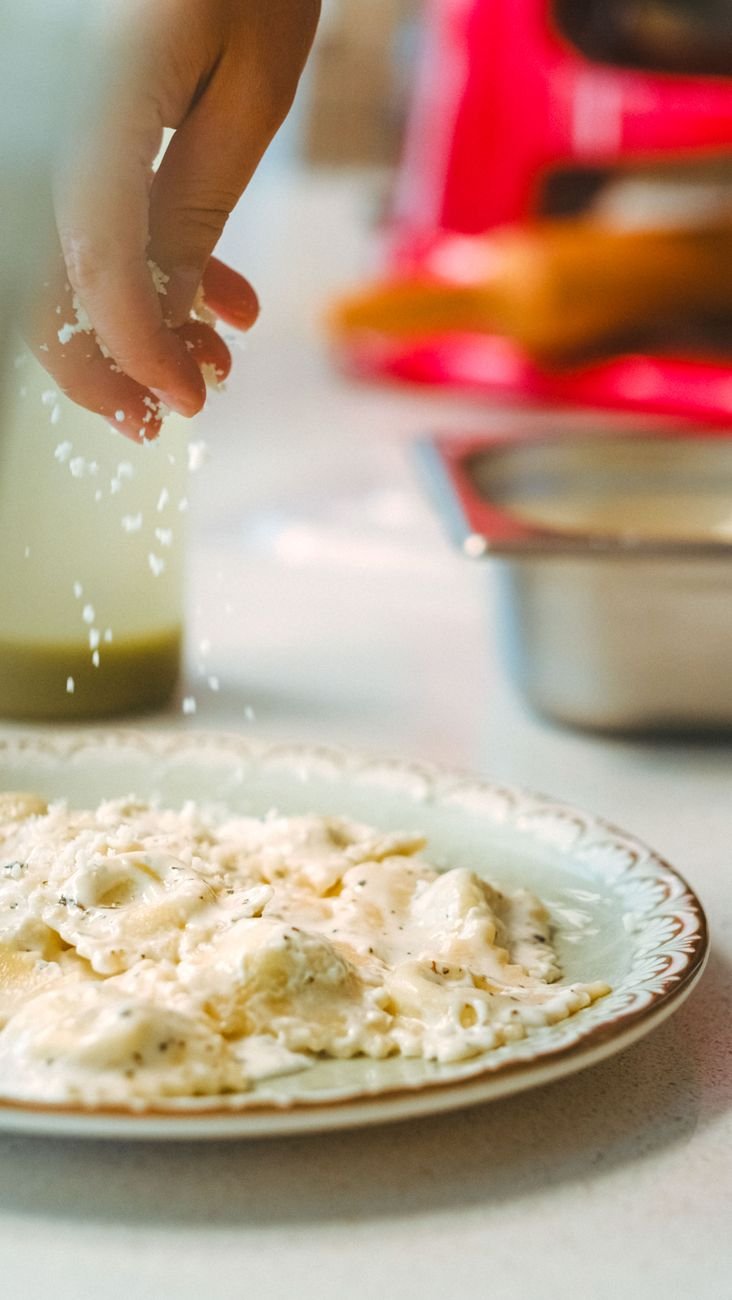
Walk Ballard Avenue on a Tuesday around six and the block smells like garlic browning in butter, cut with salt air drifting up from the fish ladder at the Ballard Locks. That combination is not an accident. Ballard's old brick storefronts, built a century ago for chandleries, net menders, and Scandinavian mercantiles, now hold some of the city's most serious cooking, and the search for the best Italian in Ballard usually starts right here, on the cobblestone stretch where the sidewalks narrow and half the doors have a hand-lettered specials board propped in the window.
This is still a fishing village at heart, just one that swapped herring boats for reservation books. The Norwegian and Swedish immigrants who built Ballard left behind a maritime bluntness that never fully went away, even as brewery taprooms and wine bars filled in the old warehouses. That history matters for how Italian food gets cooked here. The kitchens tend to treat pasta the way a fishmonger treats a fish: simply, with respect for where the ingredients came from, and without much interest in impressing anyone.
What Sets the Best Italian in Ballard Apart
Seattle diners are famously unshowy about food, and Ballard's Italian scene reflects that. The best rooms are not chasing white-tablecloth formality. They are converted storefronts and old maritime buildings with concrete floors, open kitchens, and a wine list that a server can actually talk you through without a script. Housemade pasta is the baseline test, not the selling point. If a kitchen is not extruding or hand-rolling its own noodles on a given day, that is worth noticing.
The other local marker is restraint with Pacific Northwest ingredients. Cooks who understand Italian technique do not dump Dungeness crab or geoduck onto a plate to prove a point. They fold local shellfish into a classic sauce the way a Ligurian cook would use whatever came off the boat that morning: sparingly, seasonally, and only when it earns its place. A late-summer plate built around local clams, a little chile, and good olive oil says more about a kitchen's judgment than any elaborate composition would.
Reading a Ballard Menu Like a Local
Ballard's dining strip runs loosely along Ballard Avenue and spills onto Market Street, in the shadow of the same brewery row that put the neighborhood on the map for hop-heads. That proximity shapes the wine and beer lists at Italian spots here more than people expect. Expect Northern Italian whites and skin-contact orange wines sitting next to a rotating tap or two, a nod to Ballard's brewery row next door. A kitchen confident enough to put a hazy IPA on the same list as a serious Barolo is usually confident enough to get the fundamentals right.
A few things to look for when you're deciding where to sit down:
- A pasta list that changes with the season rather than staying frozen year-round
- Bread and olive oil that taste like someone chose them on purpose, not an afterthought
- A short, well-edited wine list rather than an encyclopedic one nobody has tasted through
- Staff who can describe a dish's technique, not just its ingredients
- Evidence of local sourcing that shows up in the cooking, not just on a chalkboard
Timing helps too. The neighborhood empties out a little after the farmers market wraps on Sundays, which makes early dinner a good window if you want a table without a wait. Plenty of cooks in the neighborhood shop that market themselves, so a Sunday visit sometimes lines up with whatever produce just changed hands at the Sunday farmers market a few blocks north.
What to Order
Start with something that tests a kitchen's patience rather than its ambition. A simple cacio e pepe or a butter-and-sage preparation reveals more about pasta quality than a sauce loaded with add-ons ever could, because there is nowhere to hide bad pasta. From there, look for a fish or shellfish course that treats Puget Sound ingredients as Italian cooking would treat any coastal catch: quick heat, acid, olive oil, and little else standing between you and the ingredient.
Braised dishes are worth ordering in the colder months, when Ballard's maritime damp settles in and a kitchen's stock game gets tested. A good ragu or braise should taste like it has been tended for hours, with layers instead of one dominant note. And do not skip dessert on the assumption that Italian kitchens in a beer-and-coffee town phone it in. A simple olive oil cake or a well-made affogato, made with the region's genuinely excellent espresso, tells you whether a kitchen cares about the whole meal or just the main event.
Choosing Where to Go
Ballard rewards diners who treat a night out as neighborhood exploration rather than a hunt for a single crowned winner. The strip between the Locks and Market Street holds enough range, spanning wine-bar small plates and full sit-down trattorias, that the better question is not which restaurant to trust but which kind of night you want. A quick pasta and a glass of something unusual at the bar is a different, equally valid Ballard evening than a slow, multi-course dinner booked two weeks out.
What holds the neighborhood together is a shared refusal to overdress the food. Ballard's Italian kitchens borrow the same unpretentiousness that defines Seattle cooking generally: good technique, good sourcing, not much noise. Judge any place by whether the pasta is made in-house, whether the seafood tastes like it came from nearby water rather than a freezer truck, and whether the room feels like it belongs to the old fishing village it's built in. Get those three right and you'll eat well, whichever door on Ballard Avenue you happen to walk through.