Best Italian in Capitol Hill: A Local's Guide
Capitol Hill has always eaten well on its own terms. Here is how to find Italian worth your time in a neighborhood that rewards the curious.
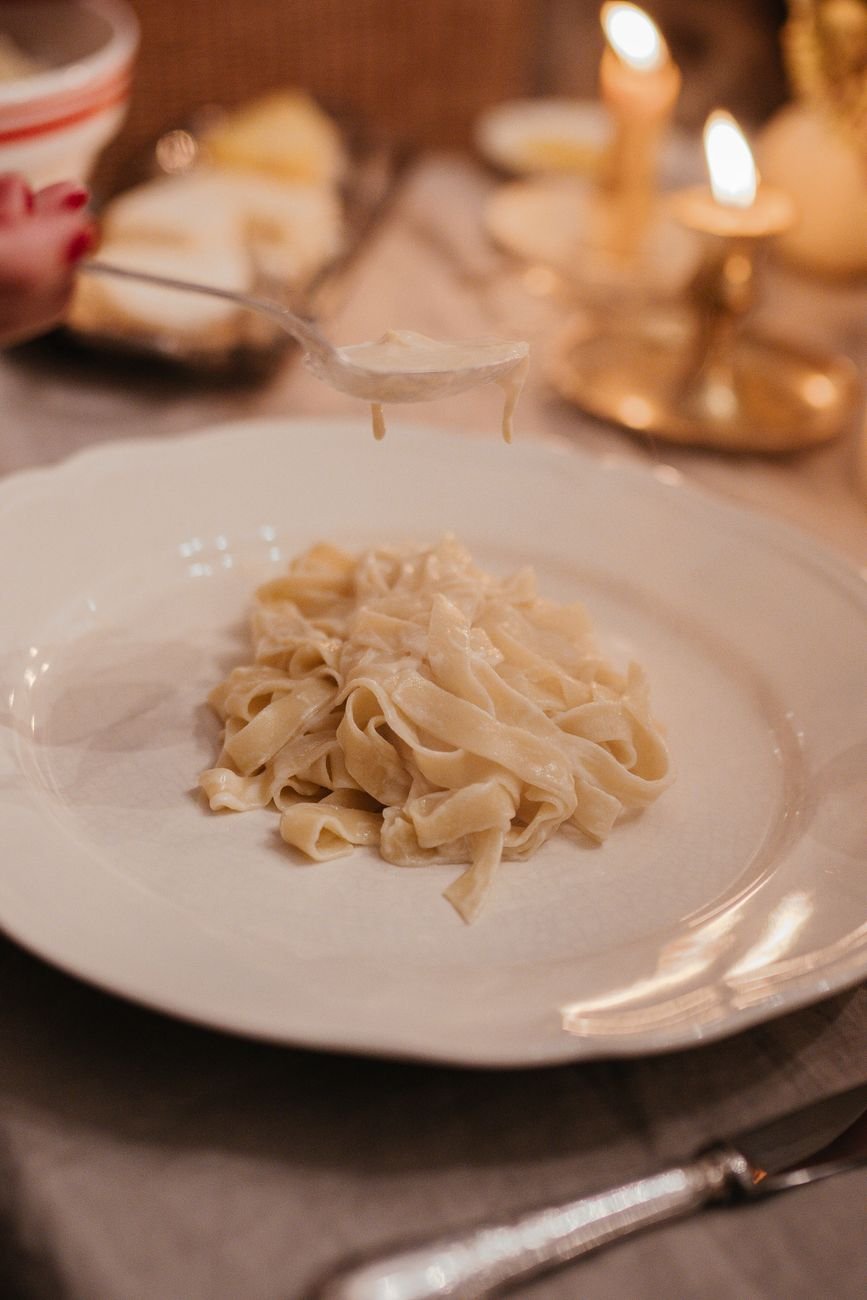
On a Tuesday night in Capitol Hill, the kind of evening where the light goes gold around seven and the hill's tightly packed blocks feel almost Mediterranean, you might find yourself walking past a half-dozen restaurants before you settle. The neighborhood is not short on options. What it sometimes lacks is a clear signal for Italian, a cuisine that in this city has historically lived in the suburbs or in downtown rooms catering to expense accounts. But things have shifted. The best italian in capitol hill today is less about red-checked tablecloths and more about what the neighborhood has always been: opinionated, independent, and not particularly interested in impressing you.
What "Best Italian in Capitol Hill" Actually Means Here
Italian food rewards context. The same dish can feel transcendent or tired depending on who's cooking, what's in season, and whether the room has the right energy. Capitol Hill adds its own layer. This is a neighborhood built on small storefronts, converted houses, and a street-level culture that values character over polish. The Italian places that land here tend to reflect that. Expect intimate rooms, menus that change more than they announce, and a cook's sensibility over a marketeer's. You are not going to find a sprawling Olive Garden situation. Look carefully, though, and you turn up pasta made with some intention, and wine lists that haven't been assembled entirely by committee.
The stretch along Pike and Pine streets, and the quieter residential blocks just off Broadway, reward walking. Pay attention to small rooms with handwritten specials boards. Pay attention to who's eating there: Capitol Hill's regulars are experienced diners who have strong opinions and not a lot of patience for theater without substance.
How to Read a Capitol Hill Italian Room
The first signal is pasta. Specifically, whether it's made in-house. Dried pasta is not a crime. The Italians themselves use it constantly, and there are preparations where it's simply the correct call. But in a neighborhood restaurant positioning itself as a destination, house-made pasta is the honest tell. Watch how it's dressed. Good pasta doesn't hide under sauce; it holds a relationship with it. If the noodle is gluey or the sauce pools at the bottom of the bowl, that's information.
The second signal is the antipasti situation. Italian cooking, at its most persuasive, is about restraint and sequence. A place that opens well, with cured meat sliced correctly, something pickled and bright, and good bread that someone actually made a decision about, tends to carry that care through the rest of the meal. A place that opens with a limp caprese in February is telling you something about its relationship to season and sourcing.
Third: the wine. Pacific Northwest Italian restaurants have no excuse for bad wine lists. Oregon and Washington both produce bottles that pair honestly with the cuisine, and Italy itself sends over enough interesting regional producers that any Italian restaurant with genuine curiosity will have something worth drinking under forty dollars. A list built entirely on brand names you recognize from grocery store shelves is a flag.
The Neighborhood's Character and How It Shapes the Cooking
Capitol Hill is the city's arts and LGBTQ+ hub, and it has been for decades. That history shapes what gets built there and who shows up to build it. The chefs and restaurateurs who open on the Hill tend to have points of view. They are often cooking for a community they're part of, not performing for tourists. That's a meaningful distinction. It means the Italian food you find there is less likely to be a generic category play and more likely to reflect a specific set of choices someone made about what kind of place they wanted to run.
It also means the rooms are small and the margins are tight. Capitol Hill restaurants live and die by their regulars. The ones that survive past their second year have figured out how to be genuinely useful to the people who live nearby: consistent enough to be trustworthy, interesting enough to keep people coming back. Italian is actually well-suited to this. It's a cuisine built on repetition and refinement, on a short menu executed with confidence rather than a long menu executed with uncertainty.
For a different kind of Saturday, Italian on the Hill pairs well with the neighborhood's other pleasures: a morning at one of the neighborhood's reliable weekend brunch spots, an afternoon browsing the independent shops on Pike, and then an evening meal that doesn't require a reservation made three weeks in advance.
How to Order Well
Order the pasta. This sounds obvious, but in Italian-American restaurants there is still a tendency for people to anchor on the secondi, the chicken or the steak or the fish, and treat pasta as a precursor. At a good Capitol Hill Italian spot, the pasta is often the main event. Order a full portion if they offer it, or split two different pastas if the menu allows. Pay attention to the fresh pasta options first; if nothing there appeals, the dried pasta preparations will usually tell you whether the kitchen understands texture and timing.
Ask about the wine by the glass. Any decent Italian room will rotate its by-the-glass selection and the staff should be able to talk about it. If they can't, that's information too.
Skip the garlic bread. Not because it's bad, but because the Italian places worth your time in Capitol Hill will have made a more interesting decision about how to open the meal, and the garlic bread habit can lead you to fill up before the cooking actually starts.
A Word on What Capitol Hill Italian Is Not
It is not a red sauce pilgrimage. Seattle's Italian food history is thinner than cities like San Francisco or New York, and that can work in your favor: there are fewer calcified institutions doing things a certain way because they've always done them that way. The best Italian in Capitol Hill tends to be made by people who studied somewhere, cooked somewhere else, and then opened something specific to what they actually care about. That means you might find a menu focused almost entirely on one regional tradition, or one that plays looser with the canon in ways that are actually interesting rather than just confused.
It also means things change. A place that was right last year might have turned over its kitchen. A place you dismissed a couple of years ago might have found its footing. The Hill rewards return visits more than a single definitive ranking. For other neighborhood eating worth building a week around, the broader dining picture on the Hill gives a useful frame for how Italian fits into the wider scene.
The honest takeaway: go on a weeknight when the room isn't packed, order the pasta the server mentions without prompting, and trust that Capitol Hill's restaurants are operating under enough competitive pressure and community scrutiny that the ones still standing have almost certainly earned their place.