Ballard Neighborhood Guide Worth Exploring
Past the brewery taprooms, Ballard is still a working waterfront neighborhood where salmon, freighters and Sunday shoppers share the same few blocks.
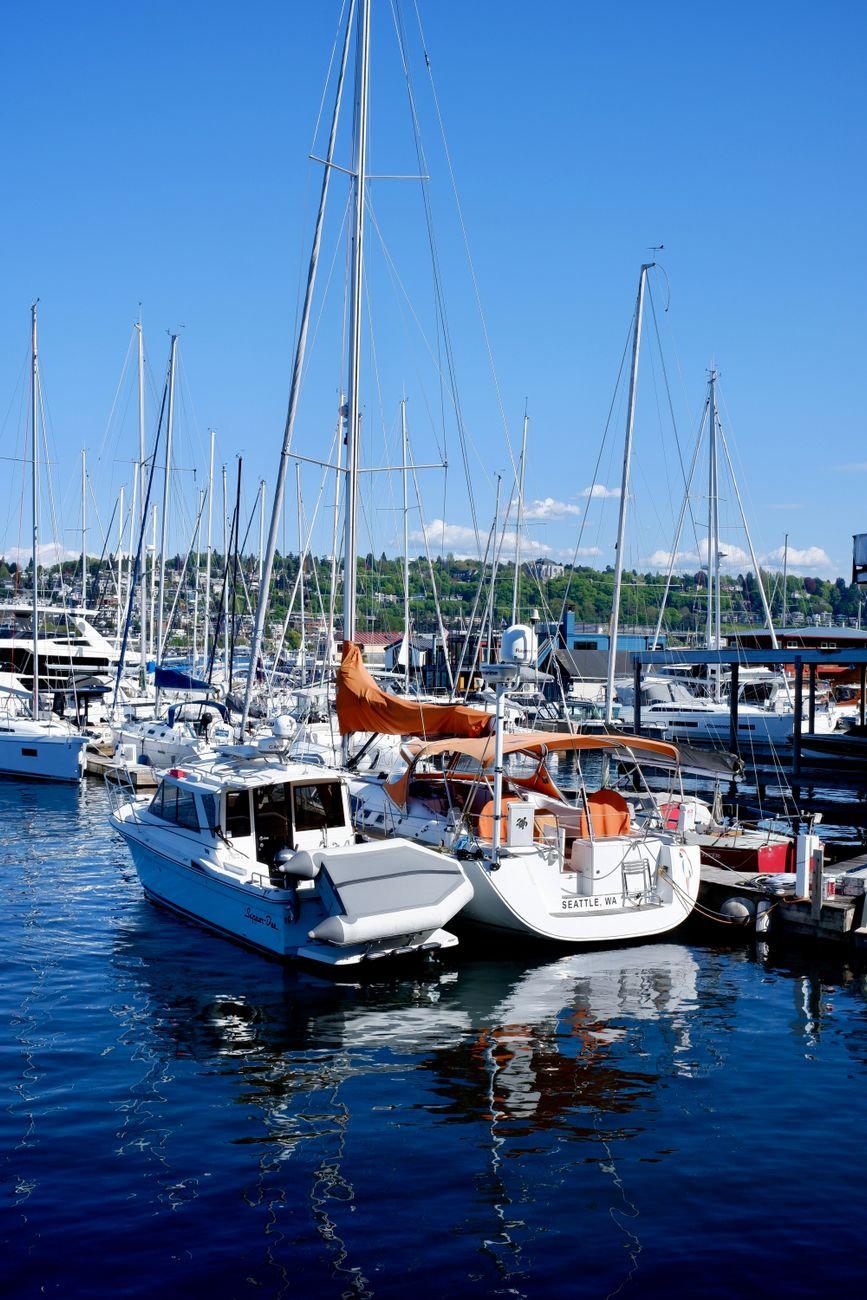
Stand at the Ballard Locks on a gray afternoon and watch a sailboat, a tugboat and a kayak wait together in the same concrete chamber while the water beneath them rises. Nobody is in a hurry, and nobody seems to mind the weather. That scene says more about the neighborhood than any list could, which is why this Ballard neighborhood guide starts at the water and works its way inland.
Ballard was once its own city, annexed by Seattle in 1907, and it still carries itself like a place with a separate opinion. The Scandinavian fishing families who built it left behind a street grid, a church-and-bakery habit, and a stubborn sense that work happens outdoors. The taprooms and apartment blocks came later. They have changed the skyline and the rent, and longtime residents will tell you so without much prompting. What they have not changed is the pull of the shoreline.
This Ballard neighborhood guide starts at the Locks
The Hiram M. Chittenden Locks lift boats between the saltwater of Puget Sound and the freshwater of the Lake Washington Ship Canal. It is working infrastructure, and it feels like it: gates, horns, deckhands tossing lines. Walk the grounds and you will see the gardens that surround the lock complex, tidy and a little formal against all that steel.
On the far side is the fish ladder, with underwater viewing windows. During the seasons when salmon are returning, you can stand behind the glass and watch them climb toward fresh water. In other months the windows are quieter, though the sea lions that sometimes loiter near the locks have their own opinions about the fish. Go on a weekday if you can. Weekends bring crowds, and the place rewards patience.
The Nordic Museum and the old Ballard
To understand why the neighborhood looks and tastes the way it does, spend time at the Nordic Museum on NW Market Street. It tells the story of Nordic immigration to the Pacific Northwest, and it puts the fishing and shipbuilding economy of old Ballard in context. A visit makes the rest of your walk legible. The names on the storefronts and the flags on certain porches stop being decoration.
Not far away, Bergen Place offers a small public square with a Scandinavian accent, handy for a bench and a coffee. Scandinavian bakeries still turn up in the neighborhood, and a cardamom bun or a slice of something layered and buttery is a fair way to spend a gray morning. The pastry case is as good a history lesson as the museum, only faster.
A Sunday on Ballard Avenue
The Ballard Sunday Farmers Market sets up along Ballard Ave, and it is the neighborhood at its most sociable. Shoppers carry cloth bags and let their dogs sniff the cobbles. Vendors sell produce, flowers and prepared food, and the brick buildings of the historic avenue frame everything in a way that new construction rarely manages. Arrive early, before the strollers thicken, and give yourself time to wander the side streets afterward.
The brewery corridor that gets most of the attention these days runs along Ballard Ave and NW Market Street. Small taprooms sit shoulder to shoulder, many of them with dog bowls out front and a regulars-only hush on weekday afternoons. The beer is good and the pours are unfussy. To build a larger tasting route across town, our list of the best breweries in Seattle puts Ballard in context, but here the pleasure is that you can park the car and walk between them.
Eat like a local, not a tourist
- Look for oysters when they are on offer. Washington shellfish deserves better than being an afterthought.
- Order coffee from whichever roaster has the shortest line and the least ornate menu board.
- Save room for a Scandinavian pastry. Skipping it would be a mistake.
Golden Gardens to close the day
Follow the waterfront north and you arrive at Golden Gardens Park, a long beach on Puget Sound with the Olympic Mountains stacked on the horizon. On clear evenings the sunset is the reason people come, and on cool ones they come anyway, wrapped in fleece, to sit near a fire pit and watch the ferries slide across the water. Locals have a phrase for the clear days: the mountain is out. From the right angle, Rainier does appear, a pale shape far to the southeast.
The park also has wetlands and trails behind the beach, a reminder that Ballard sits on actual shoreline and not a postcard version of it. Dogs, drift logs, paddleboarders in wetsuits: the crowd is mixed, and nobody is posing. The drizzle that pushes tourists indoors barely registers here. Most people just zip up.
How to spend a day
The easiest route runs in a loop. Take the morning at the Locks, then walk to the Nordic Museum for the context. Lunch can be a pastry or a bowl of something warm, followed by an afternoon on Ballard Ave poking into shops and taprooms at an unhurried pace. End at Golden Gardens for the light. With energy for a second neighborhood, our guide to things to do in Fremont is a short ride east and makes a natural pairing.
Getting around is simpler than the traffic reputation suggests. The neighborhood is flat enough for walking, and the best stretches are close together. Bring a layer, a decent pair of shoes, and a willingness to wait for a boat.
Here is the takeaway. Ballard is easy to flatten into a pub crawl, and plenty of visitors do. The neighborhood is better than that. It remains a working harbor town with a Nordic memory, a Sunday market, and a beach that closes the day properly. Come for the beer if you must, but stay for the water, because that is where Ballard still makes sense.