Things to Do in Capitol Hill Worth Exploring
A former Seattle Met food editor maps out the reservoir, the record stores, the cemetery, and everything else that makes Capitol Hill the city's most walkable neighborhood.
By seven on a weeknight, the paved loop around the reservoir at Cal Anderson Park fills with the same cast it always does: a runner logging his fourth circuit, two people pushing strollers side by side without breaking their conversation, a handful of teenagers doing tricks off the low wall near the shelterhouse, and somebody's off-leash dog making a break for the open lawn. Nobody looks up at Rainier even on the rare evening it's fully out, because nobody here needs a landmark to tell them where they are. If you're looking for things to do in Capitol Hill, the honest answer is that most of it happens within a fifteen-minute walk of exactly this spot: a reservoir, a bookstore, a strip of bars, a cemetery with a famous grave, and a hill steep enough that everyone on it has opinions about which streets to avoid on a bike.
This guide is organized the way a local would actually move through the neighborhood over a day or a weekend, starting at its literal and social center and working outward toward the quieter, greener north end. None of it requires a car. Most of it barely requires a plan, and the neighborhood rewards showing up without one more than it rewards a rigid itinerary.
Things to Do in Capitol Hill: Start at Cal Anderson Park
Cal Anderson is not a park you visit so much as a park you pass through, sit in, play in, and eventually end up back at no matter what else you had planned. The reservoir loop draws runners and dog walkers at all hours, the open lawn hosts pickup soccer and pop-up picnics, and the shelterhouse and its reflecting pool give the whole park a formal, almost civic feel that's unusual for a neighborhood green space. Basketball and bocce courts sit along the edges, and on a sunny weekend the grass fills with blankets, guitars, and the occasional drum circle within the first hour of decent weather. The park has also been the site of real gatherings and demonstrations over the years, including a period in 2020 when the surrounding blocks became a center of protest activity, and it carries that history quietly rather than as a plaque or a story anyone stops to tell you. Locals still bring it up carefully, the way you'd talk about something that happened on your own block.
The move here is simple: walk the loop once for orientation, then find a patch of lawn or a bench near the shelterhouse and stay a while. On weekday mornings, before the after-work crowd arrives, the reservoir path belongs almost entirely to people who live within a few blocks of it, and that's the version of the park worth catching if your schedule allows it. Evening softball games on the park's fields draw a loyal, unofficial crowd of spectators most visitors never think to stop for, and they're free entertainment on a summer night if you happen to walk past one.
Broadway: The Neighborhood's Main Street
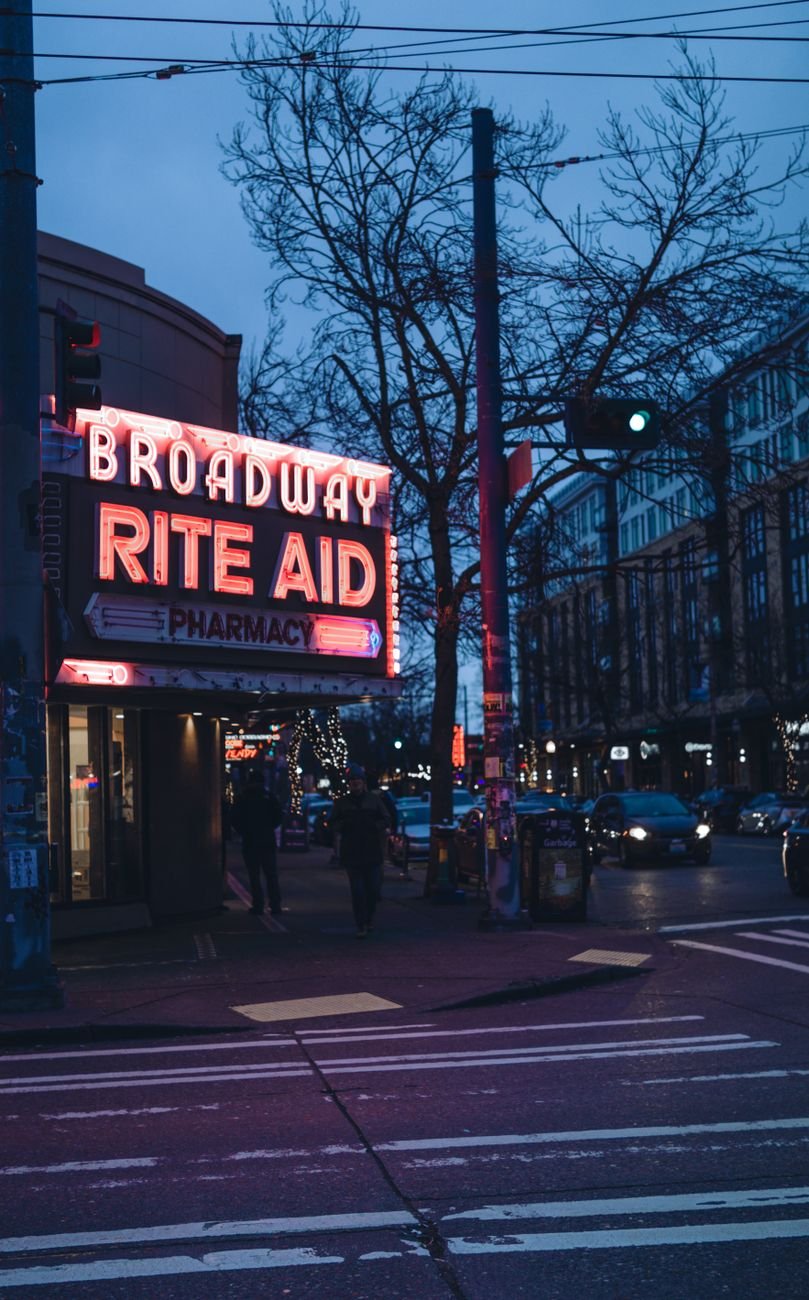
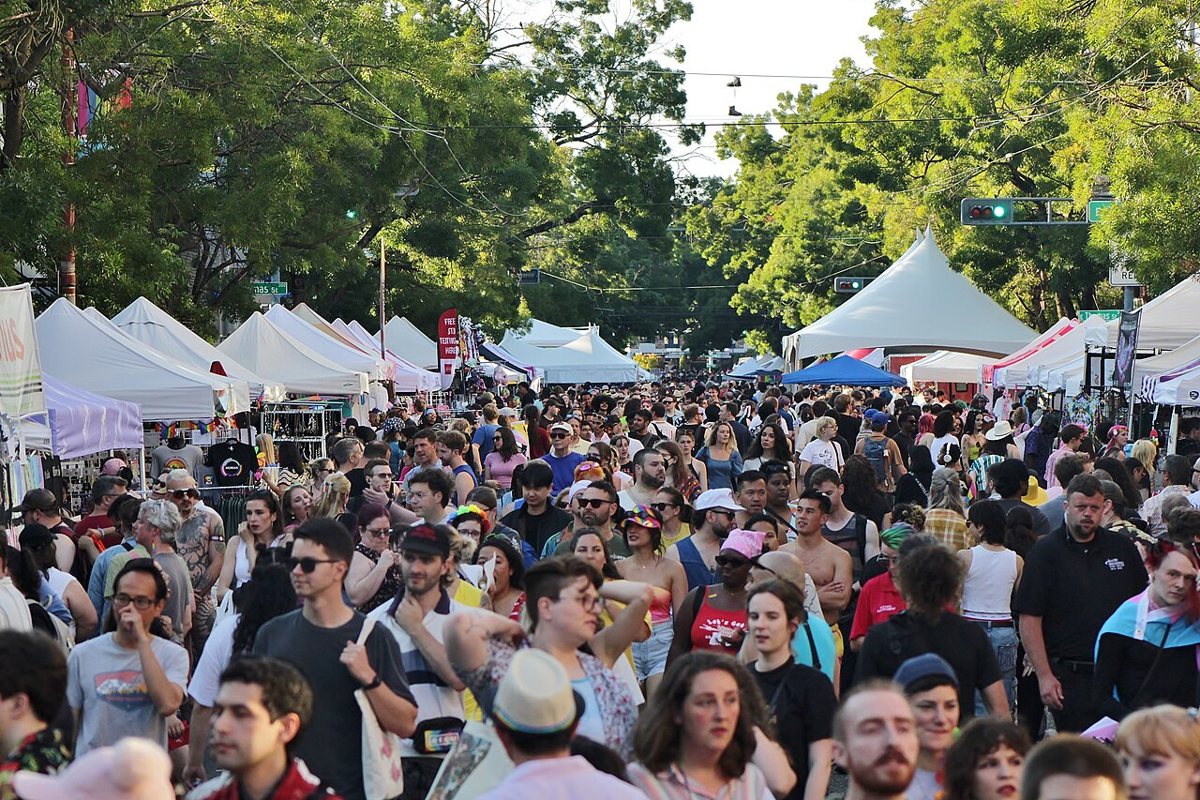
Broadway is Capitol Hill's commercial spine and its longest-running stage. It has been the heart of Seattle's LGBTQ+ community for decades, and that history is still visible in the storefronts, the flags, and the rainbow-painted crosswalks near the busiest intersections. The street mixes secondhand clothing shops, tattoo studios, small record stores, and a rotating cast of counter-service restaurants, and the best way to experience it is on foot with no destination in mind. Grab a proper Seattle espresso from a walk-up counter and just watch the sidewalk for twenty minutes; the neighborhood does most of the entertaining itself. The Capitol Hill farmers market sets up seasonally along here as well, drawing a crowd that skews as much toward longtime residents doing their weekly shopping as toward visitors browsing for the afternoon.
An insider tip locals actually use: the stretch of Broadway nearest the light rail station gets loud and crowded on weekend nights, so if you want the street's character without the noise, walk it in the late morning instead, when the shops are opening and the sidewalk still belongs to dog walkers and people on their way to brunch rather than a bar crawl. The side streets running east off Broadway toward 15th Avenue are worth a detour too, quieter and more residential, lined with the kind of Craftsman houses that made the hill a desirable address a century before tech money discovered it.

Pike/Pine: Where Capitol Hill Comes Alive After Dark
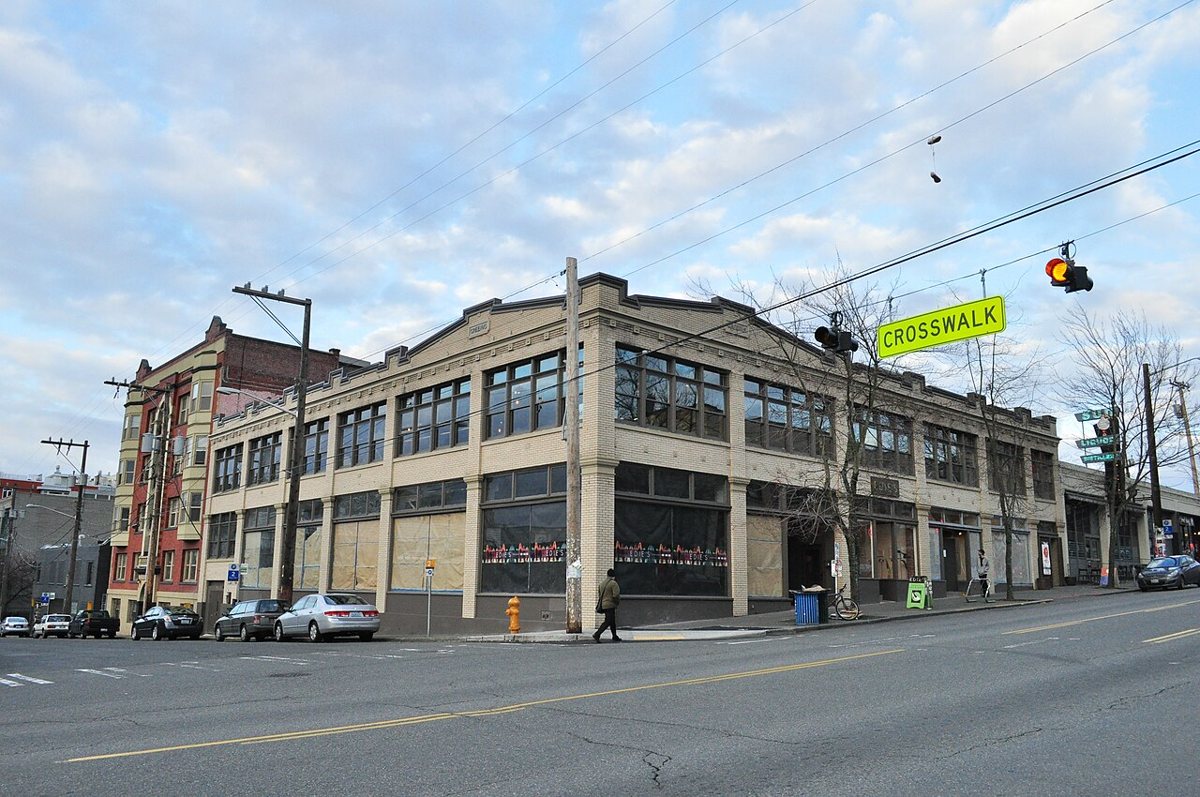
The Pike/Pine corridor is the reason Capitol Hill has the reputation it does for nightlife and live music. Former auto-row garages and warehouses along these two parallel streets have been converted, block by block, into bars, small venues, and dance floors, and the corridor still functions as the city's densest concentration of nightlife outside downtown. The range is what makes it work: on any given night you can find a quiet cocktail bar half a block from a packed dance club and a DIY music venue booking touring acts you've never heard of yet. Drag shows, comedy nights, and album release parties all rotate through the corridor's smaller rooms on a regular basis, and the LGBTQ+ nightlife scene that built the corridor's reputation is still very much its center of gravity, even as the mix of bars has broadened over the years.
It rewards wandering rather than planning a single stop, and the crowd shifts noticeably by night of the week, with weeknights pulling a more local, less transient crowd than weekends. Checking a venue's calendar the same week you're going beats trying to plan around it months out, since bookings change constantly and the best nights are often the ones nobody advertised widely. Locals treat a Pike/Pine night out as a crawl, not a reservation, moving between two or three spots rather than committing to one, and closing out the night with a proper cocktail somewhere quieter once the dance floors get loud.

Volunteer Park: Capitol Hill's Green Crown
At the north end of the neighborhood, the ground climbs and the streets get quieter until they open onto Volunteer Park, a formally landscaped green space with sweeping lawns, mature trees, and views back across the city and out toward the water on a clear day. It's the kind of park designed for slow use: long walks on curving paths, picnics under big trees, and afternoons that don't have a specific destination. Families spread out on the lawns near the reservoir at the park's edge, joggers use the perimeter paths, and on weekends the whole space fills with a mix of neighborhood regulars and people who've made the trip up the hill specifically for what the park holds inside it. The park anchors three of the neighborhood's best indoor stops within a few hundred feet of each other, which makes it easy to turn a single visit into a half-day plan without much walking between destinations.

Seattle Asian Art Museum
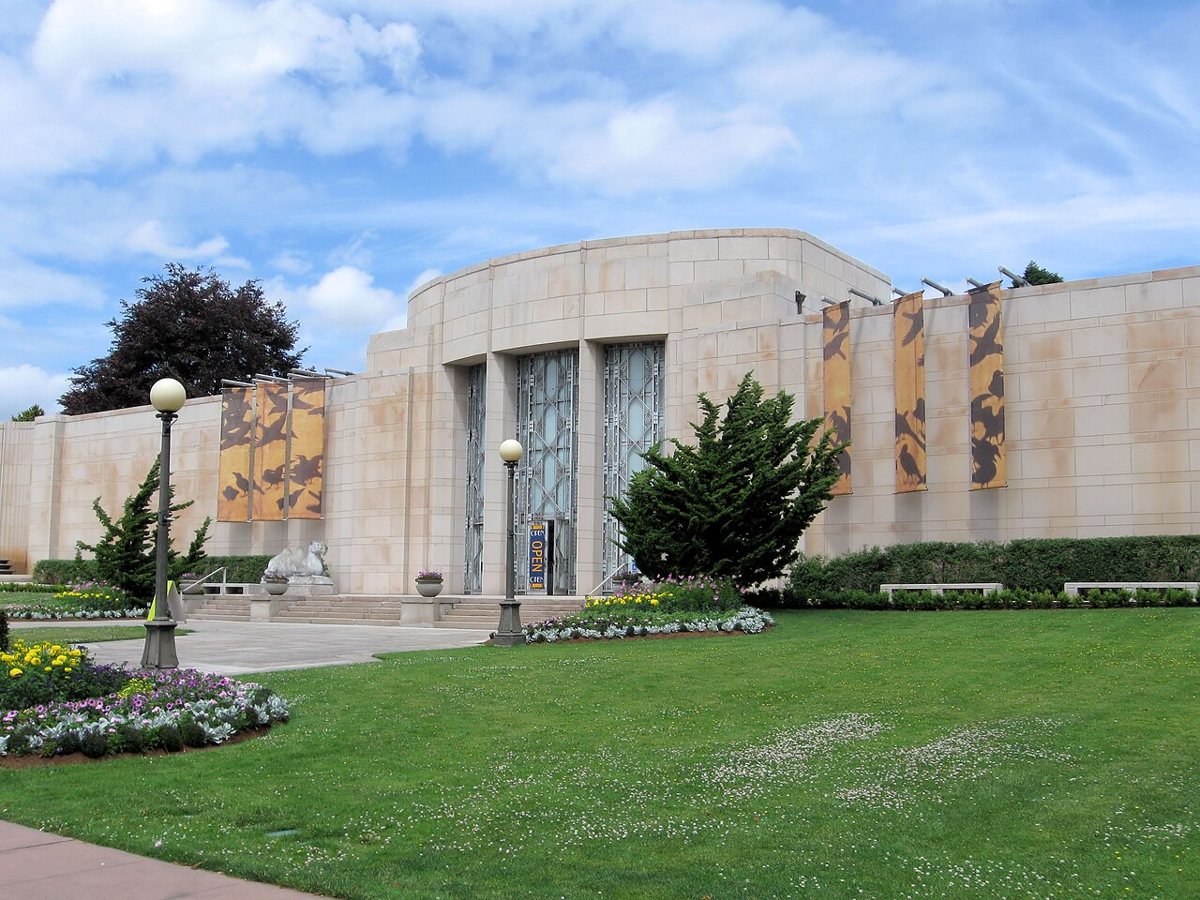
Tucked into the park in a restored Art Deco building, the Seattle Asian Art Museum holds one of the more focused, well-considered collections in the city, spanning centuries of art from across Asia in galleries sized for actual looking rather than crowd-management. It's an easy hour or an unhurried afternoon depending on how much time you give it, and the building itself, all clean lines and period detail, is worth slowing down for even between galleries. Rotating exhibitions bring in newer or more contemporary work alongside the permanent holdings, so it's worth checking what's currently on before you go. The insider move is to pair it with the park outside: walk the galleries, then take whatever you were thinking about back out onto the lawn and let it sit for a while.

Volunteer Park Conservatory
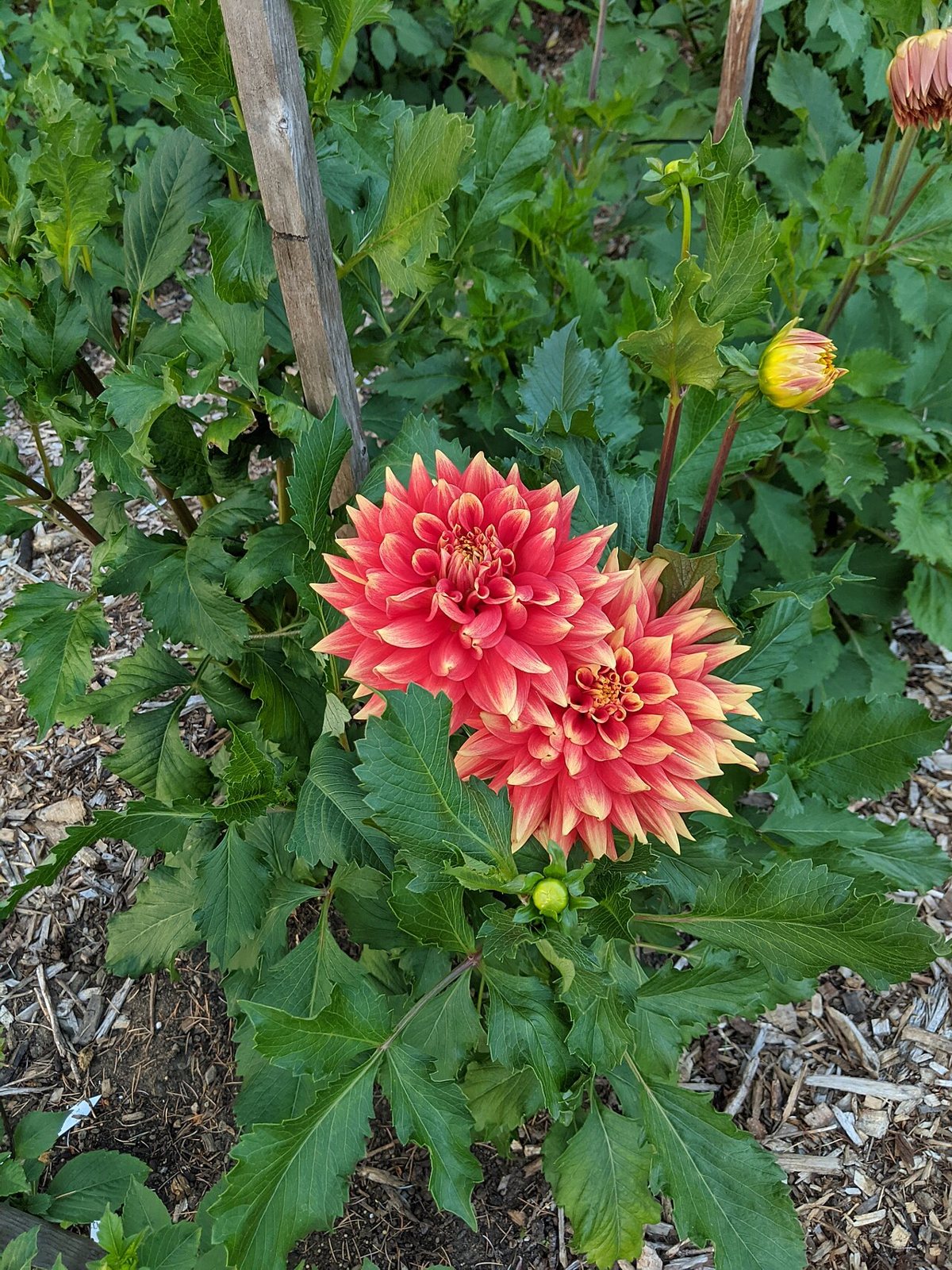
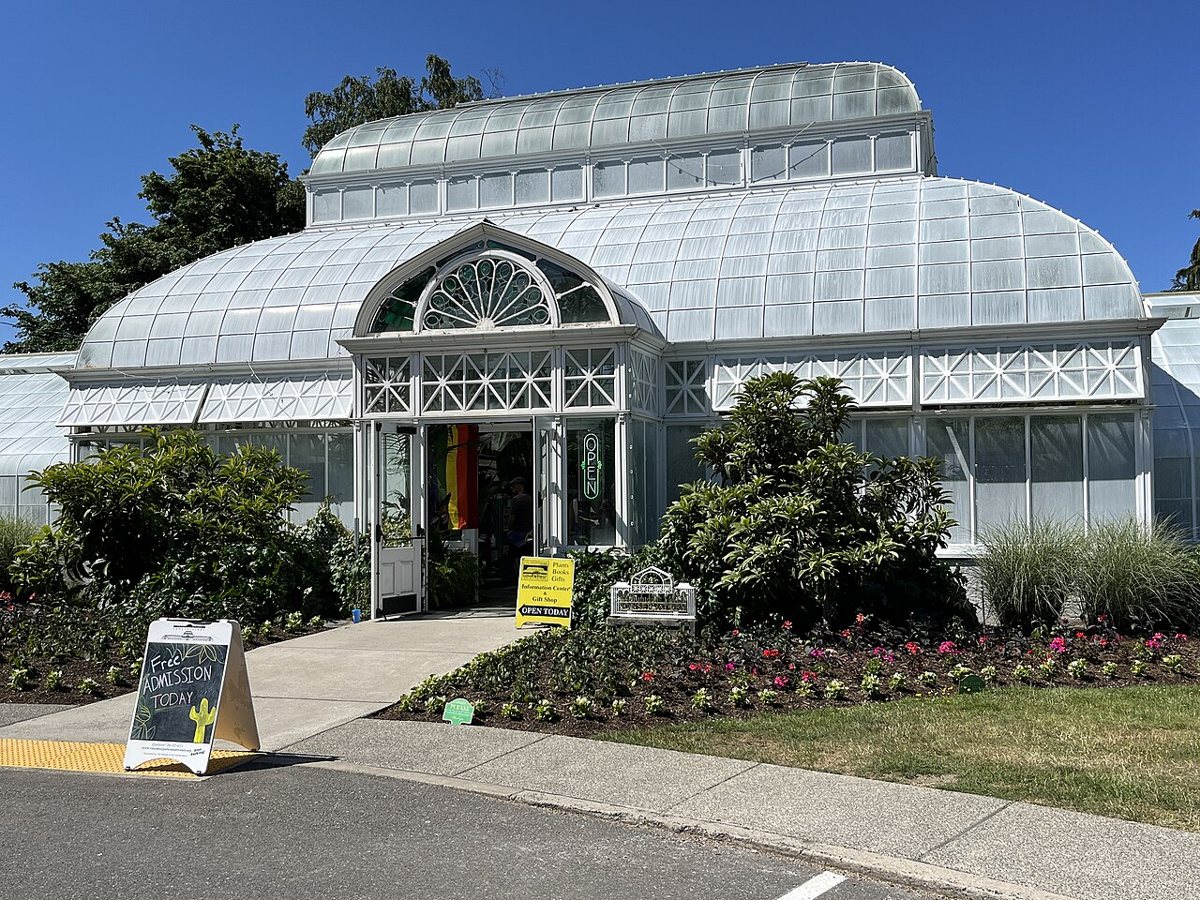
The glass conservatory near the park's center is a small, dense pocket all its own: palm fronds brushing the ceiling, a cactus house that feels like a different climate entirely, and a bromeliad and fern room heavy with humidity even on the grayest Seattle day. It's one of the few genuinely reliable rainy-day plans in the neighborhood, since the whole point of the building is being warm and green regardless of what's happening outside. The scale is intimate rather than sprawling, which means you can see the whole thing in under an hour, but the detail rewards a slow pass through each room rather than a quick loop through. Locals bring out-of-town guests here specifically because it photographs beautifully and never disappoints, rain or shine, and it's an easy stop to combine with the museum next door.

The Water Tower Observation Deck
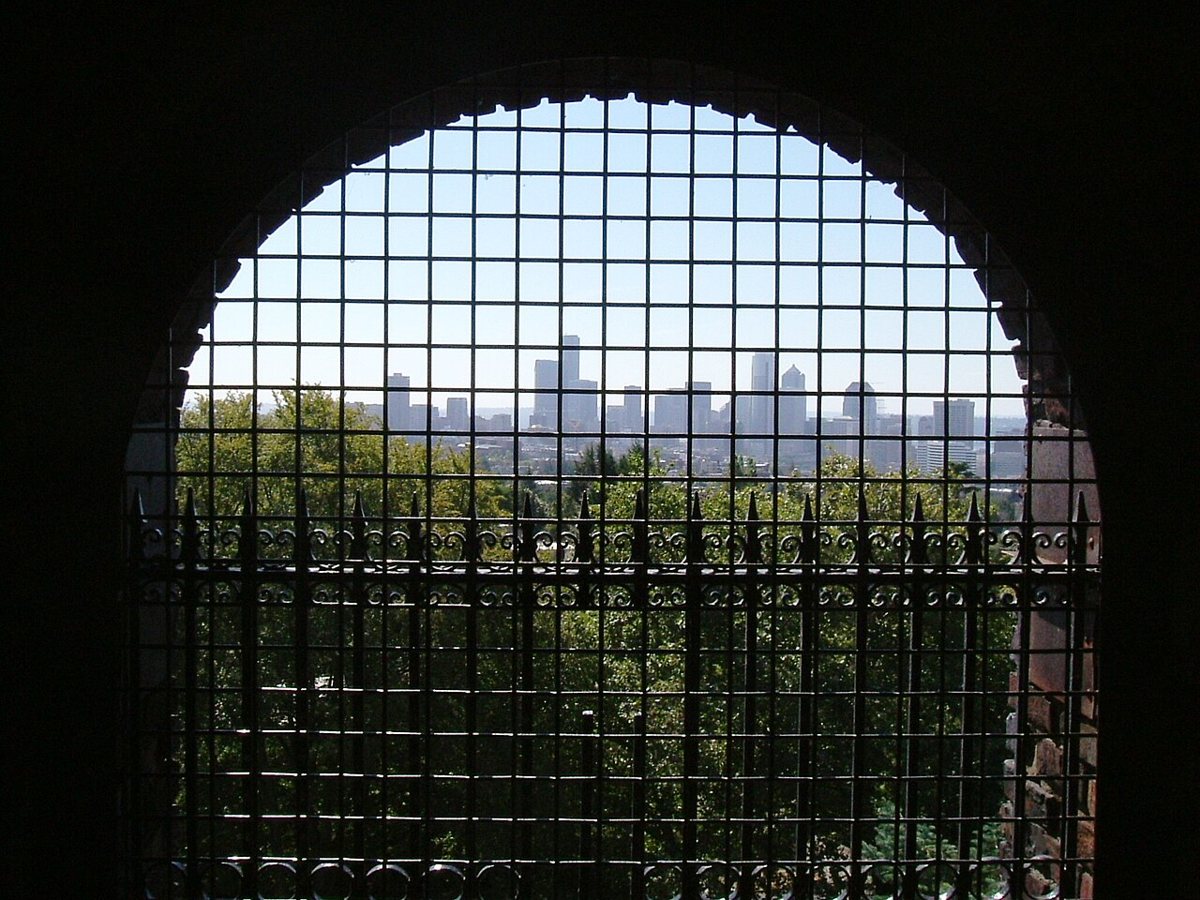
Climb the interior stairs of the old brick water tower near the park's high point and you land on an open-air observation deck with one of the better unobstructed views in the neighborhood, looking out over the park's tree canopy toward downtown and the water beyond. It's a short, unglamorous climb up a plain stairwell, which is exactly why it stays uncrowded even when the rest of the park is full. The deck is usually free and open during daylight hours, though it's worth checking current access before making the climb, since hours can shift with the season. Go right before sunset on a clear evening if you can time it; the light over the skyline from up there is the kind of view most visitors never think to look for, and it costs nothing but the walk up.

Lake View Cemetery: A Quiet, Unexpected Pilgrimage
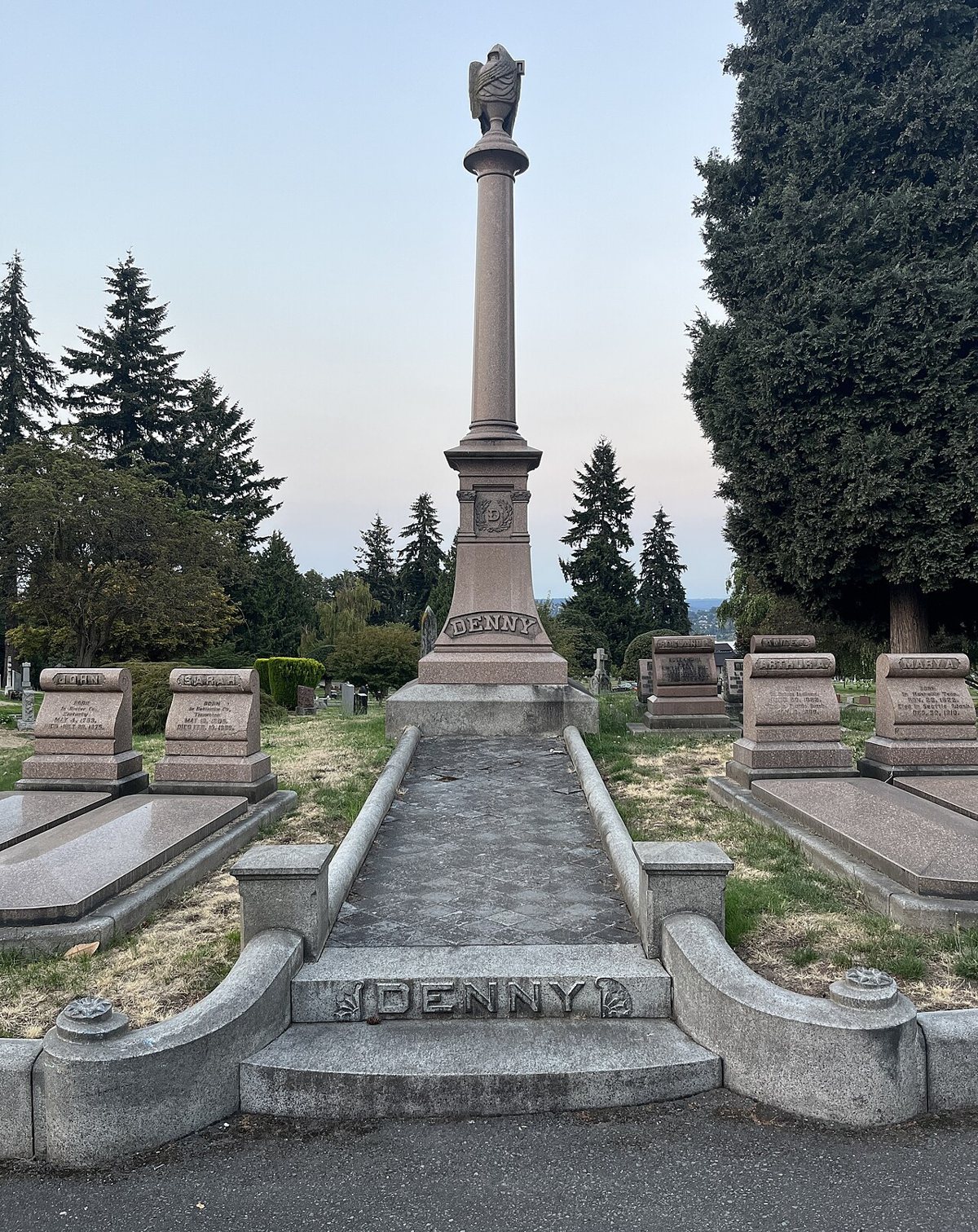
Just north of Volunteer Park, Lake View Cemetery is Seattle's oldest cemetery still in active use, and it draws a steady stream of visitors for one specific reason: it's the resting place of Bruce Lee, alongside his son Brandon Lee. The graves sit on a gentle slope with simple markers, usually surrounded by small tributes left by visitors, and finding them takes a short walk once you're inside the gates, often with a few other quiet visitors already there paying their own respects. Beyond the Lee family plot, the cemetery is worth a slower walk in its own right, with mature trees, old family monuments, and a genuine quiet that feels miles from Broadway despite being a ten-minute walk away, its rows tracing much of Seattle's early civic history in the names on the stones.
Treat it the way locals do: as a place for a contemplative half hour, not a photo-op stop. Come respectfully, keep voices down, and give the other visitors paying tribute the space they came for. Pairing the cemetery with Volunteer Park next door makes for a natural, unhurried afternoon that covers some of the most reflective ground the neighborhood has to offer.

Elliott Bay Book Company: The Neighborhood's Living Room
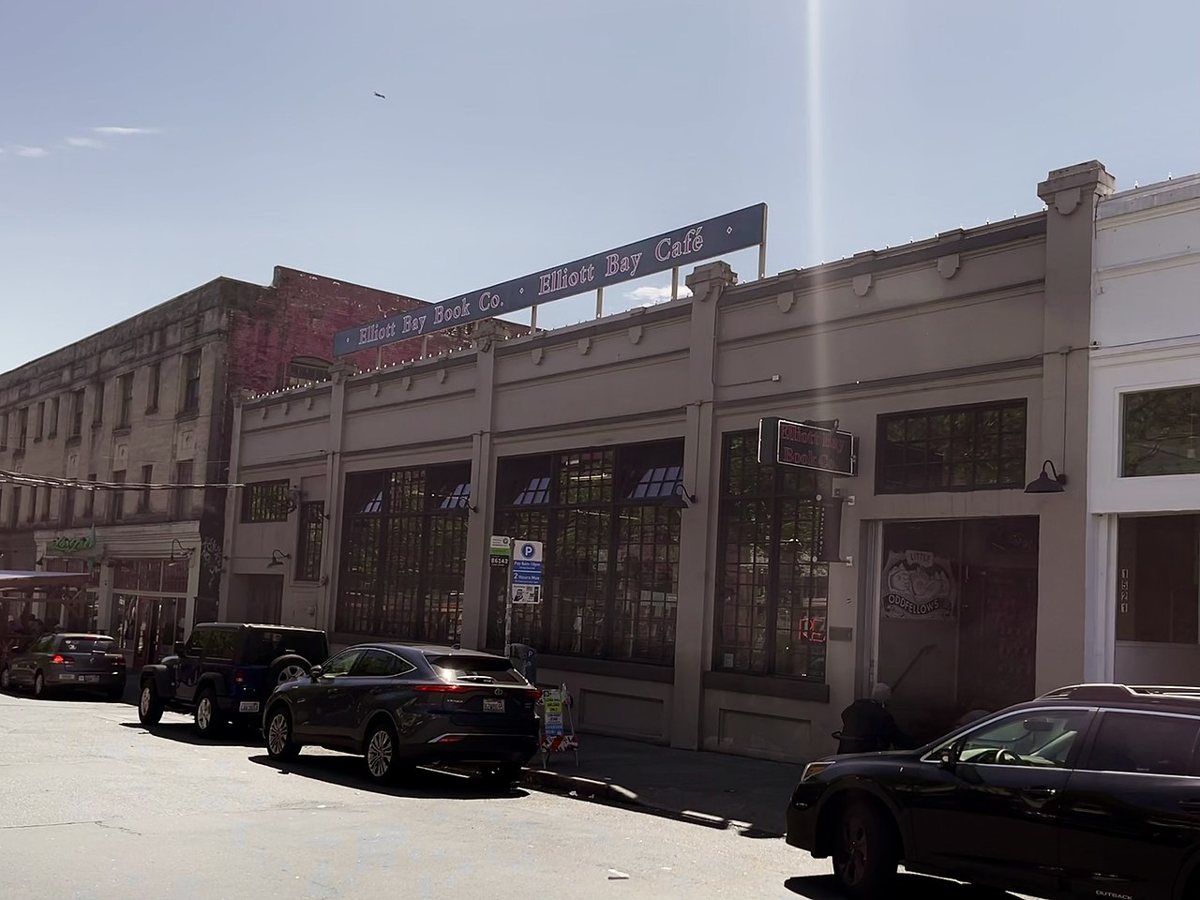
Elliott Bay Book Company moved to Capitol Hill from its original Pioneer Square home years ago and has been one of the neighborhood's essential gathering spots ever since. The store occupies a big, wood-floored space with the kind of deep, thoughtfully chosen inventory that rewards browsing without an agenda, and its basement café has become an informal meeting spot for writers, students, and neighborhood regulars working through a laptop and a cup of coffee for the better part of an afternoon. The events calendar draws touring authors and local writers alike on a regular basis, and checking what's scheduled the week you're visiting is worth the extra minute; a reading here can turn an ordinary afternoon into the best part of the trip.
Longtime Seattle readers will tell you the fiction and staff-pick tables are where the store's personality actually shows, more than any bestseller display up front. The handwritten staff recommendation cards tucked into the shelves are worth reading even if you don't buy the book they're describing, since they're some of the most honest, opinionated writing about books you'll find anywhere in the city.

Northwest African American Museum
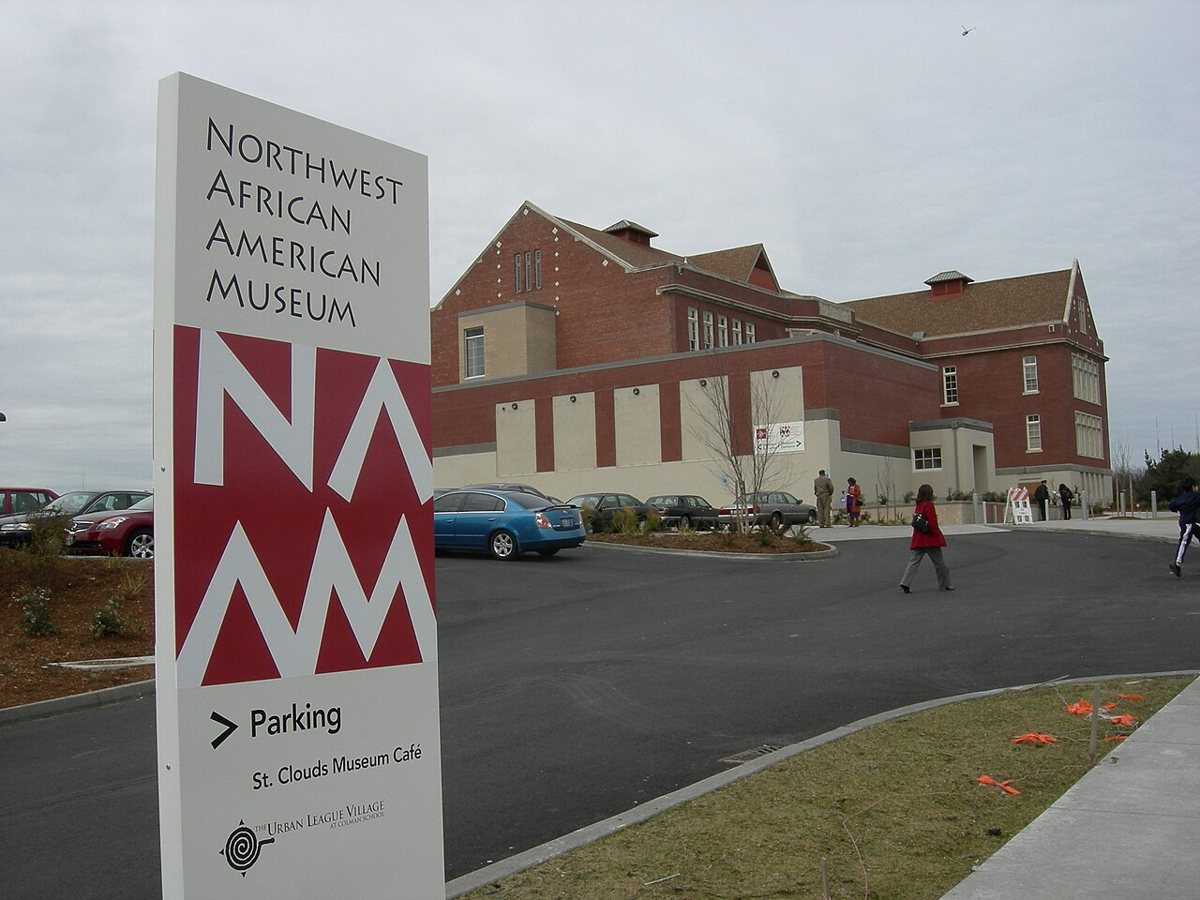
A short walk from the main stretch of Capitol Hill sits the Northwest African American Museum, housed in the historic Colman School building, which itself has a significant local history tied to a long community campaign to preserve it after the school closed. The museum's exhibits focus on the history and culture of Black communities in the Pacific Northwest specifically, a regional focus that sets it apart from larger, more generalized institutions and makes it genuinely additive to a Seattle visit rather than a repeat of something you could see elsewhere. It's compact enough to see thoroughly in an hour or two, and rotating exhibitions mean a return visit rarely covers the same ground twice.
Pair it with the walk over from Capitol Hill's main corridor and treat it as a deliberate stop rather than an afterthought; it deserves the dedicated time, and the building's own preservation story is as worth knowing as anything inside its galleries.

Matching the Neighborhood to Your Time and Mood
If you have three hours
Walk Broadway, cut through Cal Anderson Park, and end at Elliott Bay Book Company. It's a compact loop that hits the neighborhood's commercial energy, its green center, and its intellectual heart without requiring a car or a long detour, and it fits comfortably into a layover afternoon or a break between meetings.
If you have a full day
Start at Cal Anderson in the morning, walk Broadway toward lunch, then head north to Volunteer Park for the museum, conservatory, and water tower before finishing at Lake View Cemetery as the light gets low. Save Pike/Pine for after dark, since that's when it actually turns on, and plan on a full mile or two of walking across the day if you cover all of it on foot.
If you're building a night out
Skip the daytime stops entirely and treat Pike/Pine as the whole itinerary. Start with dinner somewhere along the corridor, then let the night unfold bar to bar or venue to venue rather than locking in a single spot ahead of time, and budget for a later dinner reservation than you'd make anywhere else in the city, since this neighborhood runs later than most.
Getting There, Timing It Right, and What's Actually Free
Capitol Hill is about as transit-friendly a neighborhood as the city has, which matters given the hill's genuine steepness in places. The Capitol Hill light rail station sits right at Broadway and drops you within walking distance of nearly everything in this guide, making it the easiest way in and out for anyone not staying in the neighborhood itself, and it's a far less stressful option than trying to find parking on a Friday night.
- The Capitol Hill light rail station puts you at the corner of Broadway and Pine, a five-minute walk from Cal Anderson Park and roughly fifteen from Volunteer Park.
- Weekday mornings are the quietest time for the parks and the museums; weekend afternoons bring the biggest crowds to Broadway and Volunteer Park alike.
- Cal Anderson Park, Volunteer Park, the Water Tower observation deck, and Lake View Cemetery are usually free to visit, though it's worth checking current hours before you go, since access can shift seasonally.
- The Seattle Asian Art Museum, the Volunteer Park Conservatory, and the Northwest African American Museum typically charge modest admission; check current pricing and hours directly before visiting.
- The hill itself is real: expect a steady climb from Broadway up toward Volunteer Park, and dress for it if you're walking the whole route in one go, especially with any kind of bag or camera gear.
- Comfortable, broken-in shoes matter more here than almost anywhere else in the city; the sidewalks are uneven in places and the grade doesn't let up until you're well past the park.
What Capitol Hill Actually Is
People who've only heard about Capitol Hill secondhand tend to picture one thing: the bars, the nightlife, maybe a rainbow crosswalk in a photo somewhere. That picture misses how much of the neighborhood's identity was built by communities who found room here when other parts of the city offered less of it, and how much of that history is still being renegotiated as rents climb and long-term residents get priced further out toward the edges of the city or beyond it entirely. That tension is real, and it's not something a guide like this should paper over with a tidy conclusion or pretend has been settled by a new coffee shop or condo building.
What's still true is that Capitol Hill remains one of the only places in Seattle where a reservoir, a world-class bookstore, a serious art museum, and a genuinely good night out all sit within the same easy walk. The neighborhood is worth engaging with honestly, history and all, rather than as a checklist of stops to photograph and leave. Spend a day here on foot and you'll understand why the people who live on this hill fight so hard to keep it what it is.